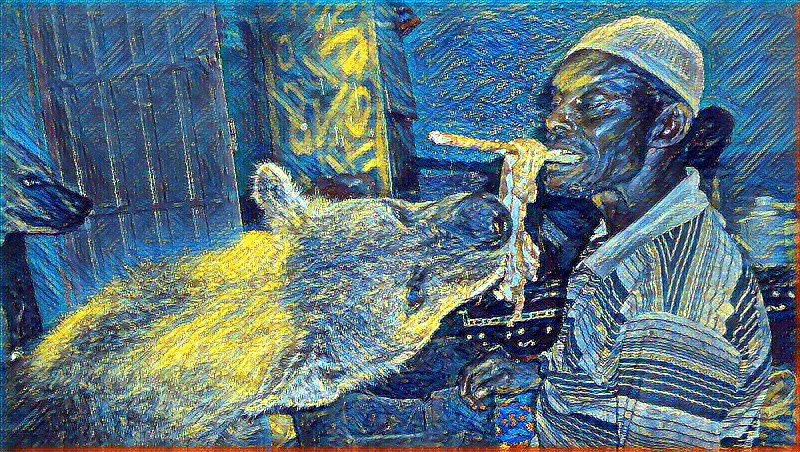
In Ethiopia, spotted hyenas are proving to be vital ecological assets, cleaning up urban waste and offering potential solutions to public health and climate challenges. This unique relationship highlights a complex, often misunderstood, coexistence between humans and wild carnivores in rapidly developing cities.
Hyenas as Urban Waste Managers
Wildlife ecology expert Dr. Gidey Yirga has studied urban hyenas in Mekelle, the capital of the Tigray region, for over 15 years. The research reveals that these animals play a significant role in municipal waste management.
- Waste Processing: Urban scavengers, including hyenas, vultures, and stray dogs, process nearly 5,000 metric tons of organic waste annually in Mekelle.
- Economic Benefit: This scavenging service reportedly saves the city council an estimated $100,000 in waste disposal costs.
- Environmental Impact: Their activities help cut carbon emissions from decomposing organic waste and recycle nutrients that would otherwise rot in city streets.
- Public Health: According to Yirga’s research, the hyenas also help prevent the spread of deadly diseases such as anthrax and bovine tuberculosis.
Residents surveyed indicated that 72% of households viewed these scavengers as beneficial, describing the interaction as a "mutualistic interaction."
The Ancient Tradition of Harar
In the ancient city of Harar, the human-hyena relationship dates back at least 500 years. This tradition is maintained by individuals known as "hyena men," such as Abbas Yusuf.
- Feeding Ritual: Abbas continues the practice of feeding the hyenas nightly, a tradition passed down from his father, who began feeding them in the 1950s to keep them away from goats.
- Cultural Significance: In Harar, the hyenas are viewed not only as ecological cleaners but also spiritually, believed by some to consume malevolent spirits (jinn).
- Historical Context: The city's 16th-century walls feature openings, locally called "waraba nudul" (hyena holes), originally established to manage the animals.
Anthropologist Marcus Baynes-Rock noted that the relationship evolved from simple defense into a complex, mutually beneficial habituation, where the hyenas learned to recognize the feeders.
Global Context and Conservation Challenges
Globally, the spotted hyena faces threats due to habitat loss, leading to increased conflict with livestock owners. The IUCN's Hyena Specialist Group notes that the negative reputation of the species poses a direct threat to its survival.
- Perception Gap: Baynes-Rock points out that human perception varies widely; while respected in Mekelle, they are sometimes viewed as "nuisance animals" elsewhere.
- Global Analogy: He compares this to other urban scavengers worldwide (like raccoons or crows) whose crucial roles are often overlooked due to negative public perception.
- Future Outlook: Experts advocate for showcasing the ecological value of urban scavengers through media and urban planning to ensure their continued safe coexistence.
Despite the benefits, the relationship remains fragile, threatened by urban sprawl and the potential for excessive habituation to humans, which could increase conflict.