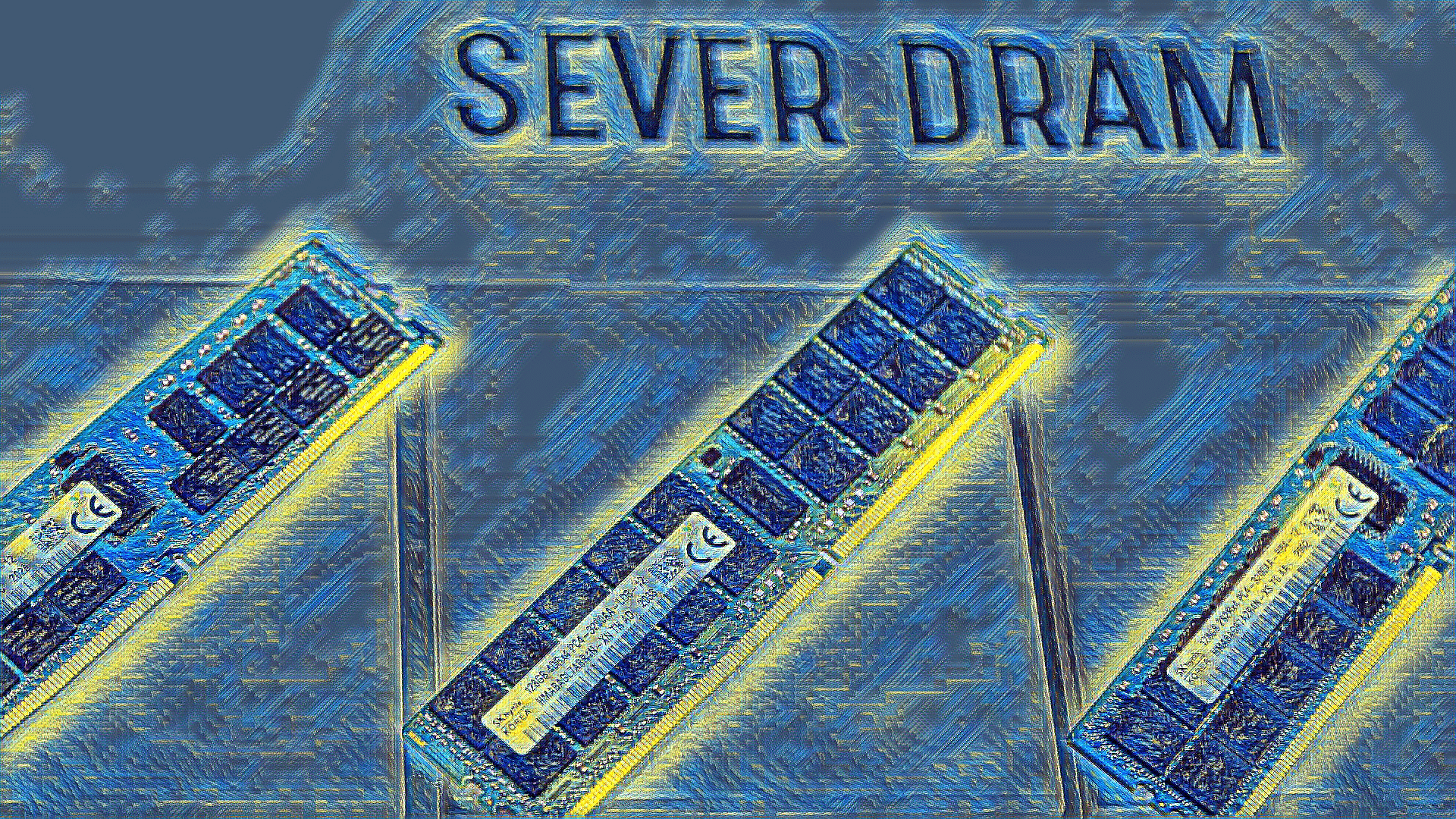
DRAM ETF Frenzy: What Drives Memory Chip Investment?
Retail investors are rapidly increasing investments in DRAM-focused ETFs, signaling strong confidence in the memory semiconductor sector's role in the AI boom. This buying spree is driven by high demand from hyperscalers building out AI infrastructure, which is boosting pricing power for memory manufacturers. The ETF's holdings are heavily concentrated in Samsung, SK Hynix, and Micron. Furthermore, the adoption of 'agentic AI' is creating a structural shift in demand, favoring CPUs for workflow orchestration alongside GPU compute, according to industry analysis.
Ad slot
Retail investors are heavily pouring into DRAM-focused ETFs, signaling strong confidence in the memory sector's role in the AI boom. This surge in buying activity is outpacing similar, popular ETFs, highlighting the critical role of memory infrastructure in modern computing demands.
Record Retail Inflows into Memory ETFs
According to Vanda Research, retail purchases into DRAM ETFs surpassed $200 million daily within a four-week period. This pace notably exceeded the dollar-volume activity seen in comparable retail-favored ETFs, such as the Tesla-leveraged TSLL and the Bitcoin-based BITO.
Vanda researchers noted that the speed and magnitude of these flows suggest investors are using the ETF as a vehicle to express bullish sentiment on both the memory sector and broader AI infrastructure.
The research indicated no immediate signs of a slowdown in this buying frenzy.
The Role of Memory in AI Infrastructure
Memory chips have become a crucial bottleneck in the current buildout of artificial intelligence infrastructure. Hyperscale cloud providers are reportedly concerned about potential shortages and rising input costs as they scale up capacity for demanding AI workloads.
Ad slot
Key Memory Types: The most demanded memory types for AI processing include DRAM and NAND flash memories.
Market Drivers: The soaring demand is enhancing pricing power for memory manufacturers, with multiple suppliers projecting profit margins exceeding 70% by 2026.
ETF Holdings and Market Concentration
The $6-billion DRAM ETF is heavily concentrated in a few major players, which together account for a significant portion of the industry's revenue.
The three largest holdings—Samsung Electronics (25%), SK Hynix (24%), and Micron Technology (24%)—collectively represent 95% of all DRAM revenues and 67% of all NAND revenues, according to Omdia research.
Other chipmakers within the ETF, including Kioxia Holdings, SanDisk Corp, Western Digital, and Seagate Technology, each hold approximately 5% of the ETF.
Architectural Shift: CPUs vs. GPUs
The increasing commercial adoption of "agentic AI"—software capable of autonomous decision-making and workflow adjustments—is driving heightened demand for Central Processing Units (CPUs).
The Shift: Industry experts suggest this preference for CPUs over Graphics Processing Units (GPUs) stems from a fundamental change in system architecture favoring newer AI models.
Orchestration Demand: Daniel Nenni noted that "Agentic AI workloads are… shifting performance bottlenecks from GPU-centric inference to CPU-heavy orchestration and workflow management." This transforms inference into a distributed, multi-step process requiring substantial CPU power.
Analyst Forecast: Morgan Stanley analyst Shawn Kim projected that the CPU total addressable market could increase by 25% by 2030, describing future AI systems as distributed, requiring GPU racks for compute, fast networking, and dedicated CPU racks for orchestration and tool execution.