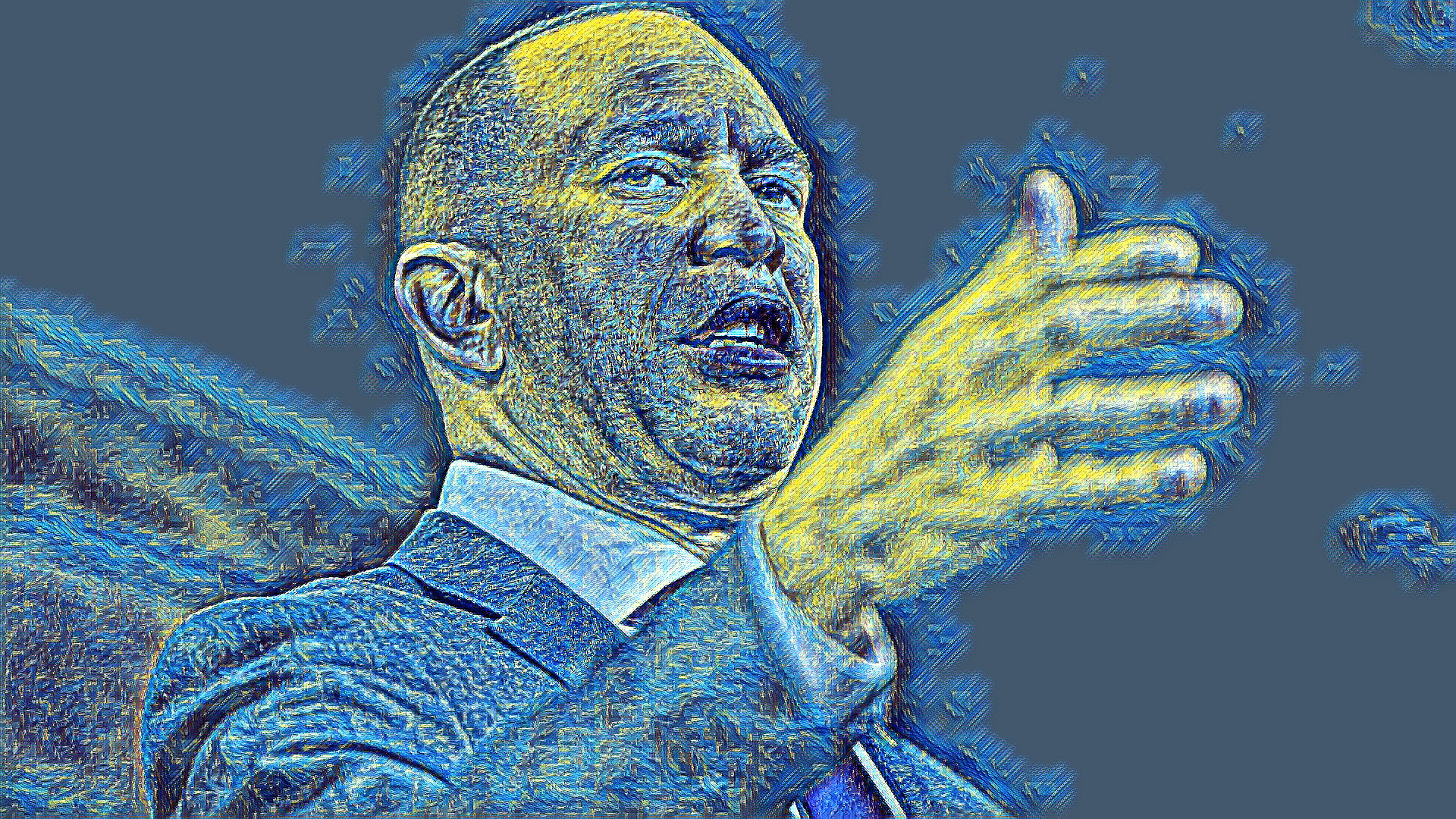
Following a Supreme Court ruling that weakened the Voting Rights Act, Congressional Democrats vowed to mount a strong political and legislative resistance. The decision, which struck down a majority-Black district in Louisiana, has ignited a partisan battle over voting rights protections across the nation.
The Supreme Court Ruling and Its Impact
The Supreme Court issued a 6-3 decision that significantly weakens a key provision of the Voting Rights Act of 1965, a landmark civil rights law prohibiting voting discrimination. Specifically, the ruling struck down a majority-Black district in Louisiana, raising concerns that other majority-Black districts nationwide could also be vulnerable.
- Key Impact: Limits the consideration of race in drawing congressional maps.
- Concern: Potential elimination of other majority-Black districts.
Democratic Response: Pledging Resistance
Democrats, including House Minority Leader Hakeem Jeffries, characterized the ruling as an attempt to undermine the ability of communities of color to elect their preferred candidates. They pledged to fight the decision using the limited power available to the minority in both chambers.
- Calls for Legislation: Democrats are pushing for the immediate passage of the John R. Lewis Voting Rights Advancement Act, designed to modernize the existing law and strengthen protections against discriminatory voting practices.
- Reform Efforts: Calls for Supreme Court reform, including term limits for justices, were also raised.
- Senate Task Force: Senate Democrats launched a task force, including former Attorney General Eric Holder and election lawyer Marc Elias, to examine election threats and develop mitigation strategies.
Republican Reaction: Defending Electoral Fairness
Republicans praised the Supreme Court's decision, framing it as a restoration of constitutional fairness. National Republican Congressional Committee Chair Rep. Richard Hudson stated that the ruling ensures elections are decided by voters, not through unconstitutional mandates.
- Stated Goal: To restore fairness and strengthen confidence in elections by ensuring equal treatment under the law.
- Political Outlook: The decision is expected to fuel further redistricting efforts ahead of the November midterm elections, potentially shifting the balance of power in the House.
Broader Context: Concerns Over Election Integrity
Democrats have repeatedly voiced alarms that Republican allies are attempting to alter the outcome of the upcoming elections. These concerns cite actions such as:
- President Trump calling for the "nationalization" of elections.
- Executive orders restricting mail voting.
- Proposed legislation mandating voter identification and barring noncitizens from voting, measures critics argue could disenfranchise millions.