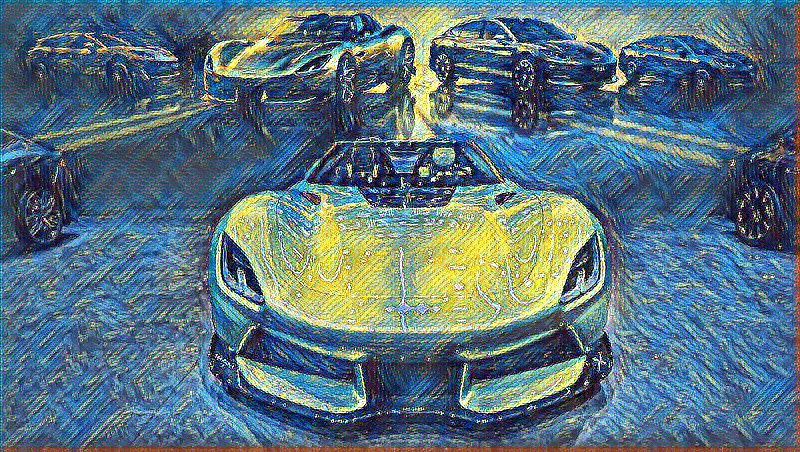
Chinese automakers showcased advanced electric and hybrid vehicles at Beijing's massive auto show, signaling an aggressive ambition to lead the global automotive industry in the 21st century. The display highlights technological sophistication and cost competitiveness, positioning Chinese EVs as a major alternative to traditional internal combustion engine (ICE) vehicles.
Technological Showcase and Market Ambition
The vehicles displayed in Beijing featured advanced amenities, suggesting a high level of consumer expectation. These features included:
- Luxury amenities, such as mechanical foot massages and rotating seats.
- Entertainment features, including in-car karaoke with professional speakers.
- Innovative lighting systems, such as headlights capable of projecting movies onto walls.
- Ubiquitous intelligent driving features, even in more affordable models.
The Global Context: Oil Prices and Competition
Chinese manufacturers are capitalizing on global economic shifts, particularly the rising costs of oil and gas, while offering predominantly electric or hybrid models. This contrasts sharply with the regulatory environment in some Western nations.
- US Market Hurdles: The US has reportedly rolled back support for EVs and implemented barriers against Chinese cars, citing national security concerns. Tariffs and software bans complicate market access.
- European Growth: Despite global tensions, Chinese brands are gaining significant traction in Europe. For instance, BYD saw new-car registrations increase by nearly 170% in the first quarter in EU countries.
Export Strategy and Global Expansion
While China boasts the world's largest EV market (with over half of new sales being electric or hybrid), domestic competition has led to intense price wars. Consequently, outward expansion is a key focus for major players.
- Export Surge: China's EV exports reportedly surged by 78% year-on-year in the first quarter, indicating a strong push for international markets.
- Industry View: Executives from companies like BYD emphasized that the shift to electric vehicles is irreversible, suggesting consumers will not revert to gasoline cars.
- Geely's Outlook: Geely's senior vice president stated that while they are open to discussion, their immediate plan is not to sell cars to end customers in the US market, preferring to share their electrification practices with international partners.
Tech Ecosystems and Soft Power
The narrative presented by Chinese firms is one of technological supremacy, moving beyond mere fuel efficiency. The sector is becoming emblematic of China's rise as a 21st-century tech powerhouse.
- Domestic Strength: Chinese automakers benefit from deep domestic supply chains and highly automated factories.
- Beyond Cars: The competition extends beyond vehicles; tech giants like Baidu, Huawei, and Pony.Ai are building comprehensive tech ecosystems, mirroring the autonomous vehicle ambitions of global leaders like Tesla and Waymo.
- Strategic Goal: Global success in the EV sector offers Beijing a potential new source of soft power, supporting its broader national strategy to reduce reliance on fossil fuels and electrify its economy.