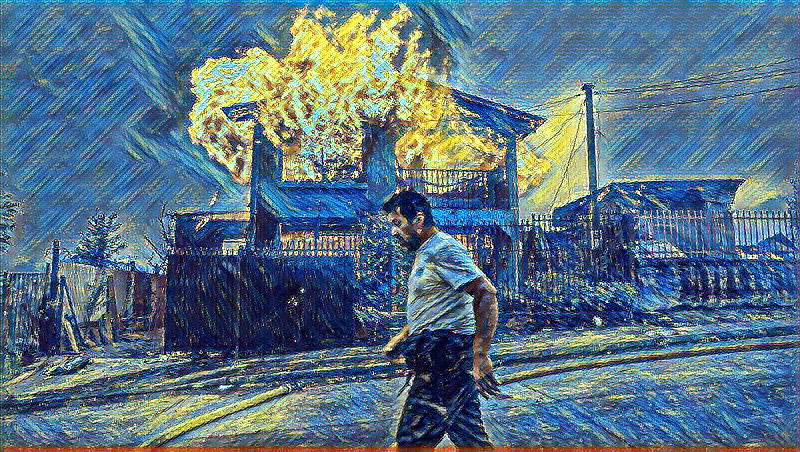
Devastating wildfires swept through central Chile's Concepción province on January 16, 2026, destroying over 1,750 homes and leaving at least 21 people dead. The rapid spread and intensity of the blazes have prompted experts to warn that the world is entering a new, more dangerous era of wildfires.
Scale and Impact of the Concepción Fires
- Destruction: Over 1,750 homes were destroyed in a matter of hours.
- Casualties: At least 21 people died, and more than 300 were injured.
- Area Burned: The fires consumed more than 74,000 acres over two days.
- Government Response: Chilean authorities declared a "state of catastrophe" and requested international aid.
Survivors described the speed of the destruction as terrifying, with flames consuming entire neighborhoods in minutes. The fire spread rapidly, devouring an average of nearly 25 acres every minute at times.
Contributing Factors: Climate and Development
The inferno was fueled by several compounding factors, according to experts:
- Extreme Weather: High temperatures, exceeding 100 degrees Fahrenheit, and abnormally dry conditions were primary drivers.
- Urban Expansion: Unchecked urban growth has pushed residential areas into proximity with fire-prone woodlands.
- Industrial Forestry: Large-scale industrial plantations, particularly non-native pines and eucalyptus, have created highly flammable landscapes.
Experts note that the confluence of these elements makes modern wildfires significantly harder to contain.
Challenges in Firefighting Efforts
First responders faced immense difficulties due to the fire's intensity and spread patterns. Analysis of remote sensing data revealed several operational hurdles:
- Visibility: Poor visibility, especially after dark, severely hampered aerial firefighting operations, preventing waterbombers from reaching densely populated areas like Lirquén.
- Fire Intensity: Forest engineers noted that modern fires are burning hotter and higher than in the past, exceeding the operational safety limits for aircraft.
- Scope: The fires surged in footprint dramatically, overwhelming initial containment efforts.
Systemic Risks: Planning and Legislation
Experts point to systemic issues in land management and urban planning as critical vulnerabilities:
- Wildland-Urban Interface (WUI): Many affected suburbs are located in the WUI—the transition zone between dense development and wildlands—where building codes may not adequately regulate spacing or material flammability.
- Fuel Load: The proliferation of flammable industrial plantations, which now cover a significant portion of the coastal Biobío region, contributes to the hazard.
- Preventative Measures: There were calls for authorities to loosen restrictions on controlled burns, arguing that such preventive measures should occur year-round, not just in winter.
Global Implications and Solutions
This event is viewed as symptomatic of a global trend. As the climate crisis accelerates and urbanization increases, wildfires worldwide are expected to become larger and more intense. To mitigate future risks, experts suggest legislative action:
- Stricter Codes: Implementing and enforcing stricter building codes regarding fire buffers and materials.
- Controlled Burns: Adopting comprehensive, year-round plans for controlled burns, as seen in successful legislation in Brazil.
- Coordination: Establishing better coordination between government levels, industry, and emergency services.