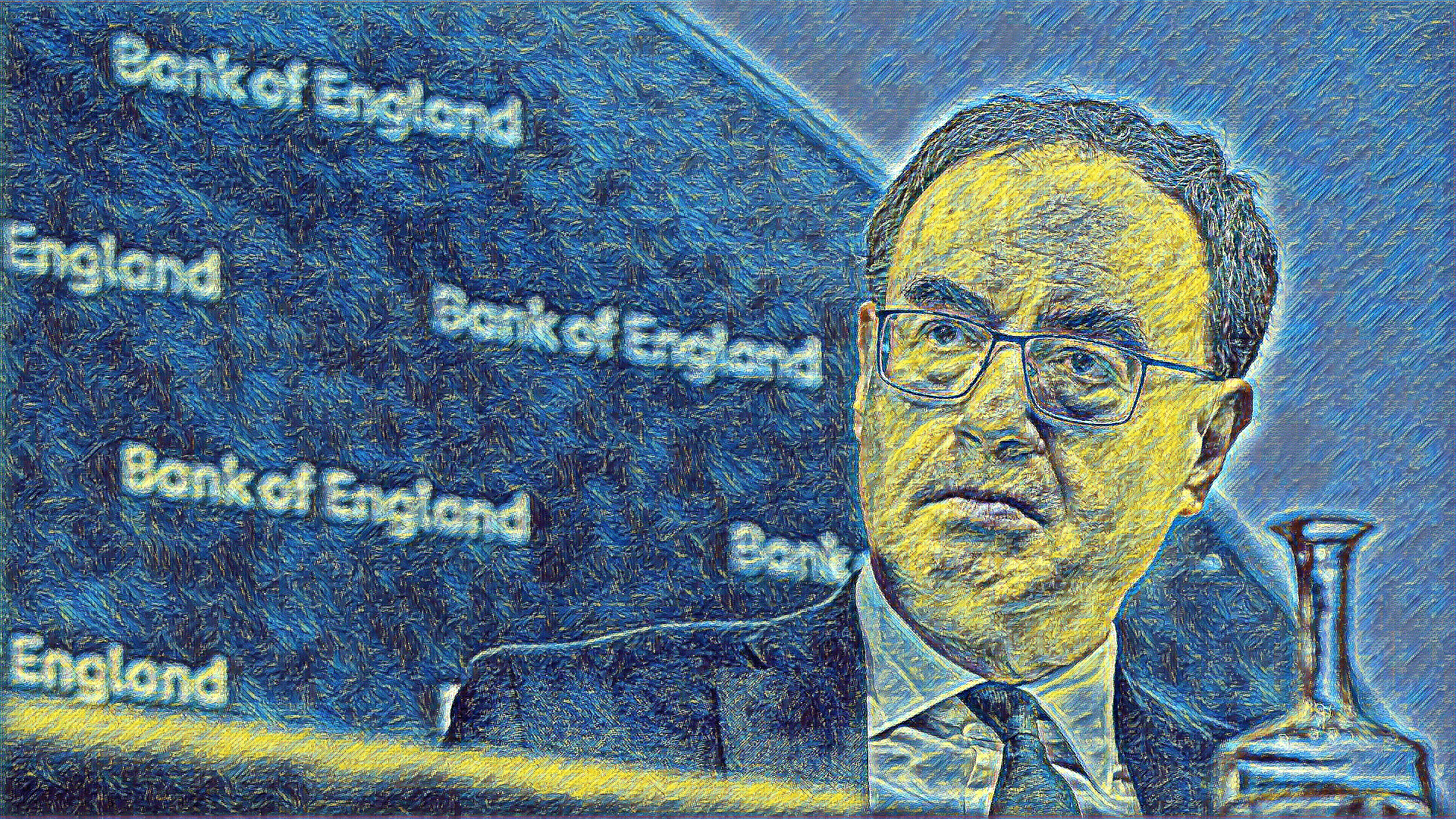
Bank of England Governor Andrew Bailey warned that the UK faces a challenging economic period due to soaring energy prices, describing the situation as a negative supply shock.
Monetary Policy Outlook Amid Energy Shock
Governor Bailey told CNBC that policymakers at the central bank must navigate a "most difficult combination" of economic effects stemming from the energy price shock. He stated that the outlook for energy prices remains "very uncertain," but any prolonged impact is expected to embed inflation deeper into the broader economy.
Bailey elaborated on the nature of the problem, explaining:
- "This is what we'd call a negative supply shock."
- The increase in energy product prices is negatively affecting overall economic activity, creating a "difficult combination."
Interest Rates and Inflation Concerns
This commentary followed the Monetary Policy Committee's decision to maintain the benchmark "Bank Rate" at 3.75%. Notably, Chief Economist Huw Pill was the sole dissenter, voting for a 25 basis-point rate increase.
Bailey adopted a hawkish tone, signaling that sustained energy price pressures could force the Bank of England (BOE) to intervene with monetary policy adjustments.
- He emphasized that if inflation proves "embedded and persistent," the BOE would be compelled to act to guide inflation back to its target.
- Achieving the committee's 2% inflation target remains "critically important."
Inflation Data and Future Projections
Recent data highlighted the inflationary pressure:
- The Consumer Price Index (CPI) rose to 3.3% in March, up from 3% the previous month, largely driven by higher fuel costs.
- The BOE anticipates that inflation "is likely to be higher later this year" as the effects of elevated energy prices permeate the economy.
- The central bank expressed caution regarding second-round effects, such as workers demanding higher wages due to increased living costs, which could fuel further inflation.
Policy Shift Expectations
Previously, market expectations had pointed toward interest rate cuts in 2026. However, these predictions have since reversed, with the possibility of rate hikes being considered by the BOE later in the current year.