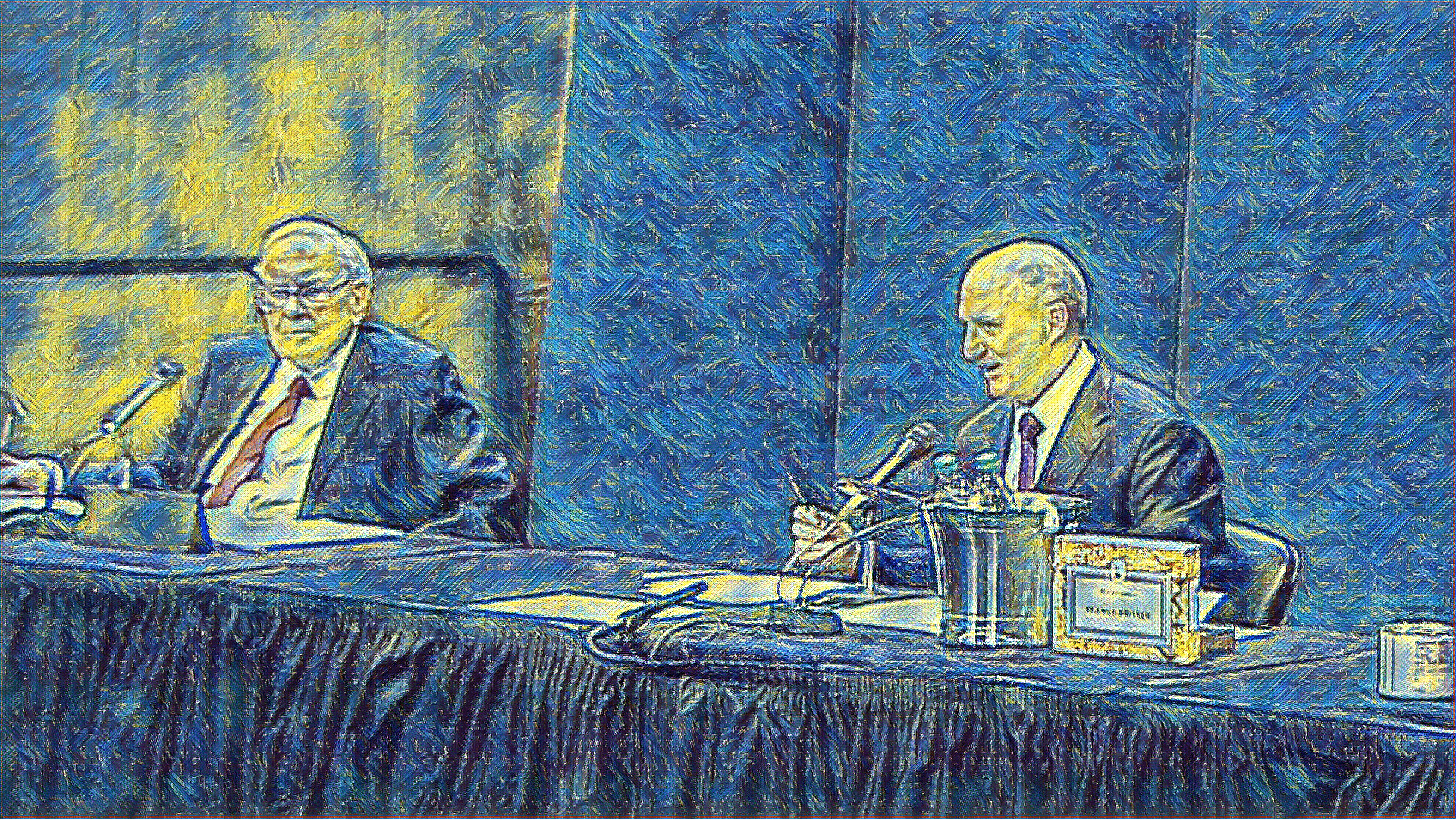
Berkshire Hathaway's upcoming annual meeting marks a significant leadership transition, positioning Greg Abel to face direct investor questioning on capital allocation and technology strategy. The May 2 gathering in Omaha is anticipated to shift focus from philosophical discussions to granular operational and strategic inquiries, particularly concerning share buybacks and AI integration.
Leadership Shift and Meeting Format
The meeting will feature a notable absence: Warren Buffett is not expected to lead the session. Instead, the leadership spotlight will fall on:
- Greg Abel: Successor to the CEO role.
- Ajit Jain: Head of the insurance division.
- Panel Members: Including Katie Farmer (CEO of BNSF railroad) and Adam Johnson (CEO of NetJets and president of consumer products, services and retailing).
This change in leadership is expected to reshape the tone of the annual shareholder meeting.
Key Investor Focus Areas
Observers anticipate a move away from the philosophical questions that have historically dominated Buffett-led meetings. Instead, investors are expected to press on specific operational and financial matters:
- Share Repurchases: Investors will scrutinize the pace of buybacks, especially since Berkshire resumed this activity in March. UBS estimates that Berkshire repurchased approximately $225 million of stock following the announcement. Analysts note that the stock has lagged the S&P 500, suggesting potential undervaluation.
- Capital Allocation: Given the current market context, investors will likely question the company's strategy for deploying capital.
- Technology and AI Strategy: A major point of inquiry will be how Berkshire plans to navigate the rapidly evolving technology landscape. Shareholders are expected to probe the company's approach to Artificial Intelligence (AI) as industries undergo transformation.
UBS analyst Brian Meredith highlighted the importance of these discussions, noting that the company's activity regarding share repurchases and its technological positioning will be critical factors influencing investor sentiment.