Benchmark indexes in South Korea and Taiwan have surged to record highs, driven by Asia's massive technology sector, particularly the AI semiconductor boom. However, analysts warn that this heavy reliance on a few key exporters creates significant systemic risk for both markets.
Semiconductor Dominance Fuels Market Rallies
The recent performance of the Kospi (South Korea) and Taiex (Taiwan) indices highlights an intense focus on AI-related technology. This concentration is evident in the market capitalization of a few major players:
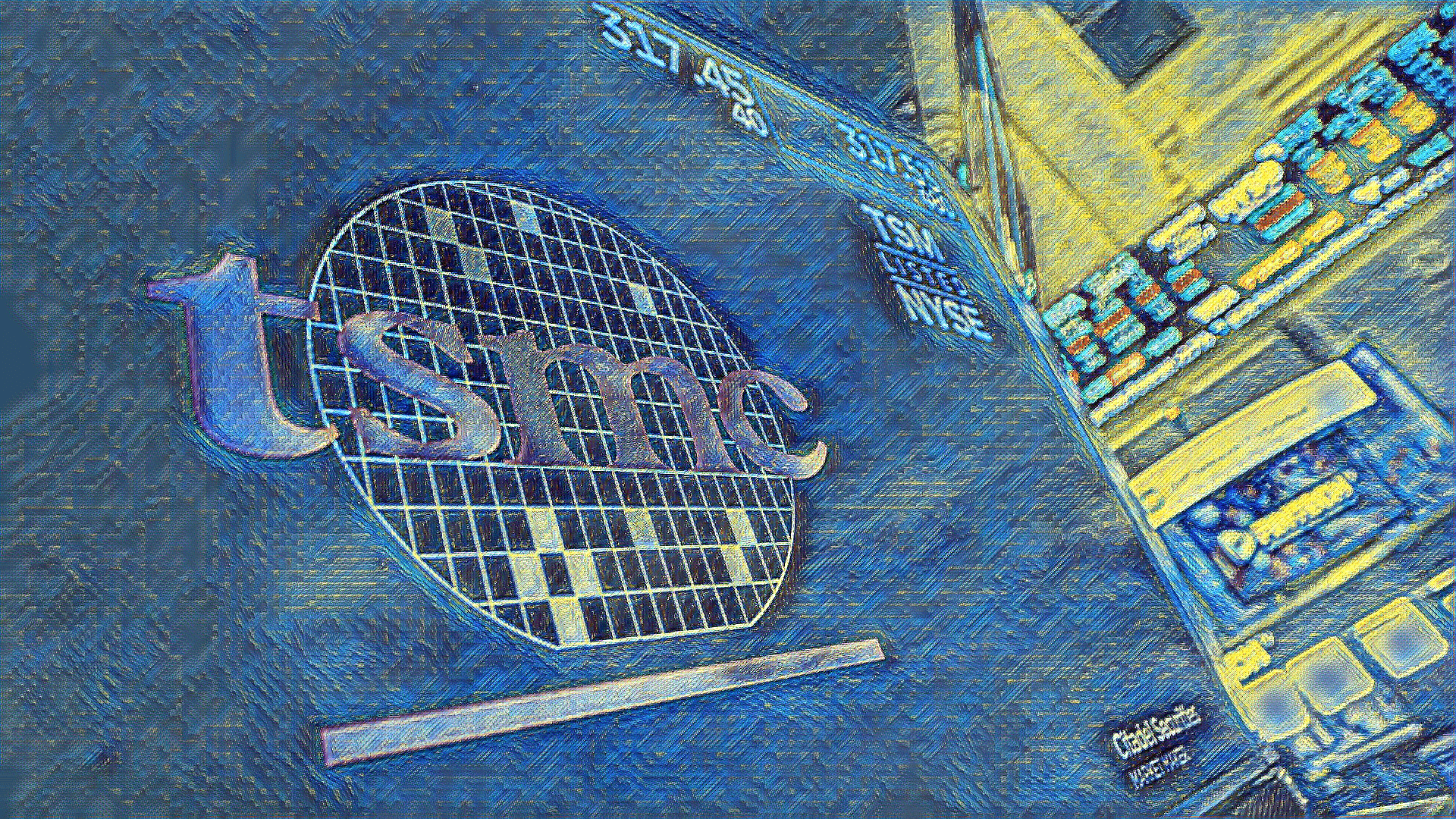
- Taiwan: Taiwan Semiconductor Manufacturing Company (TSMC) alone accounts for over 40% of the Taiex index.
- South Korea: Samsung Electronics and SK Hynix together represented a record 42.2% of the Kospi index in May.
Goldman Sachs strategist Tim Moe noted that the AI hardware theme is the primary propellant behind these gains, with Taiwan being over 80% exposed to AI-related revenue streams, and South Korea around 60%.
Concentration Risks and Vulnerabilities
While the semiconductor boom has fueled unprecedented earnings, the high concentration presents several vulnerabilities:
- Geopolitical Exposure: Both markets are highly sensitive to global AI spending cycles and geopolitical tensions.
- Supply Chain Risks: The ecosystem relies on specialized inputs like photoresists and gases. Disruptions in global shipping or geopolitical conflict could immediately impact production and trigger stock corrections.
- Energy Imports: Both nations are significant energy importers, meaning rising oil prices, such as those linked to Middle East tensions, could negatively affect their purchasing power and competitiveness.
Divergence in Economic Reflection
Analysts suggest that while both markets reflect global demand, the degree to which they mirror domestic economic health is diverging:
- South Korea: The market remains relatively broader. Beyond chipmakers, investment is flowing into sectors like shipbuilding, defense, power equipment, and K-culture, suggesting a deeper alignment with the wider industrial base.
- Taiwan: The market's performance is increasingly tied almost exclusively to TSMC and global semiconductor demand, making it appear more detached from its domestic economy.
JPMorgan's Mixo Das noted that while both markets are largely exporters, the current global demand is heavily concentrated in AI, amplifying the risk of thematic overexposure across global equities.