AI Boom Drives Stock Rebound: Why Markets Ignore Iran War
Global stock markets, particularly in Asia and the US, are experiencing significant rebounds to record highs, seemingly disregarding geopolitical risks from the Iran conflict. This rally is primarily fueled by the global boom in Artificial Intelligence (AI) and the resulting high demand for semiconductor chips. Asian markets, especially South Korea and Taiwan, are leading this charge, while US indices have also hit peaks. Conversely, European markets are lagging due to a perceived lack of concentration in AI-focused technology sectors. The analysis suggests that regional strengths—such as Asia's AI prowess versus Latin America's energy exports—are currently dictating market performance.
Ad slot
Global stock markets, particularly in Asia and the US, are posting record highs, seemingly overlooking geopolitical risks stemming from the Iran conflict. The primary catalyst fueling this optimism is the worldwide surge in Artificial Intelligence (AI) and the resulting high demand for semiconductor chips.
Asia and US Markets Hit Record Peaks
Asian and US stock indexes have recently achieved new all-time records, demonstrating resilience despite significant regional economic headwinds.
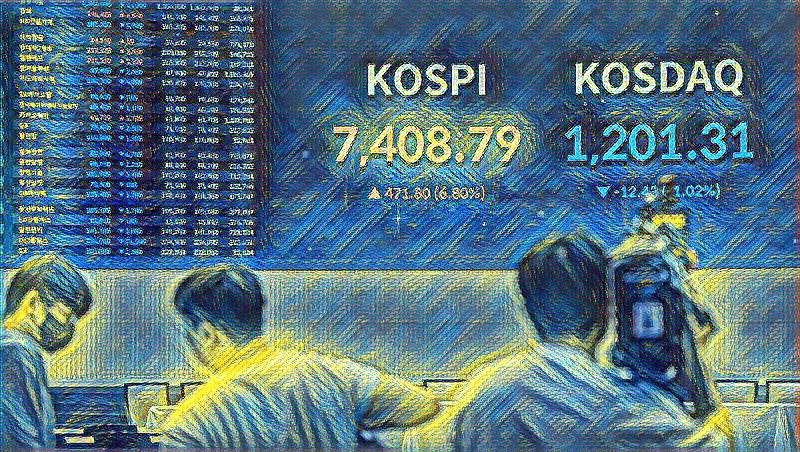
Record Setters: The Kospi (South Korea), Taiex (Taiwan), S&P 500, and Nasdaq Composite (US) all hit record highs on Wednesday.
Japanese Performance: Japan's Nikkei 225 also reached a record high last week.
The AI Catalyst Overrides Geopolitical Risk
Investor enthusiasm in Asian and US markets is largely attributed to the global AI boom. This technological rally has overshadowed concerns related to the Iran conflict and potential disruptions to oil supplies.
Semiconductor Demand: The push to build out AI infrastructure has created intense demand for semiconductor chips, significantly benefiting Asian markets.
Energy Concerns: Many Asian economies are net energy importers, making them vulnerable to higher oil prices following disruptions like the partial closure of the Strait of Hormuz, which choked off a fifth of global oil supply at the start of March.
Ad slot
Regional Deep Dive: Asia's Tech Strength
Asian markets are showing particular strength due to their deep integration with the semiconductor supply chain and AI development.
South Korea: The Kospi index has shown massive growth, with the market surpassing Canada's to become the world's seventh-largest equity market. Samsung Electronics also surpassed a $1 trillion market valuation.
Taiwan: The Taiex index has seen substantial gains, and Taiwan itself became the world's sixth-largest stock market in April.
Japan's Rebound: Despite an initial sharp drop of 13% by March 31, the Nikkei 225 rebounded sharply, erasing war-related losses and hitting a record high on April 16. JPMorgan Chase notes that AI, semiconductors, and data center-related companies account for about 50% of the Nikkei's weight.
Europe Lags Behind Tech Focus
In contrast to Asia and the US, European markets have not reached record highs.
Structural Difference: Europe is also reliant on Middle Eastern oil but possesses fewer companies heavily focused on AI and advanced technology compared to Asia and the US.
Index Performance: Germany's Dax remains slightly down since the conflict began, and the STOXX 600 index is down nearly 2% from its pre-war levels.
Comparative Market Analysis
Market experts highlight a divergence in regional strengths:
Asia: Possesses strong AI and semiconductor momentum.
Latin America: Benefits from higher energy prices due to its energy-exporting status.
Europe: Lacks significant concentration in either advanced technology or energy exports compared to its peers.