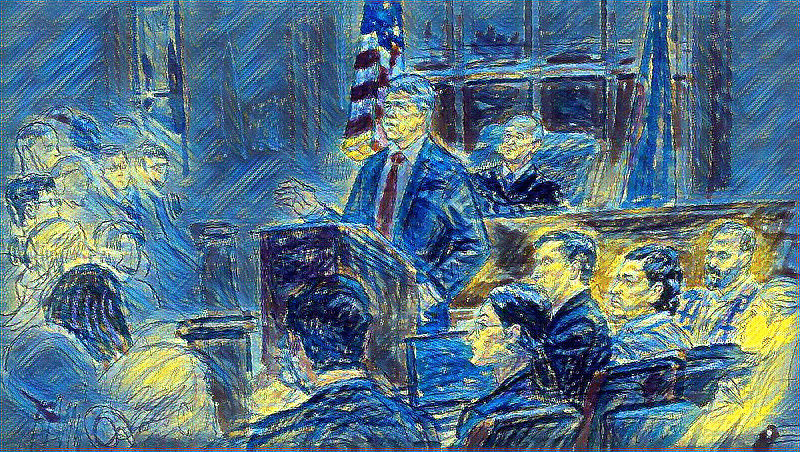
An alleged militant from Afghanistan was convicted of conspiracy charges related to the deadly suicide bombing that occurred at Kabul airport during the US withdrawal in 2021. The conviction, which carries a potential 20-year sentence, centers on providing material support to an ISIS-K affiliate, despite defense arguments questioning the evidence presented.
Trial Details and Verdict
- Conviction: Mohammad Sharifullah was convicted on one count of providing material support to an Islamic State regional branch known as ISIS-K.
- Sentence: He faces a maximum prison sentence of 20 years.
- Jury Deliberation: The federal jury in Virginia deadlocked on whether any deaths at the airport were directly 'resulted from' the conspiracy.
- Testimony: Sharifullah did not testify during his week-long trial.
Arguments Presented During Trial
Defense Counsel's Position
Defense attorney Lauren Rosen argued that the prosecution relied solely on the defendant's own statements made during FBI questioning. Key points from the defense included:
- Sharifullah allegedly provided information to FBI agents that he believed they wanted to hear.
- Rosen suggested that Sharifullah may have been fearful of torture while in Pakistani custody before being transferred to the US.
- The defense argued that the government failed to provide evidence detailing how the attack actually transpired.
Prosecution's Case
Justice Department prosecutor Ryan White contended that Sharifullah played a critical role in planning the Abbey Gate bombing and was involved in other ISIS-K attacks.
- White stated that Sharifullah viewed killing as routine for him.
- The prosecution linked him to other attacks, including a March 2024 incident at a Moscow concert hall.
Context of the Attack
The bombing occurred on August 26, 2021, while US troops were conducting an evacuation operation at Kabul airport. The attack, involving a lone suicide bomber detonating an IED near Abbey Gate, resulted in the deaths of approximately 160 Afghans and 13 US service members.
Investigative Findings and Controversy
- Central Command Review: A review by US Central Command identified the actual bomber at Abbey Gate as Abdul Rahman al-Logari, an ISIS militant released by the Taliban.
- FBI Affidavit: According to an FBI affidavit, Sharifullah recognized al-Logari as an operative he knew while incarcerated.
- Eyewitness Accounts: A former Marine testified to Congress that he and others observed two suspicious suspects that morning but were denied permission to intervene. However, the Central Command review concluded that snipers did not see the actual bomber and that the attack was deemed non-preventable.
Note: The article also noted that a prosecutor assigned to the Abbey Gate case was dismissed last year following public criticism regarding his work during the Biden administration.