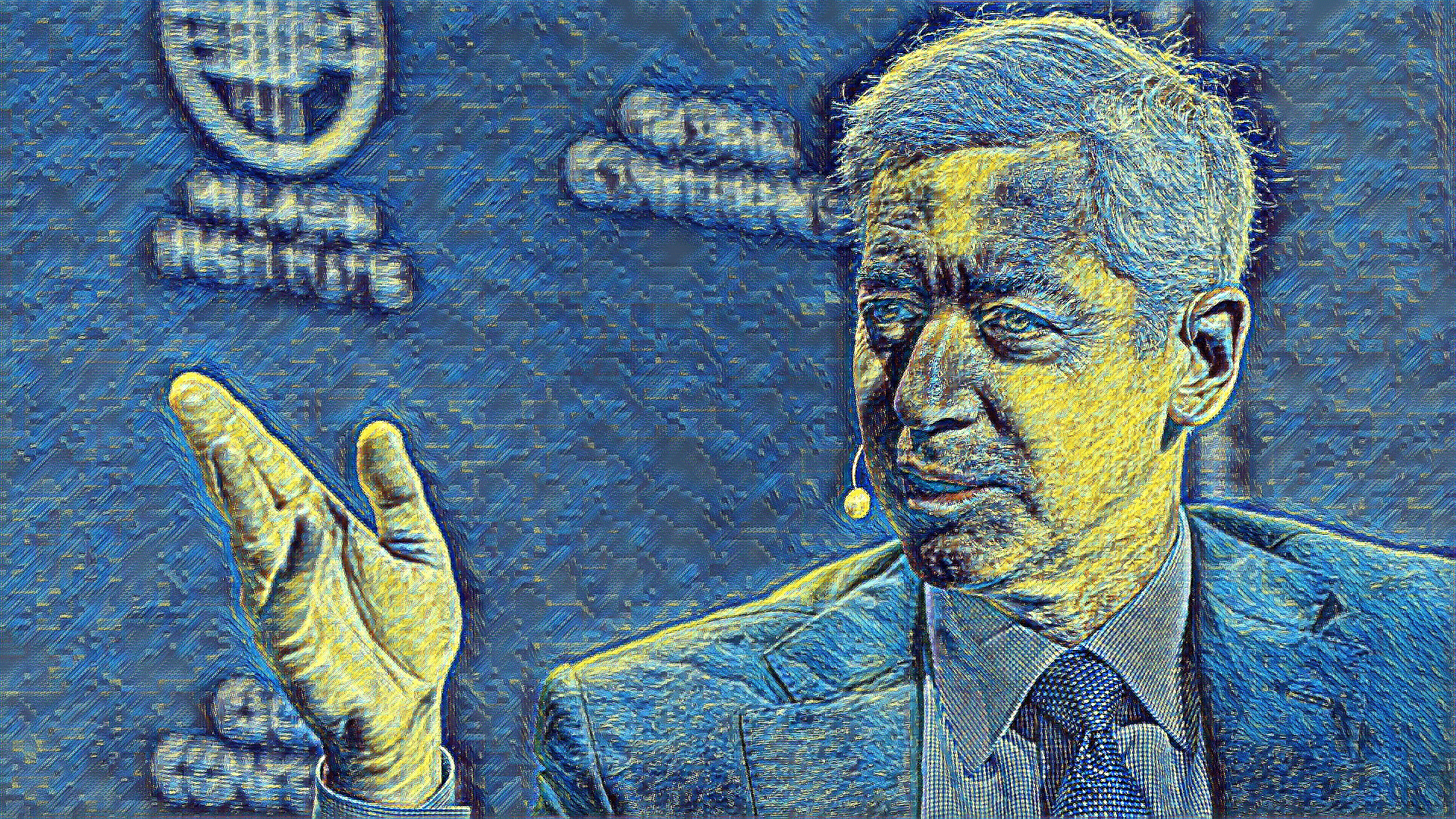
Bill Ackman's Pershing Square Capital Management has launched a $5 billion Initial Public Offering (IPO), creating a dual-listed structure designed to mimic the long-term, permanent capital model of Berkshire Hathaway. This move allows public investors direct access to the firm's concentrated portfolio and management capabilities.
IPO Structure and Offering Details
The transaction establishes two distinct, separately traded entities on the New York Stock Exchange (NYSE):
- Pershing Square USA Ltd. (Ticker: PSUS): This is the closed-end fund component.
- Pershing Square Inc. (Ticker: PS): This represents the asset management business itself.
This dual structure offers investors the choice of gaining exposure either to the underlying investment portfolio or to the management firm.
Key details of the offering include:
- Total Funds Raised: The combined IPO raised $5 billion, which was priced at the lower end of initial expectations.
- Investor Appeal: The structure was specifically designed to appeal to both institutional and retail investors by notably omitting performance fees.
- Share Pricing: Shares of the closed-end fund were priced at $50 apiece.
- Investor Benefit: PSUS investors will also receive bonus shares in Pershing Square Inc., linking the two vehicles while maintaining separate trading listings.
Investment Strategy and Track Record
Ackman emphasized that the core of the pitch is the firm's long-term return profile and its ability to hedge against macroeconomic risks.
- Historical Performance: Since its inception in 2004, Pershing Square has reported cumulative net returns exceeding 2,600%, significantly outpacing the S&P 500's gain of approximately 836% over the same period, according to roadshow materials.
- Macro Hedging: The firm highlighted its successful history of macro hedging. For instance, in early 2020, a credit protection trade related to investment-grade and high-yield indexes reportedly returned about $2.6 billion within weeks, representing a gain of roughly 93-fold.
- Portfolio Exposure: The listing provides public investors a direct stake in a concentrated portfolio featuring ten large-cap names, including Amazon, Uber, and Brookfield as of the end of 2025.
Modeling After Berkshire Hathaway
Ackman's ambition is explicitly tied to building a publicly traded vehicle modeled after Warren Buffett's Berkshire Hathaway. He views this structure as a blueprint for permanent capital.
- Permanent Capital Advantage: The firm stressed that permanent capital reduces the risk of forced selling during market downturns, enabling longer-term positioning crucial for compounding returns.
- Shareholder Engagement: To emulate the Berkshire culture, Ackman stated plans to host annual meetings and investor days, allowing investors to engage directly with management, similar to the model employed by Berkshire Hathaway.