Japan's aging workforce and rising material costs are creating a productivity crisis in its massive construction sector, but 3D printing technology is offering a potential path forward.
The 'Stealth House' Demonstration
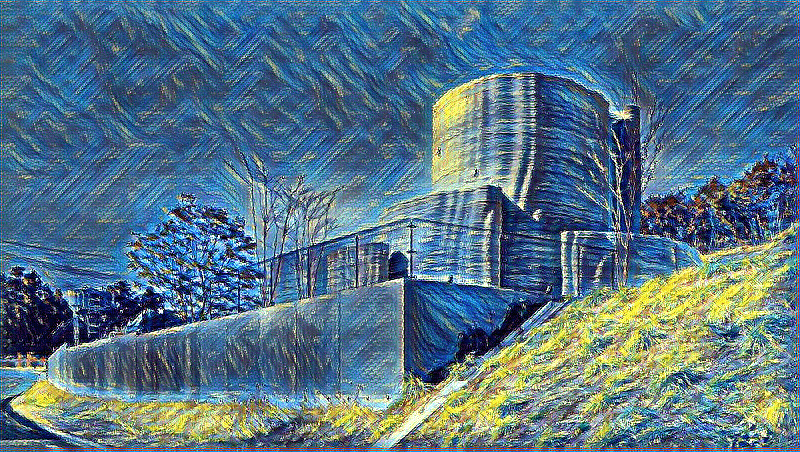
In a significant demonstration, building-tech startup Kizuki unveiled the "Stealth House," Japan's first two-story 3D-printed home. This project, completed in Kurihara City, Miyagi Prefecture, involved collaboration with over 20 companies, including ONOCOM.
- Construction Timeline: The entire structure, from foundation to rooftop parapet, was printed on-site in just 14 days.
- Design Inspiration: The house's design draws inspiration from natural cave formations.
- Technical Details: The exterior walls utilized a "hollow structure" filled with reinforced concrete to comply with stringent seismic building codes.
Kizuki CEO Rika Igarashi noted that this marked the first time a full, two-story residential process—from design data input to on-site construction and finishing—was successfully realized in Japan.
Addressing Labor Shortages and Productivity Gaps
Japan faces a demographic challenge, with an estimated 1.5 million skilled construction workers expected to retire within the next decade. 3D printing is seen as a key tool to mitigate this decline.
- Efficiency Gains: Experts suggest 3D printing can integrate up to seven traditional on-site trades, streamlining coordination.
- Market Potential: While current 3DPC applications focus heavily on civil infrastructure (accounting for about 62% of use), growth is anticipated in disaster-recovery and entry-level housing.
- Regional Impact: Kizuki is exploring using the technology to supply housing in depopulated and remote regions, allowing small teams to build high-quality structures even where skilled labor is scarce.
Hurdles to Widespread Adoption
Despite the technological promise, the adoption of 3DPC faces significant institutional and financial barriers.
- Regulatory Frameworks: The primary challenge is regulatory. Current compliance is handled on a case-by-case basis, necessitating dedicated technical standards and regulatory frameworks for broader efficiency.
- Financing Limitations: A major hurdle for buyers is that standard long-term mortgages often require a minimum floor area (e.g., 70 square meters), which excludes many current 3D-printed units from standard financing, limiting the buyer pool to cash purchasers or retirees.
- Data Gaps: Investors remain cautious due to a lack of long-term durability data and uncertainty regarding property resale values.
Future Outlook and Automation Synergy
The industry is already moving toward digitization through initiatives like "i-Construction," which aims to integrate IT solutions into construction machinery.
- Synergistic Growth: Experts believe that 3DPC's greatest potential lies not in isolation, but in combination with other technologies, such as prefabrication and AI-driven design, potentially yielding productivity gains of up to 40% by 2030.
- Industry Education: To normalize the technology, Kizuki plans to launch a "3DPC Academy" to train operators, aiming to shift the perception of construction from a difficult job to a creative industry.