Following a successful referendum on redistricting, Democrats hailed the Virginia vote as a major victory against partisan gerrymandering efforts, potentially securing four House seats. The measure allows for temporary district line adjustments while deferring full control to an independent commission until 2031.
Democratic Reaction and Political Implications
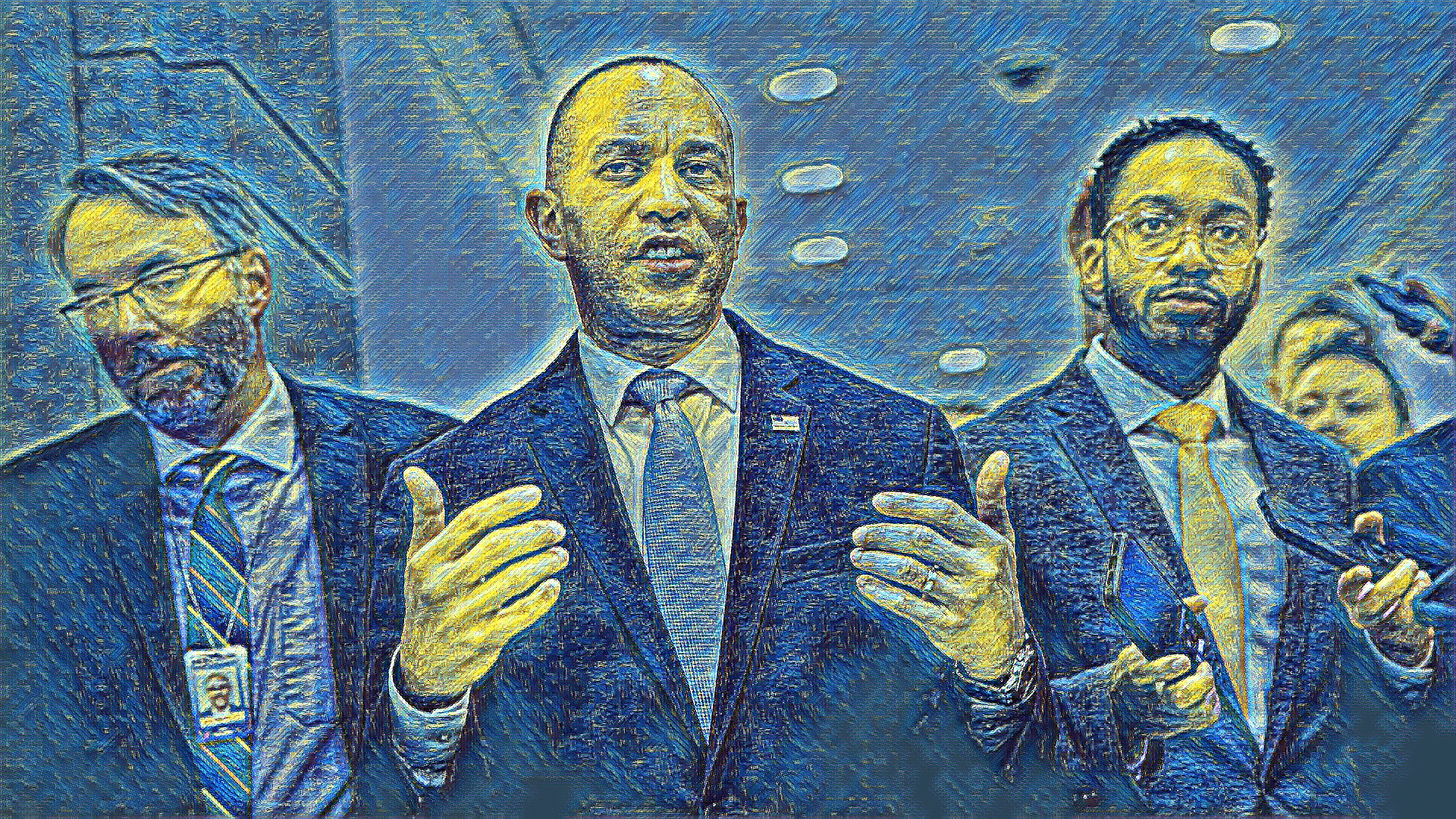
House Minority Leader Hakeem Jeffries framed the referendum win as a significant victory for democracy, directly challenging Republican efforts. During a press conference, Jeffries stated:
- "Last night was a big victory for the people of Virginia. A big victory for America. And a big victory for democracy."
- He asserted that Democrats would continue to fight against efforts to rig the midterm election.
Virginia Governor Abigail Spanberger, a Democrat who supported the resolution, emphasized that voters rejected partisan efforts, stating, "Virginians watched other states go along with those demands without voter input — and we refused to let that stand."
The Redistricting Vote Details
- The Virginia redistricting referendum passed by a margin of three percentage points.
- The outcome could potentially grant Democrats up to four seats in the U.S. House of Representatives.
- The measure institutes temporary district lines but mandates returning control to an independent commission in 2031.
Republican Counterarguments and Context
The Trump administration disputed the significance of the vote. White House Deputy Chief of Staff and Trump political advisor James Blair noted that the referendum passed by a narrow margin, contrasting it with other election results in the state.
- Blair suggested that if Republicans performed near their 2024 levels, the Democrats could achieve a "historic midterm" with gains in both the Senate and the House.
- Donald Trump dismissed the vote on Truth Social as a "rigged election," claiming the referendum's language was confusing.
Broader Context of Gerrymandering Battles
This event fits into a larger national battle over drawing congressional maps. Historically, states redraw district lines after the decennial census.
- Republican Actions: The GOP-led Texas legislature was noted as the first to redraw maps for 2026 following presidential encouragement. Other states, including Ohio, North Carolina, and Missouri, followed suit. Florida Governor Ron DeSantis has also called for a special session to redraw districts.
- Democratic Responses: In response to perceived partisan overreach, Democrats in various states have turned to voters via ballot initiatives, such as in California, which passed a measure intended to secure five additional House seats.