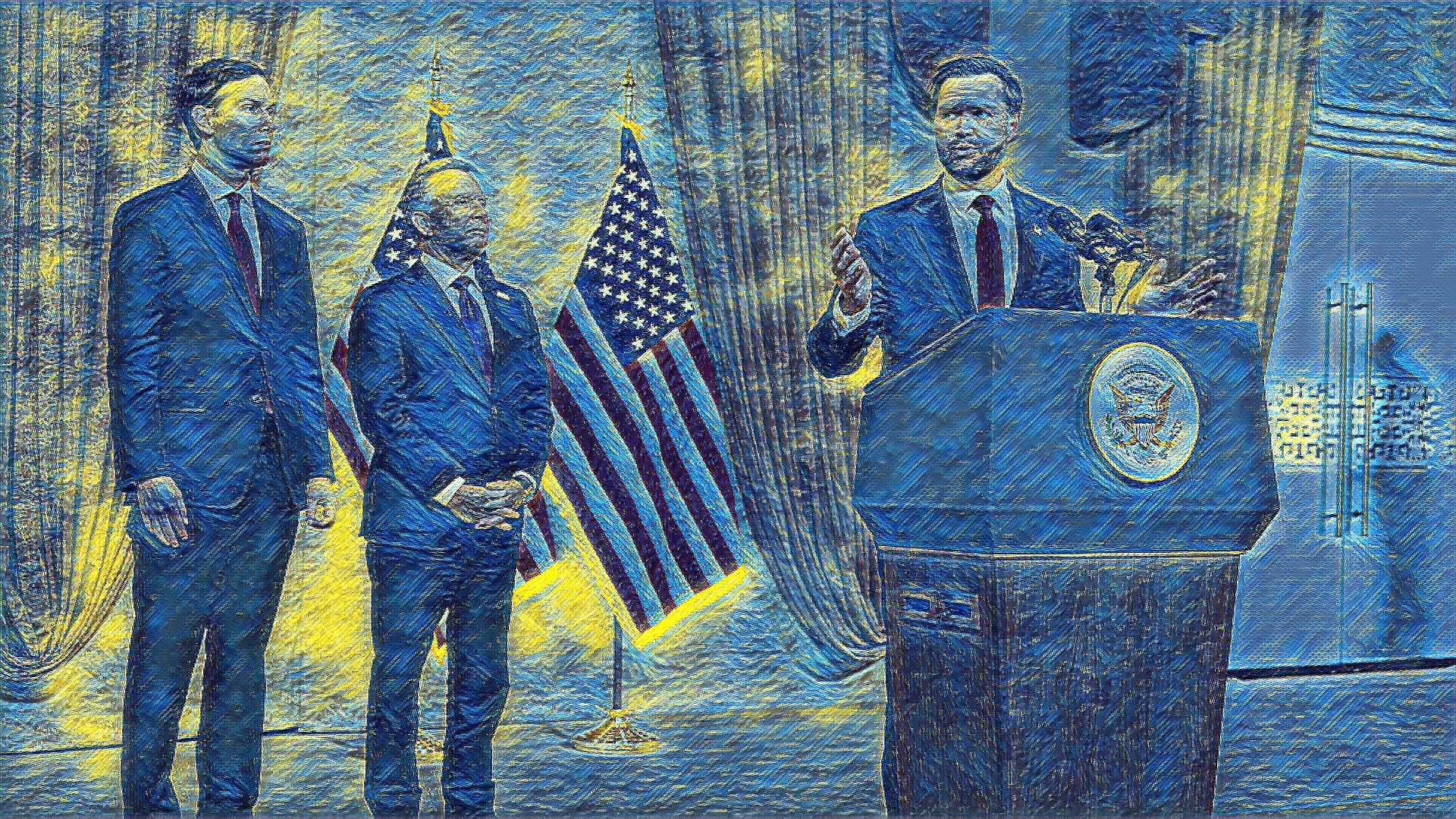
US Vice President JD Vance stated that the continuation of peace talks with Iran hinges on Tehran's next move, following the implementation of a U.S. blockade on Iranian ports in the Strait of Hormuz.
Diplomatic Standoff After Failed Talks
Speaking in Islamabad on April 12, 2026, Vice President JD Vance addressed the diplomatic impasse after unsuccessful negotiations with Iran. Vance told Fox News that the responsibility for advancing the peace process rests with the Islamic Republic.
"Whether we have further conversations, whether we ultimately get to a deal, I really think the ball is in the Iranian court, because we put a lot on the table," Vance stated.
Economic Pressure and the Strait of Hormuz
The remarks came hours after the U.S. initiated a blockade, restricting ships from entering or exiting Iranian ports in the vital Strait of Hormuz. This action, according to President Donald Trump, is intended to pressure Iranian leaders back to the negotiating table.
- Purpose of Blockade: To force Iran to fully reopen the strait, a critical global pathway for oil shipping whose partial closure has contributed to soaring energy prices.
- Trump's Warning: President Trump criticized Iran, stating, "We can't let a country blackmail or extort the world, because that's what they're doing."
Core Disputes and Non-Negotiables
Vance emphasized that the reopening of the Strait of Hormuz and Iran's nuclear ambitions remain the central sticking points. He noted that the initial 14-day ceasefire was partly predicated on Tehran agreeing to reopen the strait fully, a condition that has not yet been met.
According to Vance, the U.S. maintains two non-negotiable demands for any peace deal:
- Nuclear Ambitions: Iran must never possess nuclear weapons.
- Verification: The removal of enriched uranium from the country and the implementation of robust verification measures.
He warned that failure to see the full reopening of the strait would fundamentally alter the negotiation landscape, suggesting the blockade provides "additional economic pressure" on Iran.