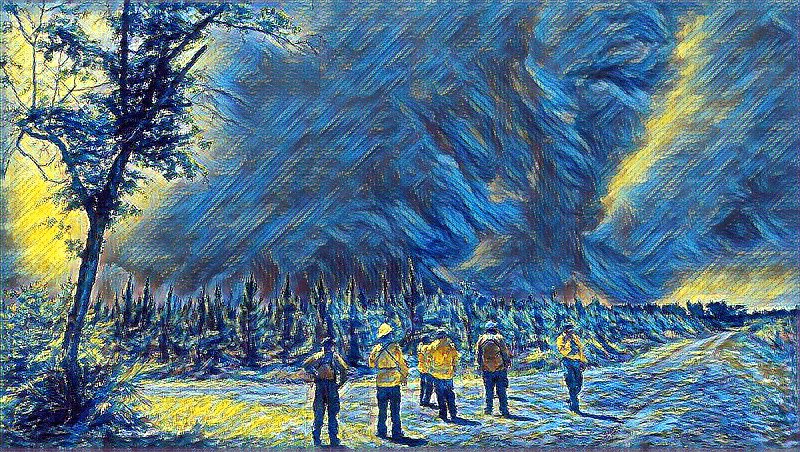
US Drought Crisis: Record Spring Dryness Fuels Wildfire Fears
The continental United States is grappling with a record-breaking spring drought, affecting 62.78% of the landmass, with the South, West, and Plains hit hardest. The crisis is fueled by significantly low rainfall and snowpack across the first three months of the year, compounded by La Niña's influence. Consequences include widespread wildfires, with over 1.7 million acres burned nationwide, and severe water stress. Key concerns involve the Colorado River and Lake Powell, where low inflows threaten major reservoirs and hydropower generation. Experts warn that fire activity is expected to intensify across the West through the summer months.
Ad slot
A record-breaking drought grips the continental United States, escalating concerns over widespread wildfires and critical water shortages as summer approaches.
Scope of the Drought Crisis
As of April 21, varying levels of drought covered 62.78% of the country. The most severe conditions are concentrated across the South, West, and Plains. This level of dryness across the Lower 48 states is noted as unprecedented in the history of the US Drought Monitor, which tracks data back to 2000.
Southeast: This region faces record-high dryness, with 94% of the area spanning from Florida to Virginia officially classified as experiencing severe or worse drought.
Historical Context: While the current footprint is slightly behind the monitor's all-time record (set on September 25, 2012), the preceding month of March already registered the third-worst drought conditions in over 130 years of records.
Causes of Intensifying Dryness
The drought's severity is attributed to a combination of factors affecting early-year precipitation and regional climate patterns.
Low Precipitation: Total precipitation across the continental US for January through March was less than 70% of the average, marking the lowest recorded level since 1895.
Climate Factors: Experts point to the likely influence of La Niña on reduced rainfall, particularly across the southern tier. Additionally, storm systems tracked further north in the West, bypassing the Rocky Mountains.
Snowpack Depletion: The West experienced an unprecedented depletion of snowpack, with Colorado's state climate center declaring it the worst year on record.
Impacts on Water Resources and Wildfires
The parched conditions are creating immediate threats to both water supplies and ecosystems.
Ad slot
Water Shortages
Many western states depend on melted snowpack to replenish reservoirs and rivers for the drier months ahead. This dependency raises alarms for major water sources:
Colorado River: Minimum inflow into Lake Powell is forecast to be only 29% of its historical average, one of the lowest recorded levels. Low water at Powell is expected to impact Lake Mead and the hydropower operations at the Hoover Dam, potentially cutting output by 40% as early as fall.
Wildfire Activity
Wildfires have burned over 1.7 million acres nationwide as of April 17, nearly double the average acreage burned by that date over the previous decade.
Georgia Mandates: In Georgia, extreme drought covers 71% of the state, prompting the Georgia Forestry Commission to issue its first-ever mandatory burn ban for 91 counties in the lower half of the state.
Florida Fires: Wildfires in Florida are fueled by vegetation dried out by depleted rainfall from La Niña and a lack of tropical storm moisture. The state has seen nearly 1,800 wildfires this year.
Major Incidents: Nebraska saw its largest recorded fire, the Morrill Fire, which burned over 640,000 acres.
Outlook and Forecasts
Fire concerns are projected to worsen in the West over the coming months. The fire center forecasts above-normal activity expanding from the Plains into the Four Corners states, and into Northern California, Oregon, Washington, and Idaho from May through July.
Short-Term Relief: The South may see some rainfall in the coming week, with areas from eastern Oklahoma to Tennessee potentially receiving 1 to 3 inches. However, NOAA notes that significantly more rainfall—such as 20 inches over three months for some regions—is required to alleviate the current drought.
Long-Term Outlook: While the Southwest monsoon season (July through September) could offer some relief to the central and southern Rockies, the region requires over 10 inches of precipitation within three months to end the drought.