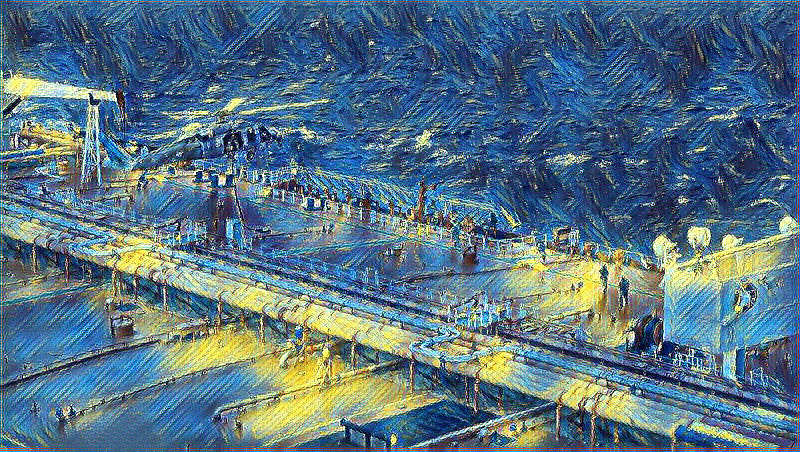
The United States' boarding of an oil tanker in the Indian Ocean signals an expansion of its maritime enforcement efforts, potentially widening the gap in ongoing US-Iran peace negotiations.
US Enforcement Expands Beyond Persian Gulf
The recent interception of the M/T Tifani, an oil tanker, in the Indian Ocean demonstrates Washington's commitment to tracking and interdicting vessels linked to Iran globally. This action extends the scope of pressure beyond the traditional blockade of Iranian ports.
- Incident Details: The M/T Tifani was stopped between Sri Lanka and Indonesia, over 2,000 miles from the Persian Gulf, within the US Indo-Pacific Command (INDOPACOM) area of responsibility.
- Timeline: Tracking data showed the tanker making abrupt course changes on April 21st. Previously, it was observed near Iran’s Kharg Island oil terminal on April 6th and in the Gulf of Oman on April 10th.
- Operation: The boarding was conducted by the USS Miguel Keith, an expeditionary sea base, highlighting the vast resources the US Navy can deploy for sanctions enforcement.
Strategic Implications of Open-Sea Interdictions
Analysts suggest that conducting interdictions in international waters offers tactical advantages for the US Navy compared to operations closer to the Persian Gulf.
- Operational Advantage: Open waters provide fewer neutral vessels and lack landmasses that could restrict maneuverability or conceal adversaries.
- Scope of Action: The US Department of Defense stated that it will pursue global maritime enforcement to disrupt illicit networks and interdict sanctioned vessels supporting Iran, asserting that "International waters are not a refuge for sanctioned vessels."
- Context: This open-sea tactic mirrors previous US actions, such as tracking down tankers linked to Venezuela.
Impact on Peace Negotiations
Despite the high-profile seizures, experts suggest the aggressive enforcement strategy may be counterproductive to diplomatic efforts.
- Iranian Response: The Iranian Foreign Ministry condemned the action as a violation of a ceasefire that took effect on April 8th. Iran has since declined to send a delegation to new peace talks in Pakistan.
- Analyst View: Observers suggest that expanding the zone of conflict through far-seas interdictions is likely to harden Tehran's negotiating stance.
- Seizure Precedent: The interdicted vessels are part of the "dark fleet" used to move Iranian oil and commodities. Previous seizures, like the M/V Touska, have led to questions regarding whether the cargo could become US government property if deemed a "prize" of war.