US Allies Seek Currency Swaps Amid Iran War Tensions
U.S. Treasury Secretary Scott Bessent revealed during a Senate hearing that numerous Gulf allies have requested currency swap lines to stabilize their economies amid tensions with Iran. These swaps are intended to ensure liquidity in U.S. dollars, which are vital for global oil markets. The need for such financial backstops stems from regional instability, including threats to key shipping lanes. While some lawmakers, like Senator Daines, expressed support for the assistance, others, such as Senator Van Hollen, cautioned about the domestic economic burden on U.S. taxpayers. The discussion highlights the intersection of geopolitical conflict and global financial stability.
Ad slot
U.S. Treasury Secretary Scott Bessent stated that several Gulf allies have requested currency swap lines to stabilize the dollar funding markets amid economic turbulence stemming from tensions with Iran. These requests aim to provide necessary liquidity to nations like the UAE, which face disruptions to oil revenues.
Testimony on Financial Stability
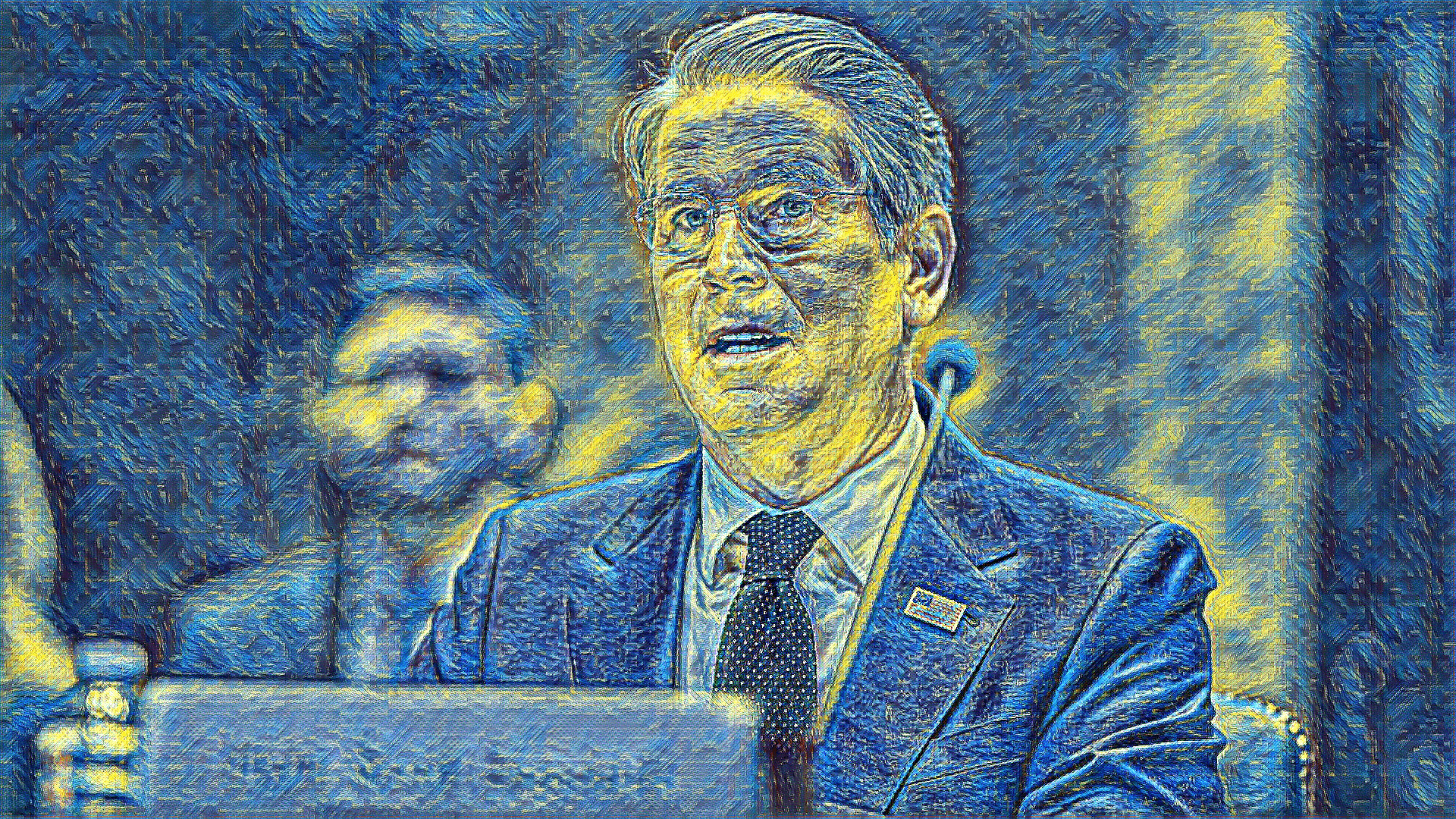
Secretary Bessent testified before the Senate Committee on Appropriations, Subcommittee on Financial Services and General Government on April 22, 2026, in Washington, D.C. During the hearing, he addressed the need for financial support among regional partners.
Bessent stated that "many of our Gulf allies have requested swap lines."
These swap lines, whether from the Federal Reserve or the Treasury, are intended to "maintain order in the dollar funding markets and to prevent the sale of the U.S. assets in a disorderly way."
Such a mechanism would provide liquidity in U.S. dollars to the UAE and other Gulf nations.
Regional Economic Pressures
The economic instability in the Gulf region is reportedly linked to the ongoing tensions with Iran. Key factors contributing to this pressure include:
Ad slot
Missile attacks by Tehran on U.S. allies in the region, which have damaged economic infrastructure.
The potential closure of the Strait of Hormuz, which is critical for global oil revenues.
Bessent noted that a currency swap could also be necessary to ensure the continued use of the U.S. dollar, given its dominance in nearly all oil exchanges.
Political Reactions and Concerns
Bessent's comments expanded upon previous statements, indicating that multiple nations, including some Asian allies, have reportedly requested such financial backstops.
Supportive Views: Senator Steve Daines (R-Mont.), who serves on the Senate Finance and Foreign Relations Committees, publicly supported the idea of a currency swap with the UAE.
Domestic Concerns: Senator Chris Van Hollen (D-Md.), during his questioning, raised concerns regarding the domestic economic impact on the U.S. population. He highlighted:
The significant cost of the conflict, estimating losses exceeding a billion dollars daily in taxpayer money.
The resulting inflationary pressures, including higher gas and general consumer prices.
These discussions place the potential financial assistance against the backdrop of domestic economic strain and ongoing geopolitical conflict.