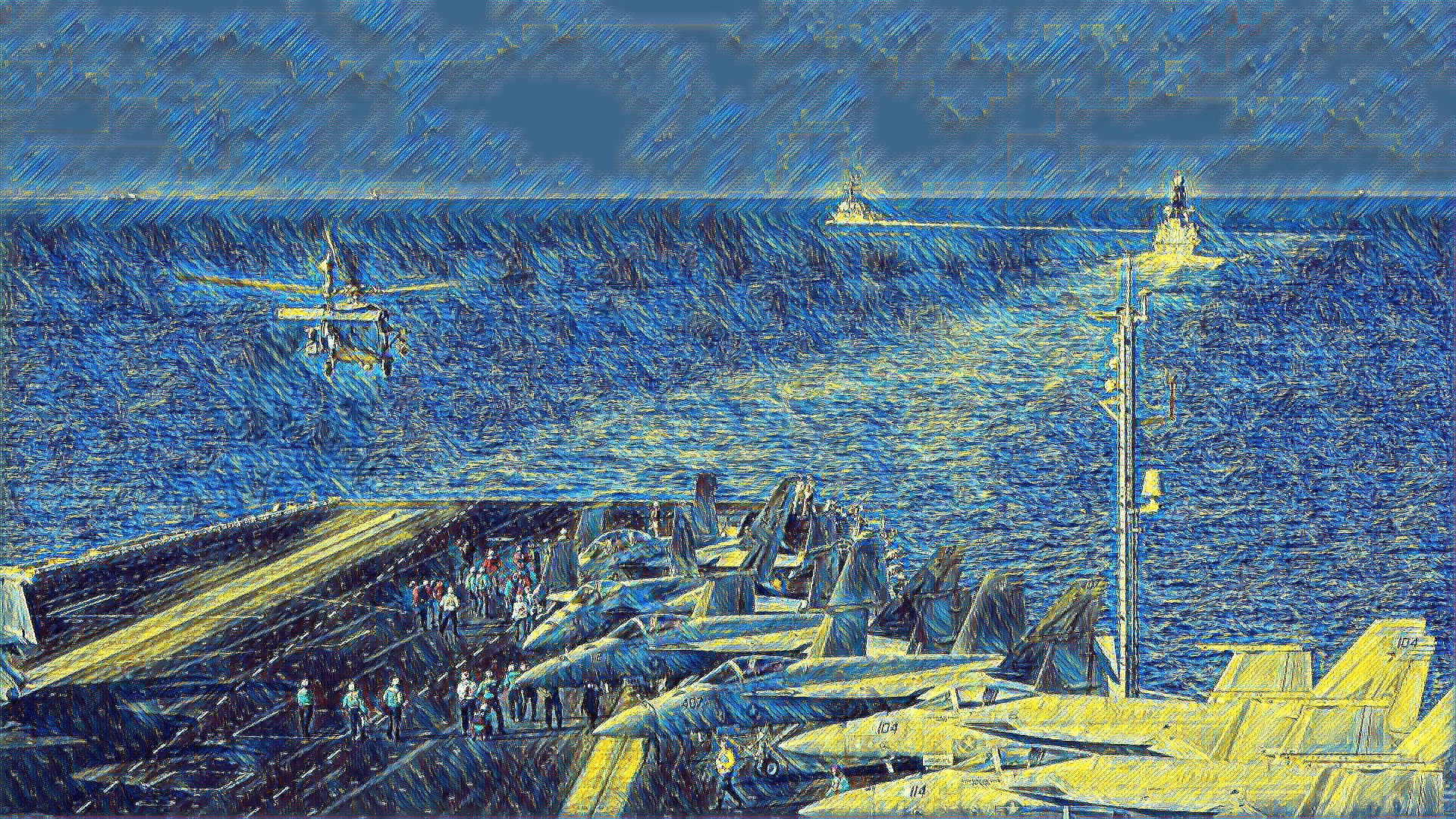
The U.S. Central Command announced the full implementation of a blockade on Iranian ports in the Strait of Hormuz, effectively cutting off the international sea trade that powers approximately 90% of Iran's economy. This military action occurs simultaneously with signals from the White House regarding potential diplomatic solutions to the Middle East conflict.
Scope and Implementation of the Blockade
The U.S. military confirmed that the blockade is fully in effect, halting all economic trade entering or leaving Iran by sea. According to Centcom commander Brad Cooper, the blockade was achieved under President Donald Trump's order and involves maintaining maritime superiority in the Middle East.
Key details of the enforcement include:
- Scope: The blockade targets Iranian ports via the Strait of Hormuz.
- Forces Deployed: The U.S. military presence includes over 10,000 troops, numerous Navy ships, and fighter jets operating in the Gulf of Oman and the Arabian Sea.
- Enforcement: During the initial 24 hours, U.S. forces reportedly ordered multiple merchant vessels to turn back before re-entering Iranian ports.
Economic and Geopolitical Impact
Experts warn that the blockade poses severe economic risks to Iran and potential disruptions to global energy markets. Miad Maleki, a senior fellow at the Foundation for Defense of Democracies, estimated the daily economic damage to Iran at approximately $435 million.
- Trade Dependency: More than 90% of Iran's annual seaborne trade, valued at $109.7 billion, transits through the Strait of Hormuz, leaving the country with few significant alternative routes.
- Energy Flow: The Strait of Hormuz is a vital global waterway, historically carrying a fifth of the world's oil supplies. The blockade threatens to upend global energy flows.
- Diplomatic Tension: The timing of the blockade, while the White House is signaling continued diplomatic negotiations with Tehran, has created significant geopolitical tension.
International Reaction and Market Response
The blockade has drawn sharp international criticism and influenced global financial markets.
- China's Criticism: China publicly condemned the action, calling the U.S. blockade a "dangerous and irresponsible act" that is likely to escalate regional tensions.
- Market Concerns: The action risks straining U.S. diplomatic ties with major oil buyers, including China and India.
- Global Economic Outlook: The International Monetary Fund (IMF) recently cut its global growth forecast, warning the world toward an "adverse scenario" where oil prices could stabilize around $100 per barrel. Despite this, signals of diplomatic resolution have caused minor fluctuations in oil futures, with both WTI and Brent crude prices showing slight declines.