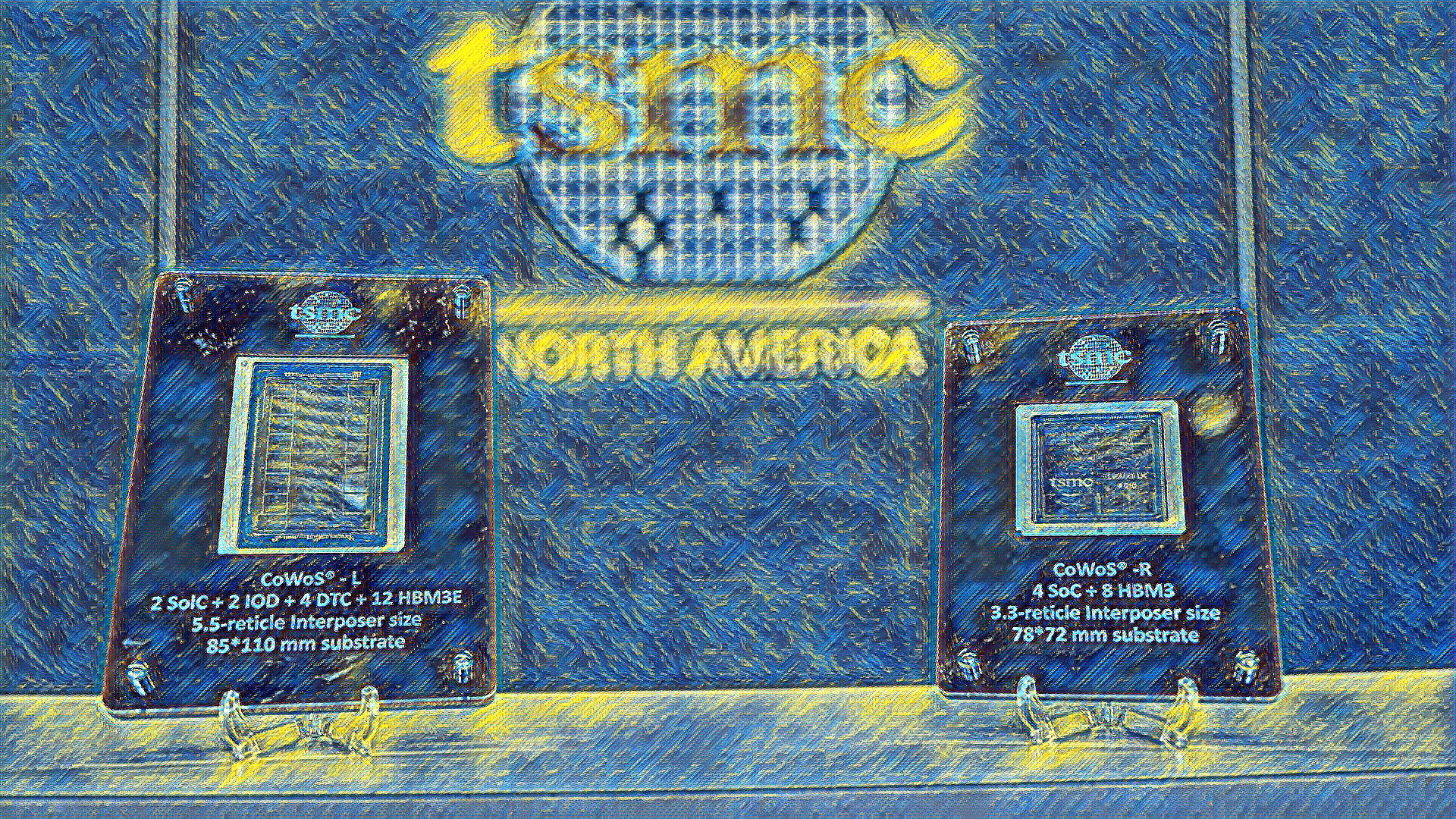
Despite reporting strong first-quarter earnings fueled by surging demand for artificial intelligence (AI) chips, major semiconductor manufacturers TSMC and ASML saw their stock prices decline, signaling potential overvaluation in the broader chip industry.
Semiconductor Giants Report Record Q1 Earnings
Taiwan Semiconductor Manufacturing Co. (TSMC) and ASML, two of the world's most critical chip manufacturers, both announced robust financial results this week. The positive performance was largely attributed to the sustained, high demand for advanced AI computing chips.
However, the market reaction was muted. The failure of either stock to gain significant momentum, despite the positive reports, has drawn attention to the current valuation cycle within the semiconductor sector.
TSMC's Performance and Market Reaction
TSMC reported a significant 58% increase in first-quarter profits, marking a new record and the fourth consecutive quarter of record profitability for the world's largest chip maker. CEO C.C. Wei noted that "AI-related demand continues to be extremely robust."
Despite the record earnings, TSMC shares fell approximately 2% on Thursday.
Key financial highlights for TSMC included:
- High-Performance Computing (HPC): This segment, which includes AI chips for major clients like Nvidia, accounted for 61% of total Q1 revenue, up from 55% in the previous quarter.
- Gross Margins: Margins reached 66%, an increase from the prior quarter, reflecting TSMC's dominant position in advanced, leading-edge chips (7nm and below), which made up 74% of revenue.
- Weak Spot: Smartphone revenue declined by 11% compared to the previous quarter, amid ongoing industry memory shortages.
ASML Faces Valuation Concerns
ASML, the Dutch equipment maker, also posted strong Q1 results and raised its forward guidance. However, the stock experienced significant volatility, dropping as much as 6.5% on Wednesday, and closing about 2.5% lower. The subsequent drop on Thursday was attributed to persistent concerns regarding shrinking sales to China and elevated market expectations.
Industry Implications
The simultaneous stock dips, despite positive earnings, suggest that market expectations may have exceeded the reality of the current performance. Industry analysts view this pattern as a potential bellwether for the wider semiconductor sector as earnings season continues. The volatility echoes previous market behavior, such as Nvidia's stock seeing a 5% sell-off following its blowout Q4 report last quarter.