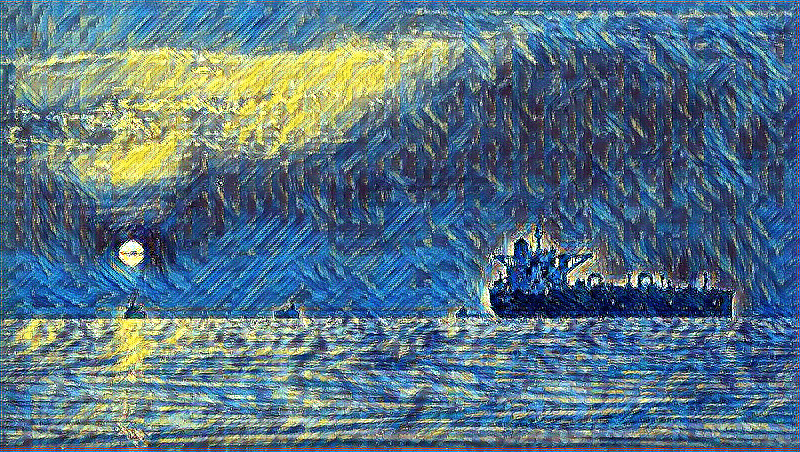
Former President Donald Trump announced that U.S. representatives are traveling to Islamabad, Pakistan, to engage in negotiations with Iran, following accusations of ceasefire violations in the Strait of Hormuz.
Allegations of Ceasefire Violations
Speaking on Truth Social, Trump accused Tehran of violating a standing ceasefire agreement. Specifically, he alleged that Iran fired projectiles in the Strait of Hormuz, targeting vessels belonging to France and the United Kingdom.
- Incident: Alleged firing of projectiles in the Strait of Hormuz.
- Targets: French vessel and a United Kingdom freighter.
- Violation Claim: Trump labeled this action a "Total Violation of our Ceasefire Agreement."
Diplomatic Efforts and Key Figures
During an interview with the New York Post on Sunday, Trump detailed the diplomatic mission. He confirmed that special envoy Steve Witkoff would travel to Pakistan, and his son-in-law, Jared Kushner, would also be involved in the talks.
Stance on Strait of Hormuz Traffic
Trump addressed Iran's recent announcement regarding the closure of the strategic waterway. He asserted that U.S. actions had already effectively restricted passage, calling Iran's declaration "strange."
He made several claims regarding the economic implications and U.S. position:
- Blockade Status: Trump stated that the U.S. blockade had already closed the strait.
- Economic Impact: He claimed that the passage closure would cost Iran an estimated $500 million per day.
- Shipping Patterns: He noted shifts in shipping, with many vessels reportedly heading toward U.S. ports in Texas, Louisiana, and Alaska.
Ultimatum Issued to Iran
While presenting what he termed a "very fair and reasonable DEAL," Trump issued a severe warning regarding the potential failure of the negotiations.
- Warning: If Iran does not accept the proposed deal, the United States, according to Trump, would take decisive action.
- Threatened Actions: These actions include disabling "every single Power Plant, and every single Bridge, in Iran."
- Conclusion: Trump concluded by stating that if the deal is rejected, it would be his "Honor to do what has to be done."