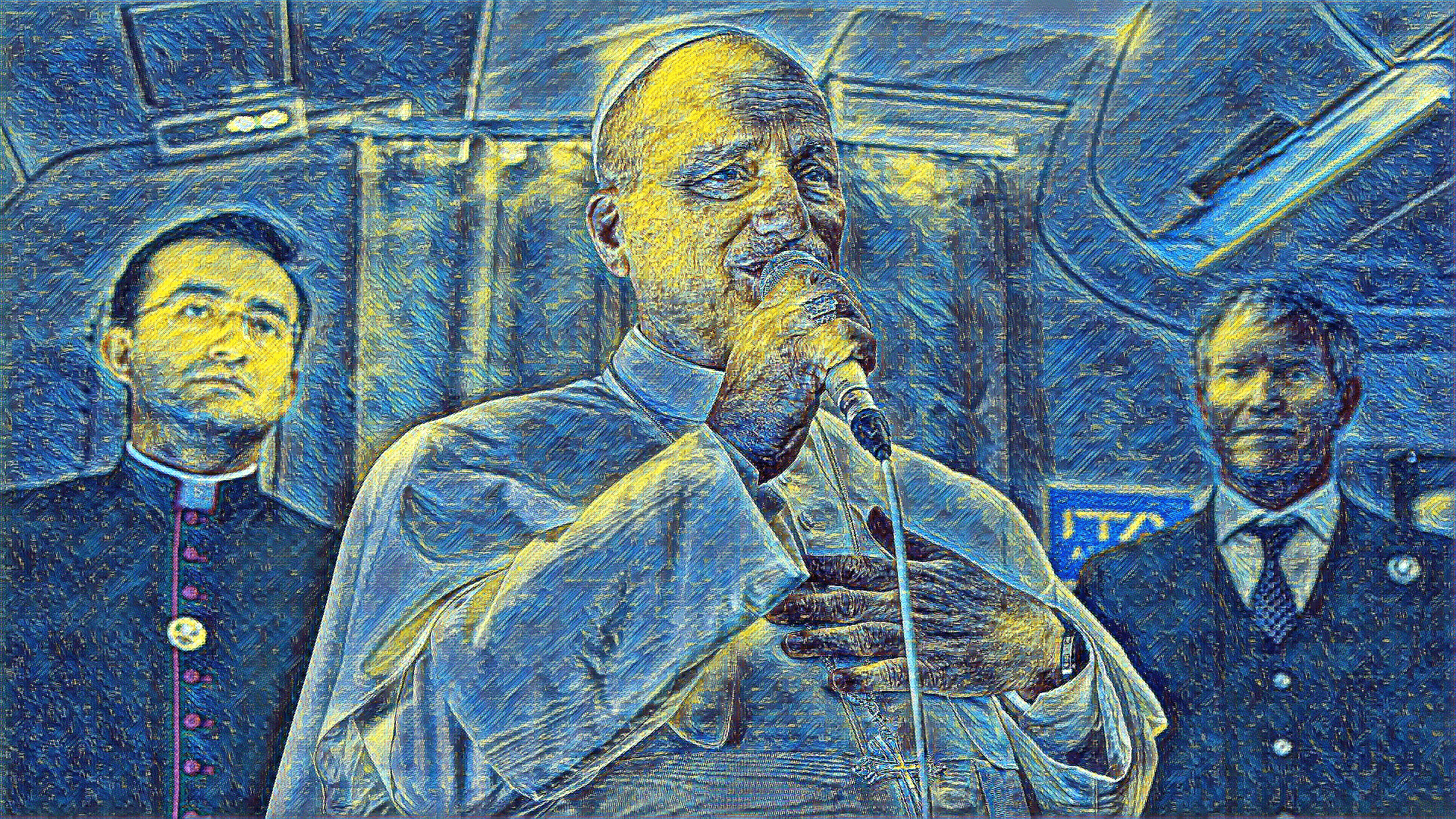
Former U.S. President Donald Trump renewed his criticism of Pope Leo XIV during a recent trip to Algiers, Algeria, focusing on the situation in Iran and the Pope's calls for international dialogue.
Trump's Criticism of Iran and the Pontiff
During a trip to Algiers on April 13, 2026, Trump publicly criticized Pope Leo XIV, suggesting the pontiff was unaware of the human rights abuses occurring in Iran. Trump specifically addressed the alleged repression against the Iranian populace.
In a Truth Social post, Trump stated:
- "Will someone please tell Pope Leo that Iran has killed at least 42,000 innocent, completely unarmed, protesters in the last two months, and that for Iran to have a Nuclear Bomb is absolutely unacceptable."
This criticism followed previous remarks where Trump had criticized the Pope for being critical of the U.S. administration.
Pope Leo XIV's Stance on Conflict
In response to the political tensions, Pope Leo XIV maintained his commitment to peace and diplomacy. While Trump had previously lambasted the Pope for criticizing U.S. military actions in Iran and Venezuela, the Pope remained resolute.
Speaking to reporters, Pope Leo XIV affirmed his dedication to global dialogue:
- "I have no fear of the Trump administration," Leo stated.
- "I will continue to speak out loudly against war, looking to promote peace, promoting dialogue and multilateral relationships among the states to look for just solutions to problems."
Blasphemy Controversy and AI Imagery
A separate incident drew significant international attention when Trump posted an AI-generated image on Truth Social depicting himself in the guise of Jesus Christ. This action drew immediate and sharp condemnation from religious leaders, Democratic lawmakers, and the Vatican.
- Vatican Response: The Vatican called the imagery "deeply disrespectful."
- Criticism: Conservative Christian commentators labeled the post as "OUTRAGEOUS blasphemy."
Trump later deleted the image, attempting to explain the context to reporters at the White House. He initially claimed the image was intended to portray him as a doctor working with the Red Cross, dismissing reports that he had cast himself as Jesus.