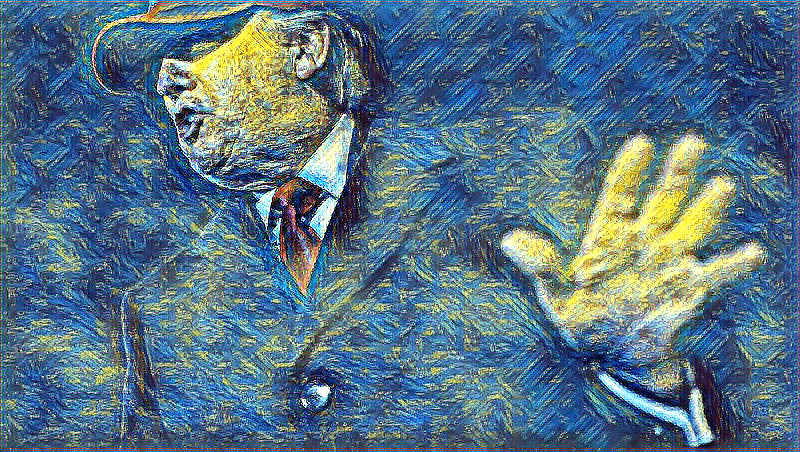
Donald Trump's increasingly erratic political behavior is creating significant internal pressure and strategic challenges for the Republican Party (GOP), forcing members to weigh loyalty against their own political interests ahead of the 2026 midterms.
The Mandate vs. Political Reality
Following the 2024 election, Trump asserted that his victory provided him with an “unprecedented and powerful mandate.” While some GOP lawmakers embraced this narrative, arguing they should fully support his agenda, political analysts suggest that his actions often contradict the party's broader interests, creating a difficult position for Republicans aiming to retain power.
Trump has utilized his perceived latitude to pursue policies and make statements that are often highly controversial and unpopular with the American public. This pattern of behavior suggests that his focus remains on personal power rather than the immediate political stability of the GOP.
Patterns of Unpredictable Conduct
Trump’s recent conduct has drawn criticism for its lack of consistency and its dramatic nature. Critics point to several areas of concern:
- Foreign Policy: His involvement in the Iran conflict has been characterized by shifting objectives and a lack of clear strategic planning. He has issued highly inflammatory statements regarding potential military action.
- Territorial Claims: In early 2026, he engaged in a public, though ultimately unsuccessful, effort to gain control of Greenland, an idea that was widely dismissed by observers.
- Controversial Statements: His public remarks have included highly inflammatory comments, such as suggesting the death of former FBI Director Robert Mueller was positive, or making seemingly blasphemous posts, which he later attempted to explain away.
- Public Rhetoric: He has also made callous comments regarding the deaths of public figures, further fueling debates about his mental acuity.
The GOP's Strategic Dilemma
These actions have prompted warnings from former allies and political commentators, who have questioned the president's stability. The concerns about his mental acuity are reflected in recent polling, with a majority of Americans, including a significant portion of Republicans, agreeing that he has become erratic with age.
Despite the internal warnings, the GOP faces limited options for controlling his authority:
- Legislative Pushback: Some Republicans have begun signaling resistance to specific administration actions, such as questioning the requested funding for military operations.
- Institutional Checks: However, attempts to use formal mechanisms like impeachment or the 25th Amendment are considered politically unlikely given the current party dynamics.
Ultimately, the party's future success hinges on whether its members can distance themselves from his most controversial actions without undermining their own political viability.