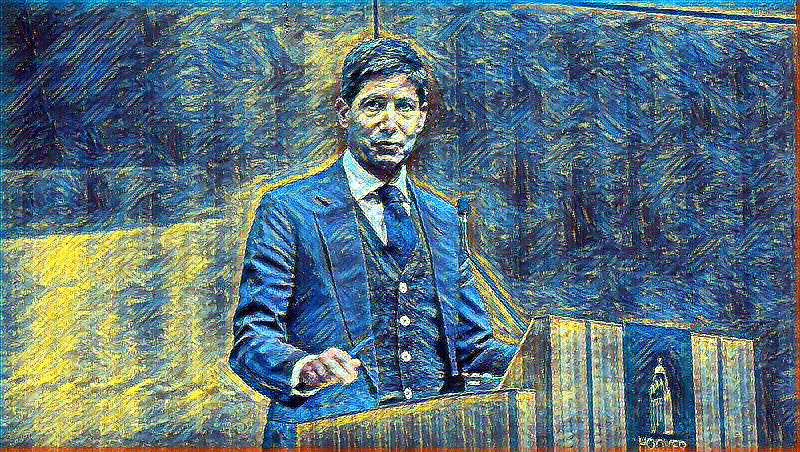
Kevin Warsh's confirmation hearing before the Senate Banking Committee will test his vision for the Federal Reserve, pitting his calls for restraint against current economic pressures. Warsh, nominated by Donald Trump, has historically criticized the Fed for overreach, suggesting significant structural changes are needed for the world's most powerful central bank.
Warsh's Critique of the Federal Reserve
Warsh has repeatedly argued that the Federal Reserve has assumed excessive powers, particularly following the 2008 global financial crisis. His proposed vision centers on a leaner, more disciplined central bank.
Key areas of his critique and proposed changes include:
- Balance Sheet Reduction: He advocates for significantly shrinking the Fed’s massive portfolio, which has expanded dramatically since 2008 and again during the pandemic.
- Restraint Over Intervention: Warsh favors a policy stance emphasizing caution and reduced intervention, contrasting with the expansive measures taken in recent years.
- Structural Reform: He has suggested a need for a broader 'regime change' within the institution, implying significant personnel adjustments.
Policy Implications: Rates and Balance Sheet
Warsh has linked the reduction of the Fed's balance sheet to the potential for lower borrowing costs. He argued that the current 'bloated' portfolio, designed for crisis management, could be scaled back to support households and small businesses through lower interest rates.
- Rate Outlook: While Trump signaled an expectation for lower borrowing costs, current economic indicators, such as the Consumer Price Index (CPI) surge, make immediate rate cuts difficult.
- Current Consensus: Most current Fed officials, including those who previously favored rate cuts, have signaled that maintaining a steady policy is the best immediate strategy.
Potential Staffing and Governance Changes
Beyond policy, Warsh has targeted the internal structure of the Fed. During a Fox Business interview, he stated the Fed had 'lost its way' and that changes were needed across its personnel and models.
- Workforce Reduction: He hinted at trimming staff, suggesting that the central bank has 'plenty of deadwood.' This contrasts with current plans, such as those previously announced by Fed Chair Jerome Powell, which involve gradual workforce reductions.
- Governance: The Fed's rate decisions require consensus among its 12-person committee, meaning the Chair does not possess unilateral power to dictate policy direction.