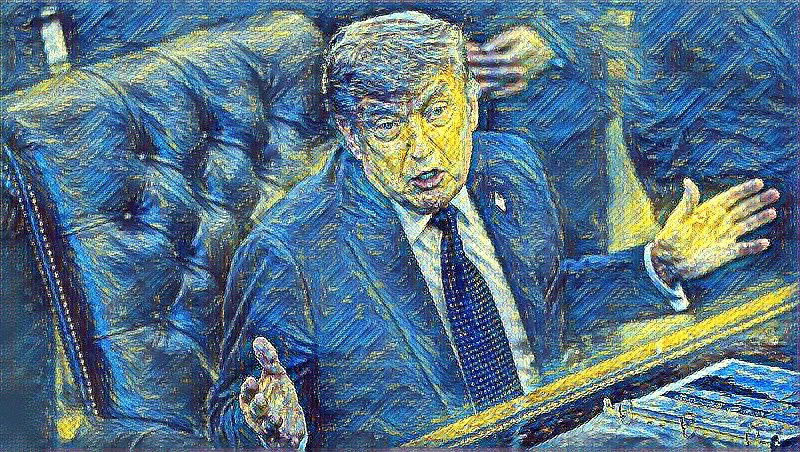
Amid escalating tensions with Iran, President Donald Trump repeatedly asserts that he controls the pace of any conflict, despite mounting international and domestic pressures. The core question remains whether his insistence on having unlimited time is a genuine statement of strength or a deflection from growing political vulnerability.
The Stalemate in the Strait of Hormuz
The conflict has reached an eight-week mark, characterized by a deepening stalemate. Key flashpoints include:
- Iran's Actions: Iran continues to increase global fallout by restricting passage through the Strait of Hormuz.
- US Strategy: Trump has attempted to exert economic pressure via a maritime blockade.
- The Core Conflict: The outcome hinges on which side possesses greater political endurance.
Trump publicly stated, "I have all the time in the World, but Iran doesn’t," while telling reporters, "Don’t rush me."
Contradictions and Mounting Pressure
Analysts note that Trump's statements have been marked by contradictions, which undermines his credibility. Furthermore, the assertion of having unlimited time may be an attempt to mask increasing pressure on the administration as the conflict drags on.
- Geopolitical Assessment: Some experts suggest Iran believes it has the upper hand, capable of sustaining conflict by making the cost too high for the adversary to continue.
- Operational Reality: Despite claims of 'total control' over the Strait of Hormuz (a vital conduit for 20% of global oil), reports indicate Iranian naval activity and potential logistical hurdles, such as mine clearance, complicate the blockade.
Domestic Political Headwinds
Trump's second audience is the American public, whose support for the war is reportedly waning. The initial timeline suggested by the White House (four to six weeks) has proven inaccurate, suggesting a prolonged engagement.
- Public Opinion: Recent polling indicates low public satisfaction with the military operations' success.
- Historical Comparisons: Trump has drawn comparisons to past US conflicts (Vietnam, Iraq, Korea) to frame the current situation as temporary, though such analogies are questioned by observers.
Strategic Implications and Risks
Trump has argued that a US blockade would cripple Iran's economy and that the regime is internally fractured. However, critics point to potential strategic oversimplifications:
- Adversary Perception: The strategy assumes a logical response from Iran based on economic prosperity, which may not align with the revolutionaries' core objectives.
- Policy Trend: The situation risks repeating a pattern of prolonging conflicts to avoid the political stigma of defeat.
Ultimately, the analysis questions whether Trump's declaration of immunity from time pressure is a genuine strategic assessment or a political maneuver to manage domestic expectations amidst a protracted and unpopular foreign policy endeavor.