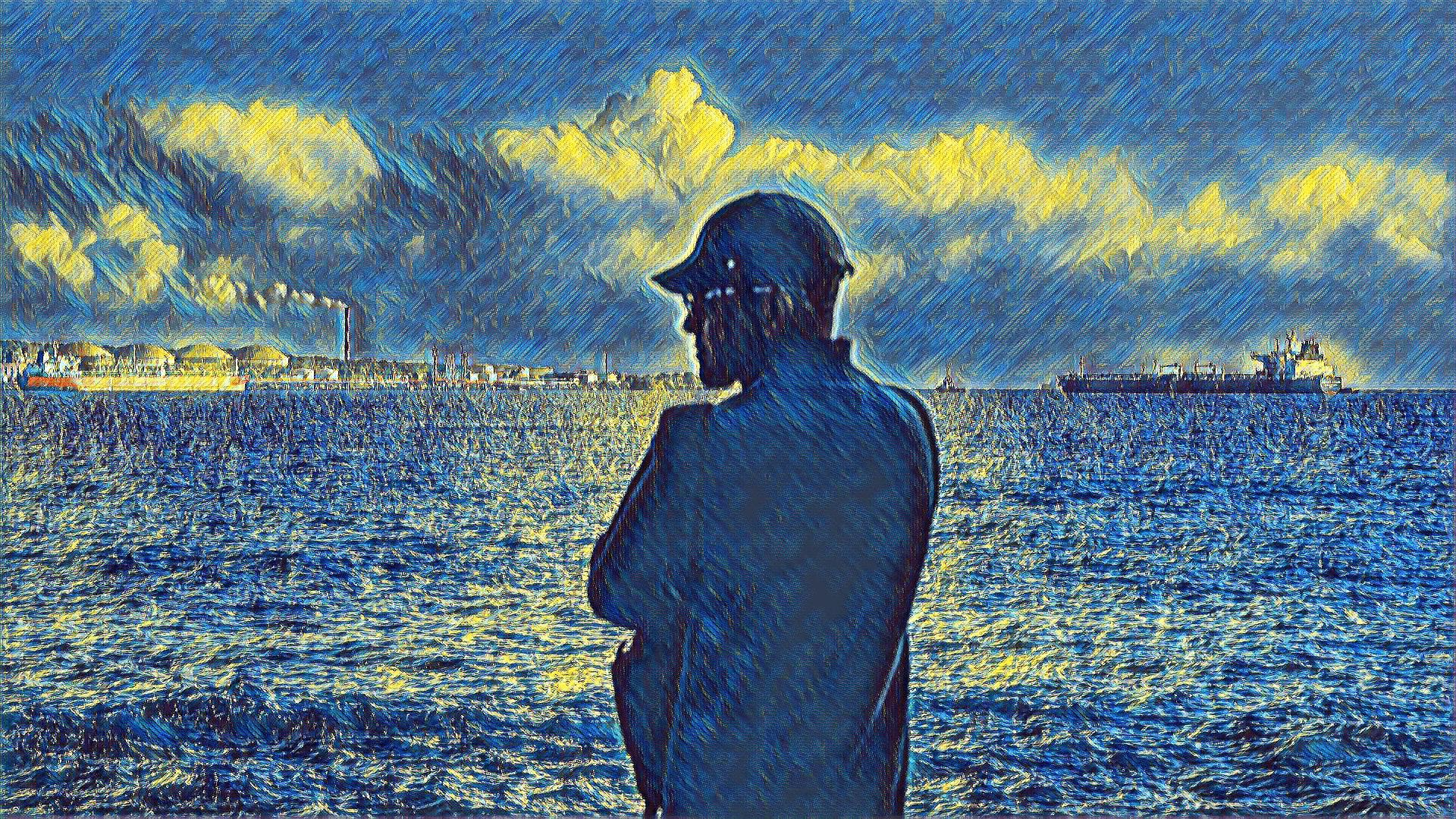
The Trump administration is employing energy shipments as a geopolitical tool, simultaneously enforcing blockades in the Strait of Hormuz and imposing restrictions on Cuba, testing the limits of U.S. maritime authority.
Blockades on Opposite Fronts
The U.S. has initiated actions on two distinct global fronts: a naval blockade targeting Iranian vessels near the strategically vital Strait of Hormuz, and a de facto fuel blockade concerning Cuba.
- Strait of Hormuz: The blockade aims to exert economic pressure on Iran and address the ongoing Middle East crisis. China has voiced concern over this action, labeling it "irresponsible and dangerous," given its status as a major buyer of Iranian crude.
- Cuba: The U.S. has imposed restrictions on fuel supplies to the Caribbean island. Russia has already challenged this by delivering a shipment of 100,000 tons of crude oil to Cuba, despite U.S. sanctions.
Challenges to U.S. Authority
Sanctions experts suggest these dual blockades raise questions about the administration's willingness to confront challenges to its maritime power, particularly ahead of upcoming high-level diplomatic meetings.
Contradictions in Enforcement
Sanctions experts point to perceived inconsistencies in U.S. enforcement. One analysis noted that a Russian oil tanker docking in Cuba occurred in direct violation of U.S. sanctions, yet the administration appeared hesitant to enforce penalties against subsequent vessels.
Geopolitical Implications for China
Concerns are mounting regarding potential escalation, especially involving Chinese interests. Experts suggest that a more dangerous escalation scenario in Hormuz might involve a vessel flagged or linked to China carrying Iranian oil. This scenario could place the U.S. in a highly precarious position just before potential talks between U.S. and Chinese leaders.
International Reactions and Outlook
- Iran's Stance: Following a ceasefire announcement between Israel and Lebanon, Iran declared the Strait of Hormuz "completely open" to all commercial traffic.
- China's Criticism: China has been sharply critical of the Hormuz blockade, stating that the action risks undermining an "already fragile ceasefire situation."
- Diplomatic Context: These actions are viewed against the backdrop of anticipated summits, including a meeting between President Trump and Chinese President Xi Jinping.