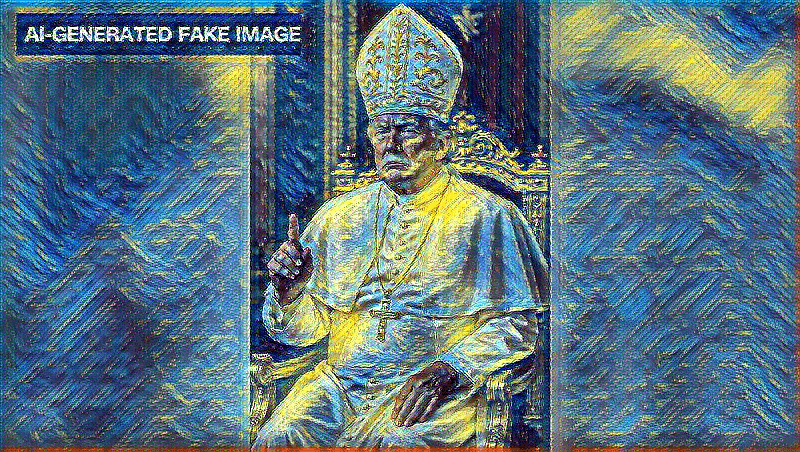
Trump, Deepfakes, and Memes: The New Frontier of Political Influence
The analysis examines the rise of deepfake memes and synthetic content featuring Donald Trump, identifying them as powerful tools in modern political communication. These images are categorized by experts into types such as 'Fanfakes' (positive, supportive portrayals) and 'Foefakes' (negative, satirical content). Analysts argue that these memes are not merely jokes, but strategic methods used to shape cultural discourse and mobilize political bases. The content highlights that the ability to create and disseminate compelling, yet fabricated, narratives is a defining characteristic of contemporary political influence, regardless of the figure involved.
Ad slot
The proliferation of deepfake images and synthetic content featuring Donald Trump highlights a critical shift in modern political communication. These AI-generated memes are analyzed not merely as jokes, but as potent, strategic tools capable of shaping cultural discourse and mobilizing political bases.
Understanding Synthetic Political Content
Deepfakes refer to AI-generated media, but the term encompasses a broader range of manipulated content. Experts categorize these images based on their intent and realism:
Darkfakes: Deceptive, realistic synthetic images designed to portray an opponent negatively.
Glowfakes: Positive, enhancement-style images that make a subject appear better than reality.
Foefakes: Obviously fake, but used to troll or portray an opponent in a negative light.
Fanfakes: Images that place a figure on a pedestal, amplifying enthusiasm and support among a base, regardless of their factual basis.
Ad slot
The Strategic Use of Memes in Politics
Political analysts note that memes function as powerful visual communication methods, allowing ideas to be seeded into the cultural discourse without the need for overt, specific statements. The content surrounding Donald Trump demonstrates a unique relationship with his supporters, who view him both as an everyman and an exalted hero.
Mobilization: Supporters utilize fanfakes to build a sense of shared mythology, depicting him in heroic or godlike roles (e.g., as a Founding Father or a divine figure).
Trolling and Opposition: Opponents, or those seeking to mock, utilize foefakes, such as depicting him in satirical or absurd scenarios (e.g., as Marie Antoinette).
International Reach: The phenomenon is not limited to the U.S., with examples of foreign state actors using deepfakes to comment on American political figures.
The Impact on Discourse
Experts argue that the aggregate impact of these images is significant. While individual memes may seem unserious or silly, they contribute to a pervasive narrative that shapes how people perceive reality. This ability to influence thought, even through seemingly trivial content, underscores the evolving nature of political campaigning in the digital age. The content demonstrates that for some political figures, the ability to amplify and control the narrative through viral, synthetic media is a core element of their communication strategy.