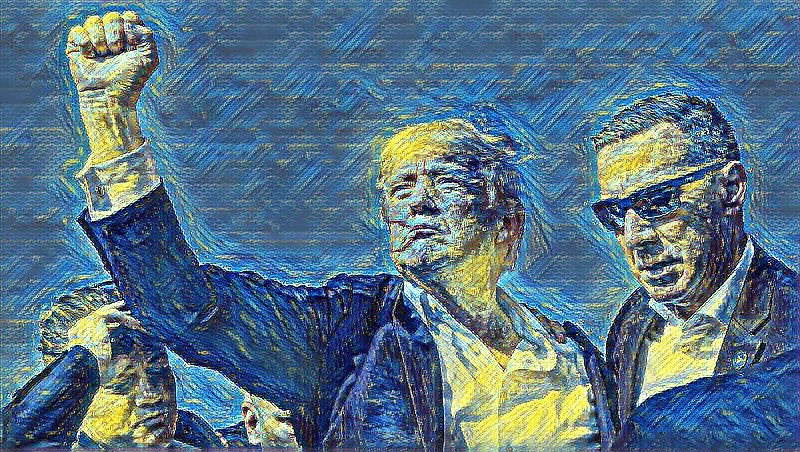
Donald Trump's embrace of conspiracy theories, once a political tool, is now reportedly being turned against him by some of his own allies. The narrative suggests that skepticism surrounding recent events, such as the Butler assassination attempt, is fueling new theories targeting the former president.
The Rise of Internal Skepticism
Trump has built a political career partly by promoting various theories, ranging from the 'birther' claims against Barack Obama to narratives surrounding the 2020 election. While some high-profile allies have remained loyal, others, particularly those from the more conspiratorial wing of his base, are now publicly questioning him.
Key figures reportedly fueling this shift include:
- Marjorie Taylor Greene
- Tucker Carlson
- Various influential podcasters
These individuals have begun disseminating anti-Trump theories to their audiences, creating internal friction within the Trump support base.
Emerging Conspiracy Narratives
Several suspicious theories are gaining traction online, though concrete evidence of foul play remains absent. The most prominent narratives include:
- The Butler Assassination Attempt: Questions persist regarding the staging of the 2024 assassination attempt in Butler, Pennsylvania.
- Foreign Influence: Theories suggest Trump is compromised or beholden to Israel.
- Loyalty Questions: Doubts have been raised regarding the loyalty of Trump and his administration to the Republican party.
- Theological Claims: Some discussions have touched upon the theory that Trump could be the antichrist.
Key Voices and Allegations
Several public statements have amplified these doubts:
- Joe Kent: A former counterterrorism official cited the Iran war, claiming that investigations into the Butler incident have been suspiciously stifled.
- Marjorie Taylor Greene: Stated that while she wasn't calling the Butler event a 'hoax,' there were numerous questions demanding public answers.
- Tucker Carlson & Candace Owens: These commentators have linked the questioning to Israel, suggesting potential foreign influence over the U.S. government.
- Podcasters: Figures like Joe Rogan and Tim Dillon have publicly questioned the official accounts of the Butler incident, with some explicitly suggesting it may have been staged.
The Israel Connection and Compromise Theories
The theme of foreign influence, particularly involving Israel, is a recurring element. Carlson reportedly suggested that the lack of a thorough investigation into the Butler incident points to Israeli influence. Furthermore, other commentators have suggested Trump is compromised by Israel or other powerful entities, with one podcaster even suggesting his actions regarding the Iran war were influenced by Israel.
Political Implications
Historically, Trump’s willingness to engage with conspiracy theories was a defining political move. However, the current situation shows that these theories are becoming a potent, destabilizing political tool. While some skeptics may only be making noise, the persistence of these narratives—especially those involving familiar culprits like Israel and familiar scenarios like attempted assassinations—suggests they may gain deeper traction among less politically engaged voters.