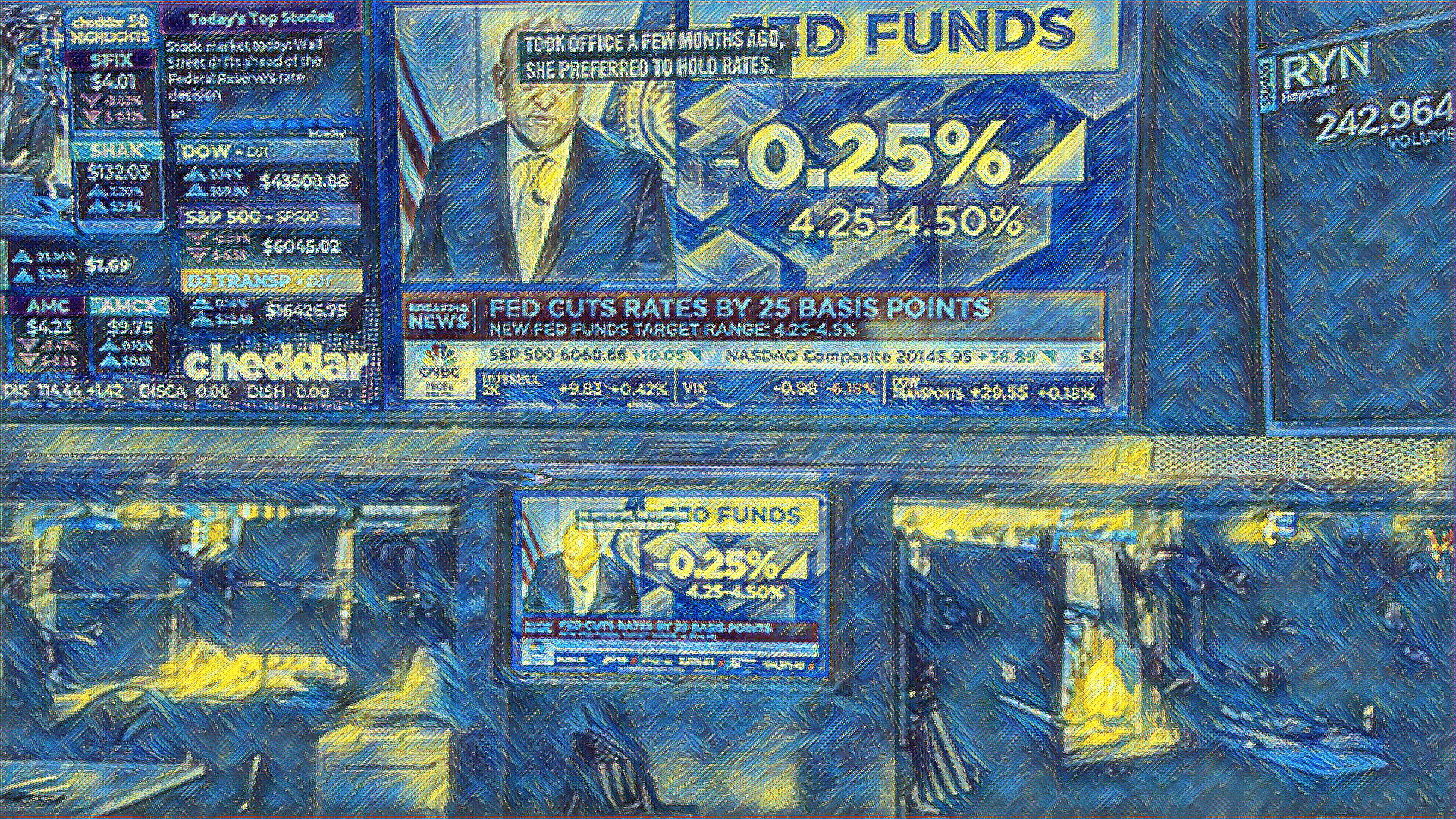
Following a more hawkish-than-expected stance from the Federal Reserve, the stock market experienced a notable correction, suggesting it is finally aligning with concerns previously signaled by the bond market.
Fed Policy Shift and Market Volatility
The Federal Reserve signaled a shift toward a more cautious monetary policy, adjusting expectations for rate cuts from four in 2025 down to two or fewer. While the magnitude of the resulting moves in stocks, the dollar, and bond yields surprised some, the market's positioning was noted as being extremely stretched.
- Volatility Spike: The CBOE Volatility Index (VIX) recorded a rare one-day move of 60%, rising from 15 to 27.
- Market Observation: Experts suggest the stock market is now beginning to reflect concerns that the bond market had been signaling regarding inflation, deficits, and tariffs.
Divergence Between Stocks and Bonds
Bond market indicators have been raising alarms over several key economic areas, which the stock market had largely overlooked. These concerns include:
- Persistent inflation, which remains above the Fed's 2% target.
- Rising government deficits.
- Potential impacts from tariffs.
- The implications of tax cuts.
Jeff Gundlach highlighted a significant divergence: despite the Fed cutting short-term rates by 100 basis points since September, the 10-year Treasury yield has risen by over 80 basis points, indicating ongoing bond market inflation concerns.
Key Concerns Highlighted by Analysts
Federal Reserve officials and financial analysts pointed to structural fiscal issues as major sources of future instability:
- Interest Expense: Gundlach emphasized the escalating cost of servicing national debt, noting the annual interest expense has risen dramatically (from $300 billion to $1.3 trillion), suggesting future rate hikes could force greater government spending.
- Powell's Caution: Fed Chair Powell advised caution, stressing the need to monitor progress on inflation.
- Tariff Uncertainty: Powell also noted that tariffs introduce uncertainty into the inflation outlook.
Market Structure and Near-Term Outlook
Even before the Fed meeting, signs of stress were visible in the broader market, characterized by poor breadth and high dispersion.
- Sector Performance: The market showed a pattern where mega-cap technology stocks outperformed significantly, while most other sectors lagged.
- Bullish Arguments: Optimists point to three potential catalysts for a short-term rally:
- The initial reaction to Fed meetings can sometimes be inaccurate.
- The market is entering one of the strongest two-week periods of the year.
- The upcoming Personal Consumption Expenditures (PCE) data, which the Fed favors, could signal improvement.
Conversely, a significantly higher-than-expected PCE reading could fuel further sell-offs.