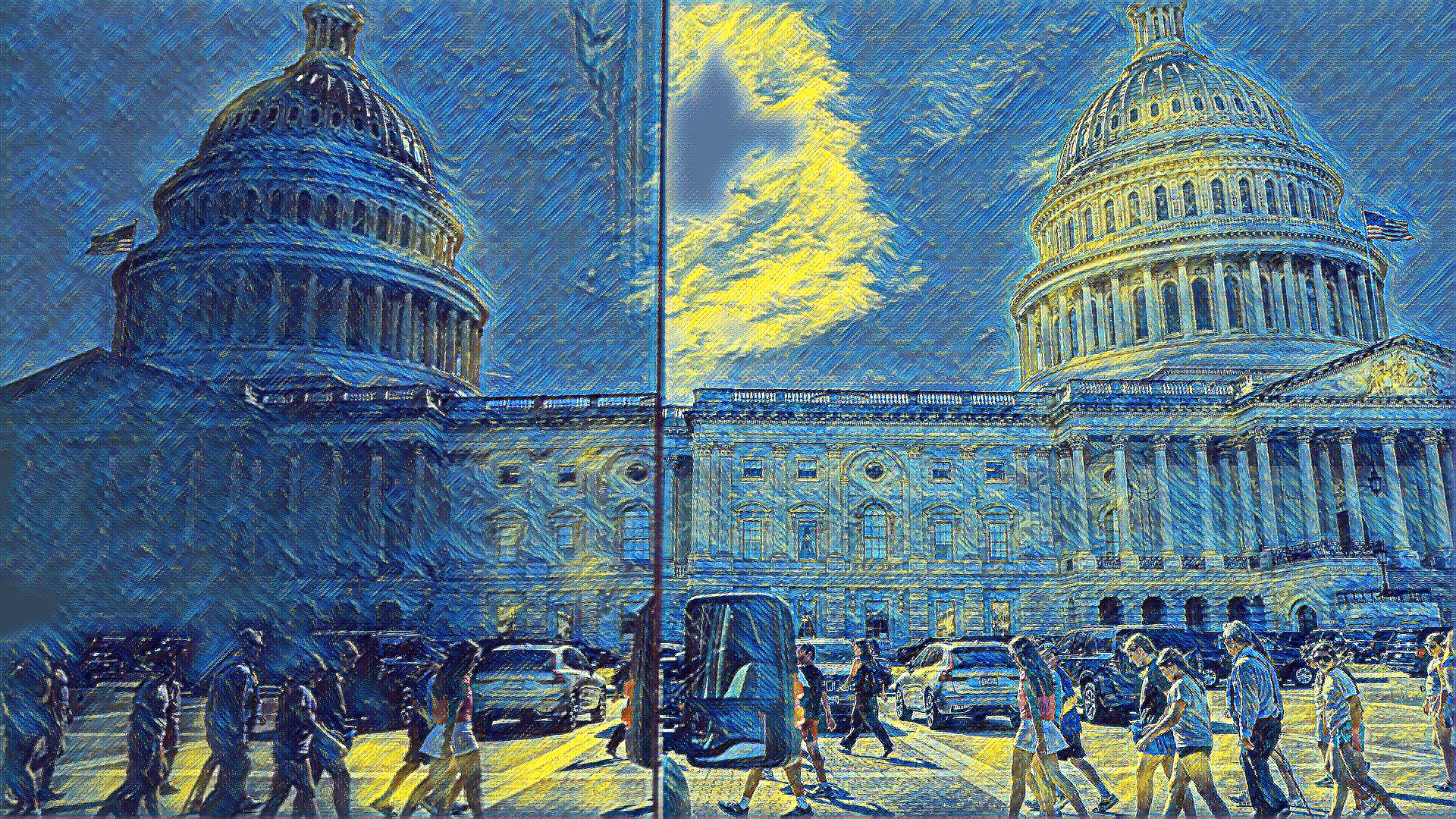
The S&P 500 index is rallying toward all-time highs, driven by market speculation that diplomatic negotiations between the U.S. and Iran are advancing. However, this market optimism is severely challenged by escalating geopolitical risks in the Middle East. Following the stalling of talks, the U.S. announced a blockade of the Strait of Hormuz, a vital passage responsible for 20% of global oil supply. Experts warn that this blockade could trigger a global recession and cause a systemic jet fuel shortage in Europe. Further regional tensions persist, notably the conflict between Israel and Lebanon, while major powers like the U.S. and China are increasing accusations regarding energy supply manipulation. Meanwhile, corporate news highlighted Meta and Broadcom extending a partnership to develop advanced AI accelerators.
Ad slot
Despite the S&P 500 pushing toward all-time highs fueled by hopes of a U.S.-Iran agreement, significant geopolitical instability, particularly the blockade of the Strait of Hormuz, casts a deep shadow over global economic forecasts.
Market Rally Driven by Diplomatic Hopes
The stock market has continued its upward trajectory, with investors betting on the potential for a breakthrough agreement between Washington and Tehran. The S&P 500 index has marked its ninth positive session in the last 10 days, while the technology-heavy Nasdaq extended its streak to ten consecutive advances. These market movements were spurred by reports that a second round of negotiations between the two nations was under discussion.
Escalating Geopolitical Risks
However, the optimism surrounding the market is tempered by severe and unresolved tensions in the Middle East. Talks between U.S. and Iranian negotiators in Islamabad stalled last weekend, leading to a major escalation in regional conflict.
Strait of Hormuz Blockade: Following the stalled talks, President Trump announced a U.S. blockade of the Strait of Hormuz, a critical global trade route. This strait is responsible for transporting an estimated 20% of the world's oil supply.
Enforcement: Over 10,000 U.S. sailors, Marines, and airmen are currently enforcing the blockade, supported by numerous warships and aircraft.
Economic Warning: Experts warn that the blockade poses systemic risks to the global economy. Citadel CEO Ken Griffin cautioned that a prolonged disruption could push the world toward a recession. Furthermore, the persistence of the blockade threatens a 'systemic' jet fuel shortage in Europe's airline industry.
Ad slot
Regional Conflicts and Global Tensions
The conflict zone remains volatile, with multiple flashpoints contributing to global uncertainty:
Israel-Lebanon Tensions: A key sticking point in the ceasefire negotiations has been the ongoing conflict between Israel and Lebanon. U.S. Secretary of State Marco Rubio recently hosted direct talks between the two nations, though a clear path to peace remains uncertain.
Great Power Rivalry: Tensions are rising among major global powers. U.S. Treasury Secretary Scott Bessent accused China of being an unreliable global partner during the Middle East crisis, alleging that Beijing is hoarding oil supplies and imposing export restrictions.
Corporate Developments
In separate corporate news, major tech players announced strategic partnerships:
Meta and Broadcom: The two companies extended their partnership to develop Meta's custom in-house AI accelerators through 2029.
Board Changes: Separately, Meta reported that Broadcom's CEO, Hock Tan, informed Meta last week that he would not be seeking reelection to the company's board.