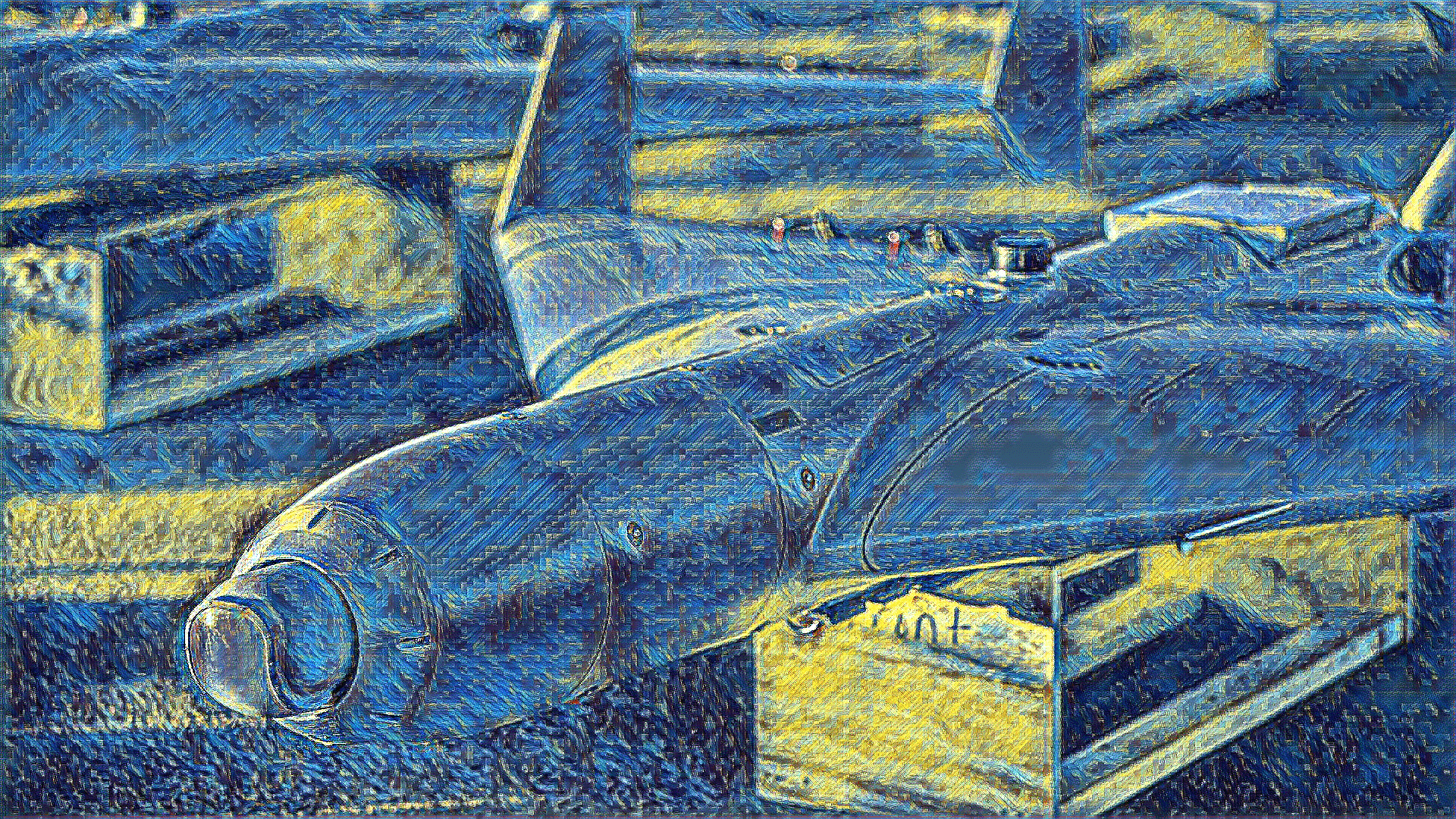
The future of air power is shifting toward autonomous platforms, and industry expert Matt George suggests the United States may no longer hold a definitive lead in this domain. Speaking at CNBC's CONVERGE LIVE event, George highlighted how low-cost, unmanned systems are reshaping modern conflict dynamics.
The Rise of Low-Cost Autonomous Systems
George, CEO of Merlin Labs, pointed to ongoing conflicts in Ukraine and Iran as prime examples of this technological shift. He noted that small and medium-sized autonomous platforms are dominating these theaters of war.
These autonomous systems encompass drones used for:
- Reconnaissance.
- Directly attacking military targets with carried payloads.
These platforms offer significant advantages over traditional weaponry:
- Lower Cost: They are vastly cheaper to operate.
- Rapid Deployment: They can be deployed much faster than conventional assets.
This trend is compelling Western militaries to reassess their defense spending priorities.
Vulnerability of High-End Assets
Merlin Labs' CEO emphasized that even advanced, manned military platforms are proving vulnerable to inexpensive countermeasures. George stated that adversaries are successfully threatening large aircraft using:
- Low-cost munitions.
- Electronic warfare tactics.
He cited recent examples to illustrate this point:
- Ukraine: Utilized Turkish Bayraktar TB2 drones early in the Russia-Ukraine conflict. Russia has employed Iranian-made Shahed-136 drones and its own Lancet drones against Ukrainian targets.
- Middle East: Iran deployed Shahed drones in retaliation against Gulf nations following U.S. and Israeli airstrikes in February.
- Recent Incidents: In June 2025, Ukraine reportedly launched a large drone attack against Russian air assets, damaging over 40 planes. Furthermore, Iran reportedly used drones to strike U.S. aircraft in Saudi Arabia, targeting refueling tankers and early warning aircraft.
Industry Outlook
George concluded that while the U.S. possesses significant air power capabilities, the industry must invest heavily in these autonomous capabilities to maintain a leading edge.