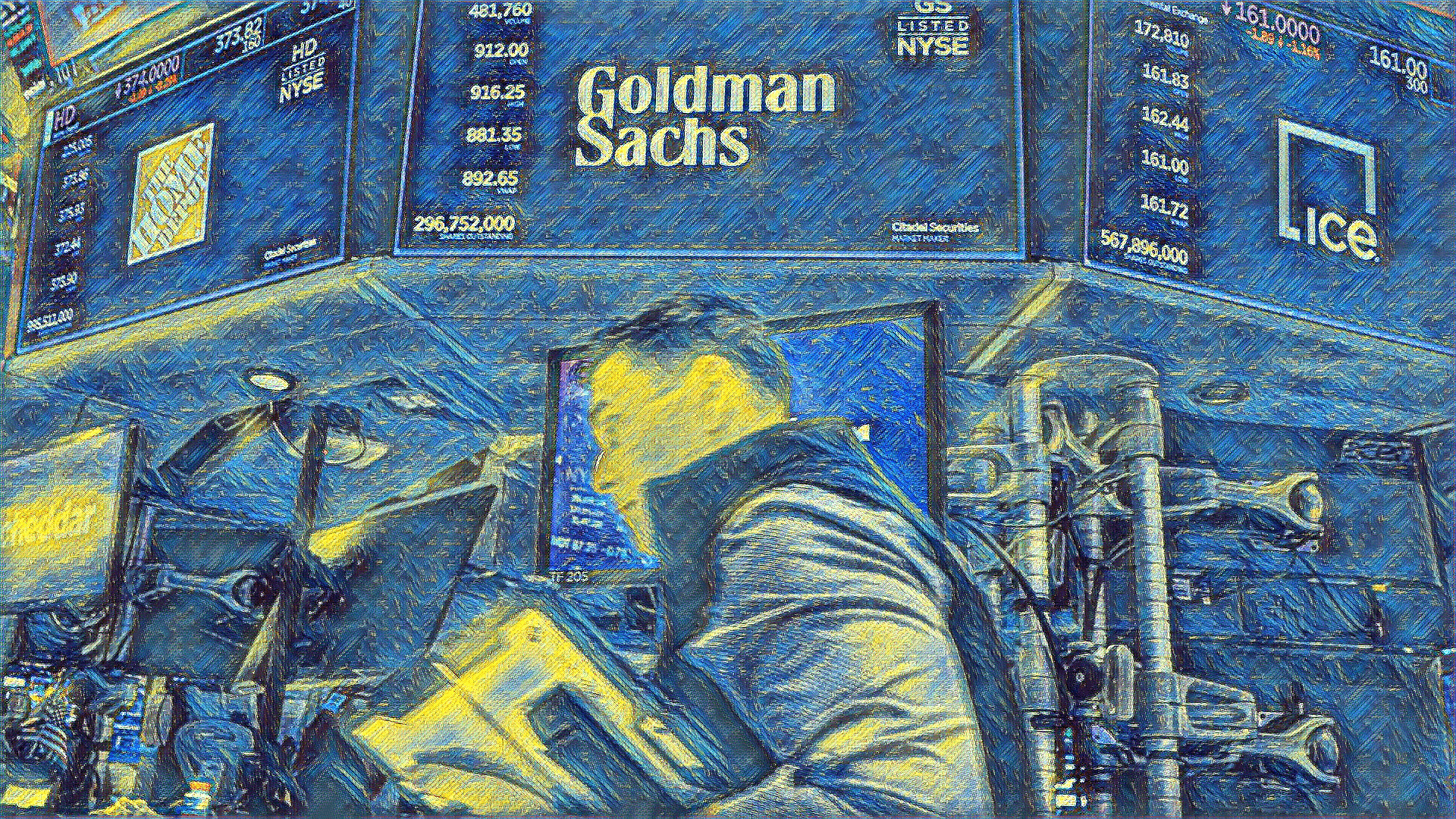
Market Watch: Geopolitics, Earnings Season, and PPI Data Drivers
The stock market is currently navigating a period of significant uncertainty, driven by three major factors: geopolitical tensions, the start of earnings season, and key inflation data releases. Geopolitical instability, particularly concerning the Strait of Hormuz, continues to influence global oil prices and market sentiment. Corporate earnings reports from major firms like Goldman Sachs, Wells Fargo, and Johnson & Johnson are providing critical insights into the economic health of various sectors, with investors focusing on dealmaking activity and exposure to non-depository financial institutions. Furthermore, the release of the Producer Price Index (PPI) is highly anticipated, as it serves as a leading indicator of wholesale inflation, suggesting potential future cost increases for consumers.
Ad slot
Investors are navigating a week of heightened uncertainty, driven by stalled peace talks in the Middle East, the commencement of corporate earnings season, and critical inflation data releases.
Geopolitical Tensions and Oil Markets
The week's market focus is heavily influenced by the ongoing geopolitical instability stemming from the Iran conflict. Peace talks between the U.S. and Iran, held in Pakistan, reportedly failed to establish a long-term ceasefire agreement, increasing regional volatility.
Strait of Hormuz Risk: The vital Strait of Hormuz, a critical transit route for approximately 20% of global oil exports, remains a key concern. Following the breakdown of talks, concerns persist regarding potential supply disruptions.
Market Barometer: The oil market is expected to serve as a primary barometer for how investors view the likelihood of a firm resolution to the conflict, given the historical impact of supply interruptions on global energy prices.
Corporate Earnings Season Begins
With the start of earnings season, investors are closely monitoring major financial and pharmaceutical firms for signs of economic resilience amid global uncertainty. Key reports are scheduled for Monday and Tuesday.
Goldman Sachs (GS)
Ad slot
Analysts will focus on two main areas following Goldman Sachs' report:
Dealmaking Environment: Assessing whether the uncertainty surrounding the conflict has dampened investment banking activity, particularly in mergers, acquisitions, and IPO pipelines.
Trading Desk Performance: Evaluating how the firm's trading desks have performed amidst war-fueled volatility across various asset classes (stocks, bonds, commodities).
Wells Fargo (WFC)
Wells Fargo's report is anticipated against a backdrop of investor caution. Key areas of scrutiny include:
NDFI Exposure: Concerns regarding the bank's relatively large exposure to Non-Depository Financial Institutions (NDFIs), such as mortgage companies and private asset managers.
Net Interest Income (NII): Any positive indications regarding the bank's NII outlook will be viewed favorably, especially as the bank operates without a Federal Reserve-imposed asset cap.
Johnson & Johnson (JNJ)
For pharmaceutical stocks, J&J is a key focus. Investors are watching its pipeline and strategic moves:
Key Drugs: Attention is focused on the performance of major drugs, including Darzalex (for multiple myeloma) and Tremfya (an injectable therapy for inflammatory conditions).
Growth Potential: Analysts are keenly interested in the performance of its oral IL-23 inhibitor, Icotyde, and the overall health of its cardiovascular and vision care portfolios.
Inflation Data: The Producer Price Index (PPI)
On the inflation front, the Producer Price Index (PPI) is scheduled for release, serving as a crucial leading indicator for consumer inflation.
What is PPI? The PPI measures wholesale inflation—the cost producers pay for raw materials and inputs (like steel or energy).
Significance: Because businesses must pay for inputs, the PPI suggests whether these increased costs will eventually be passed on to consumers, influencing future consumer price reports.
Expectations: Economists anticipate the PPI will reflect the ongoing impact of global energy price fluctuations, particularly concerning diesel and gas fuels.