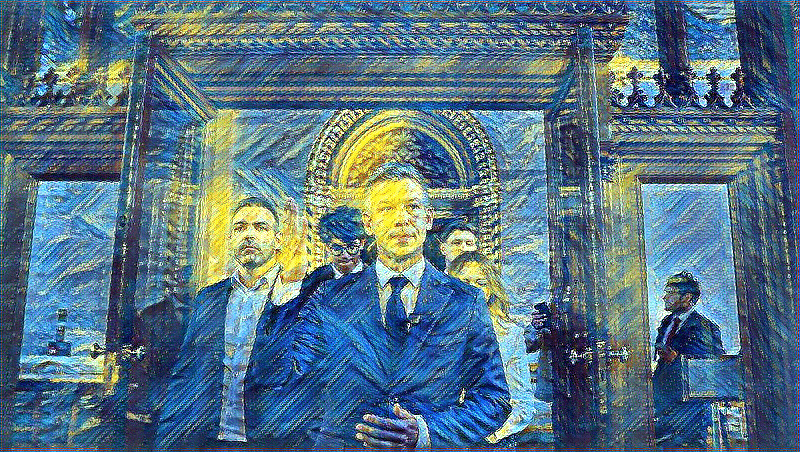
Magyar to Dismantle Orbán's Propaganda Machine in Hungary
Péter Magyar has begun dismantling the extensive propaganda network constructed by Viktor Orbán during his 16 years in power. Magyar publicly condemned state media, comparing its coverage to historical propaganda regimes, and vowed to end the "factory of lies." Experts note that while the victory signals a major shift, the challenge lies in reforming deeply entrenched media structures. The control was established through state advertising boycotts, legal amendments, and economic pressure on independent outlets. The transition requires time, particularly in convincing the public and reforming private sector influences, marking a significant, yet complex, step toward media transparency in Hungary.
Ad slot
Following Péter Magyar's victory, efforts have begun to dismantle the extensive 'propaganda machine' built by Viktor Orbán over his 16 years in power. Magyar has publicly criticized state media, comparing its coverage to propaganda from North Korea and Nazi-era Germany, signaling a major shift in Hungarian media landscape.
The Propaganda Machine and Public Impact
Magyar's ascent marks an attempt to dismantle the apparatus that helped Orbán secure four consecutive elections. The impact of this state-controlled narrative was profound, as evidenced by reports from the public.
Fear Among Older Generations: A financial analyst noted that in rural areas, older citizens, reliant on state media, were being fed narratives of extreme danger—such as economic collapse or war—if Magyar were to win.
'Alternate Reality': The propaganda was described as creating an 'alternate reality' for those consuming only state-controlled information.
Magyar's Direct Assault on State Media
In his initial days as prime minister-elect, Magyar has directly challenged the state media apparatus. During a highly visible appearance on the state-controlled M1 television network, he took several actions:
He reprimanded anchors for spreading what he termed "lies" regarding his family.
He explicitly stated that ending the "factory of lies" is a core element of his program, emphasizing the need for truthful public reporting.
Ad slot
Magyar suggested that the transition might feel like the end of a controlled reality show, warning that voters might experience "cognitive dissonance" as their established worldviews unravel.
Tactics of Control: How Orbán Built the System
Orbán consolidated power by exerting deep control over Hungary's media landscape after returning to office in 2010. This control was achieved through several mechanisms:
Legal and Political Measures: The Fidesz government amended the constitution and passed measures to limit pre-election advertising, targeting outlets sympathetic to the opposition.
Economic Coercion: State-owned banks provided favorable loans to allies, enabling them to acquire media outlets, which were then used to filter out negative news about the government.
Advertising Boycotts: The state, a major advertiser, began pulling ads from outlets deemed hostile to Fidesz, leading to the decline of independent stations like Klubradio.
Targeting Journalists: Investigative reporters who challenged the government faced professional repercussions, including investigations into their journalism.
The Path Forward: Challenges Ahead
Media experts caution that dismantling the system will be a protracted process. While Magyar's government can use its majority to undo constitutional changes and reform regulatory bodies, significant hurdles remain:
Private Sector Influence: The primary challenge lies with private entities, as Orbán's allies may continue to fund pro-government outlets.
Healing the Narrative: Experts suggest that the media must heal "organically" to resume its function of holding power accountable, a process that requires time and sustained effort.