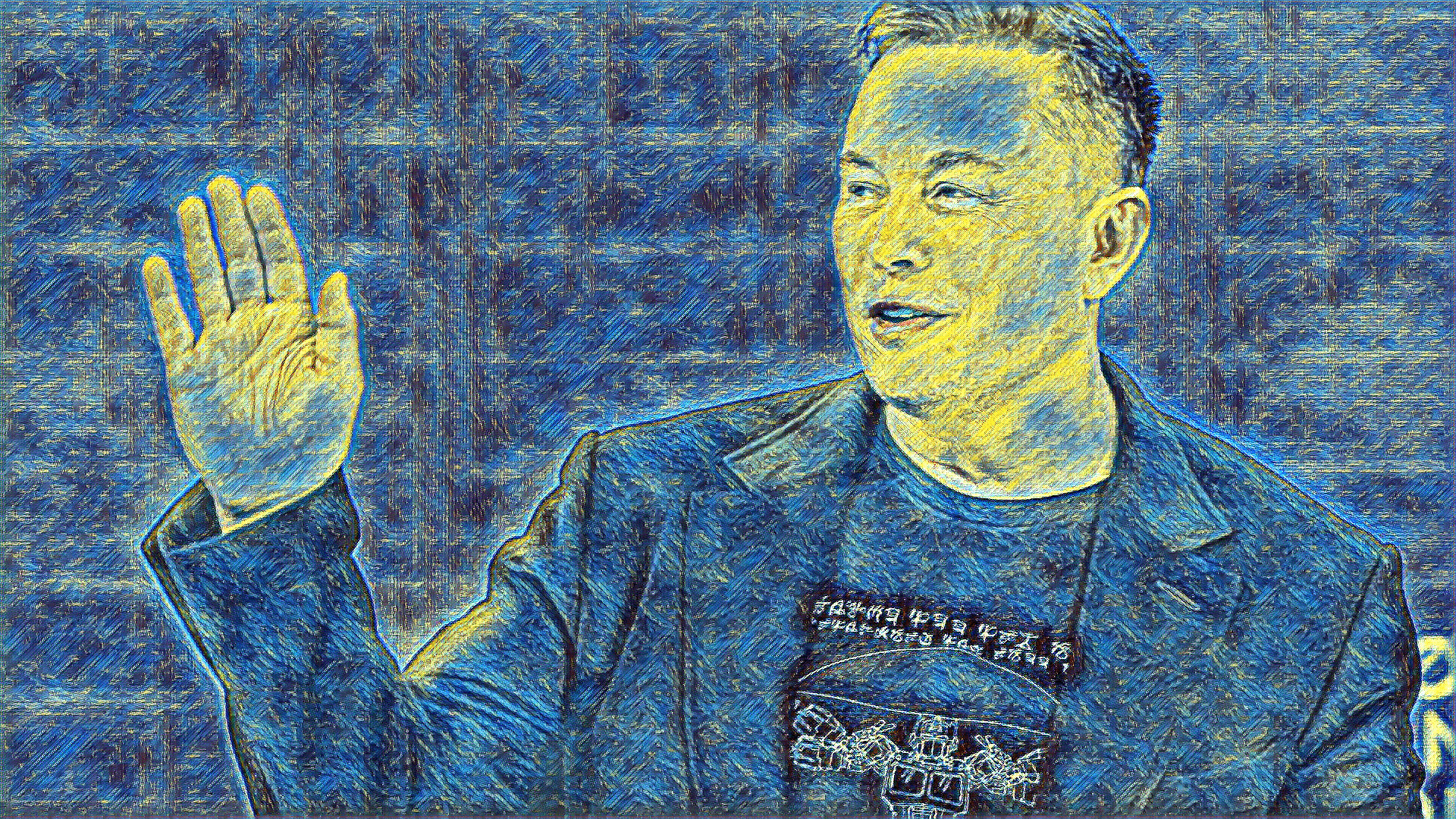
Jim Cramer upgraded Tesla to a 'buy' rating following the company's recent earnings call and Elon Musk's commentary, arguing that investors are overlooking the company's long-term technological potential.
Market Reaction to Q1 Results
Tesla reported mixed financial results on Wednesday evening. While the company posted first-quarter adjusted earnings per share of 41 cents, surpassing estimates of 37 cents, its revenue reached $22.39 billion, falling slightly short of the $22.64 billion estimate.
- Stock Performance: Shares declined nearly 4% on Thursday.
- Investor Concerns: The dip was attributed to rising capital expenditures and perceived slowdowns in key projects, such as robotaxis and full self-driving technology.
Cramer's Bullish Thesis: Long-Term Vision Over Short-Term Metrics
During his appearance on CNBC's "Squawk on the Street," Cramer maintained a bullish stance, suggesting that focusing solely on immediate results blinds investors to Tesla's future trajectory.
He emphasized that Musk's commentary reinforced this positive outlook, particularly regarding transformative technologies.
- Focus on Innovation: Cramer highlighted Musk's persistent emphasis on AI and robotics, rather than short-term optimization.
- Key Bets: The discussion centered on:
- Optimus Robot: The humanoid robot, which Musk has positioned as potentially the company's most significant product.
- Broader Ecosystem: Owning Tesla stock is increasingly viewed as a bet on Musk's wider technological ecosystem, including SpaceX and xAI.
Capital Expenditures and Autonomous Driving Timelines
Musk confirmed that Tesla plans to substantially increase capital expenditures, a move that reportedly caused investor concern regarding profitability and free cash flow. Cramer reframed this spending as a strategic investment necessary for future growth.
Furthermore, the market showed skepticism regarding the timeline for fully autonomous vehicles, as Musk indicated that fully unsupervised capabilities might not arrive until later in the year. Cramer advised investors not to focus only on immediate setbacks, suggesting the long-term vision outweighs current market jitters.