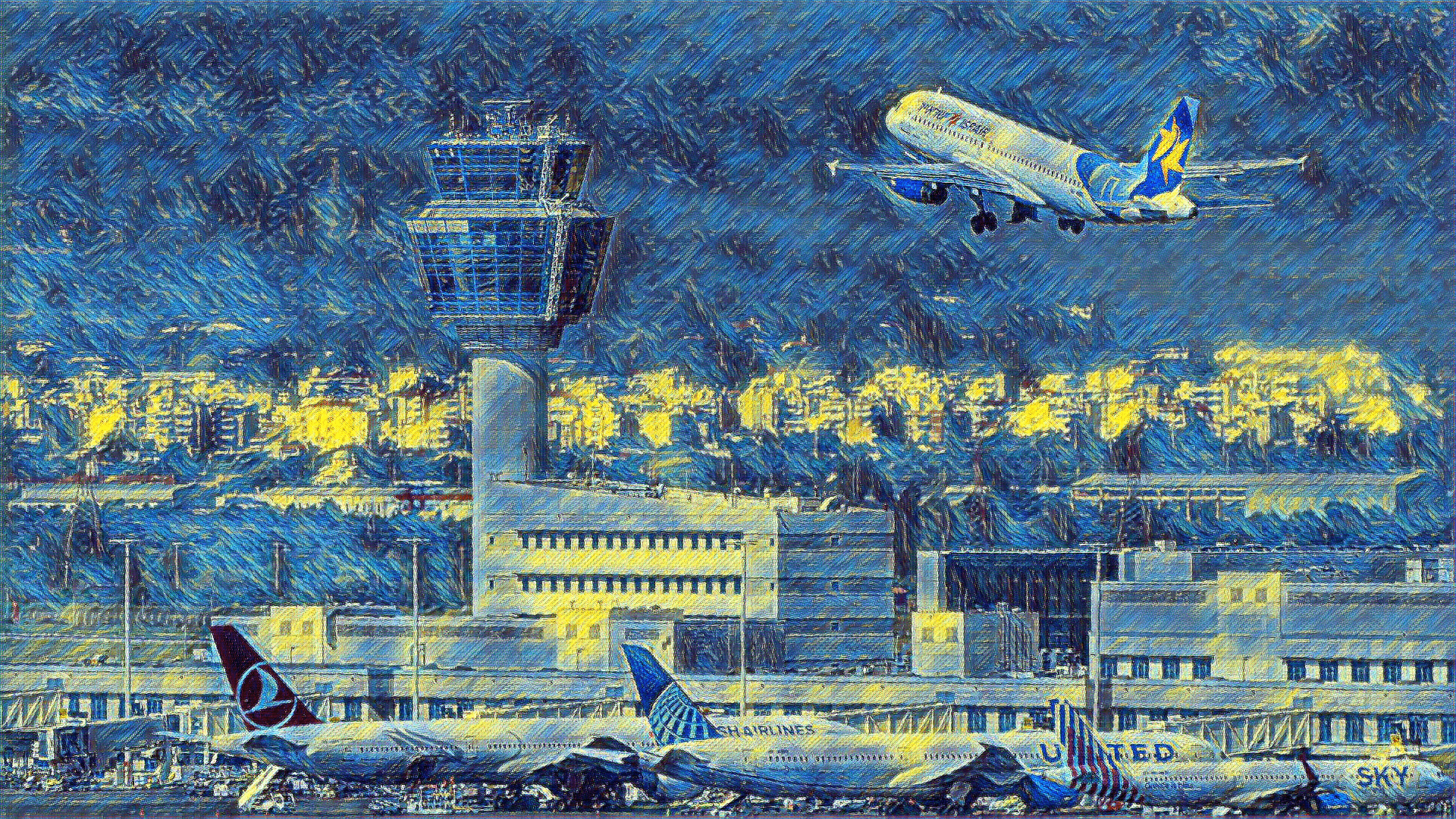
Concerns over dwindling jet fuel supplies, exacerbated by geopolitical instability in the Middle East, threaten to significantly disrupt Europe's highly anticipated summer travel season. The International Energy Agency (IEA) warns that Europe faces substantial challenges meeting rising demand due to supply constraints from key import regions.
Supply Crisis and Geopolitical Impact
The primary concern centers on the Strait of Hormuz, a critical global oil transit point. The IEA's chief, Fatih Birol, highlighted the dependency of Europe on external energy sources.
- Historical Reliance: Middle Eastern refineries traditionally supplied approximately 75% of Europe's jet fuel needs.
- Current Status: Production from these key facilities is reported to be near zero.
- Alternative Sources: Remaining supplies are sourced from Asian countries with export restrictions, forcing reliance on the U.S. and Nigeria. Birol cautioned that failure to secure additional imports would lead to significant difficulties for the continent.
Rising Demand vs. Supply Limitations
Demand for air travel is projected to increase sharply as the peak season approaches. Birol noted that jet fuel demand in August is estimated to be about 40% higher than in March. He stressed that Europe must secure alternative energy sources to manage this projected surge.
Industry Impact: Cost Hikes and Flight Cuts
The escalating fuel costs are placing immense financial pressure on the aviation sector, forcing airlines to make difficult operational adjustments.
- Financial Strain: Jet fuel prices saw a 103% increase by the end of March compared to the previous month. Since fuel accounts for 20% to 40% of airline revenue, rising costs push many carriers into operating losses.
- Industry Response: To maintain profitability, airlines must either raise ticket fares or reduce operational capacity by cutting flights and routes.
- Airline Actions: Several major carriers have already begun implementing cuts:
- Lufthansa: Cutting 20,000 short-haul flights through October to save fuel and eliminate unprofitable routes.
- SAS: Canceling 1,000 flights in April due to fuel expenses.
- KLM: Reducing capacity by 80 flights due to rising kerosene costs.
- EasyJet: Reported a headline loss of £540 million to £560 million for the six months ending March 31, noting additional fuel costs in March and weaker bookings for the remainder of the year.
Economic Implications for Europe
Air connectivity is vital to the European economy, generating an estimated 851 billion euros (nearly $1 trillion) in GDP and supporting 14 million jobs. The potential for reduced air travel poses a significant threat to regional economic stability.