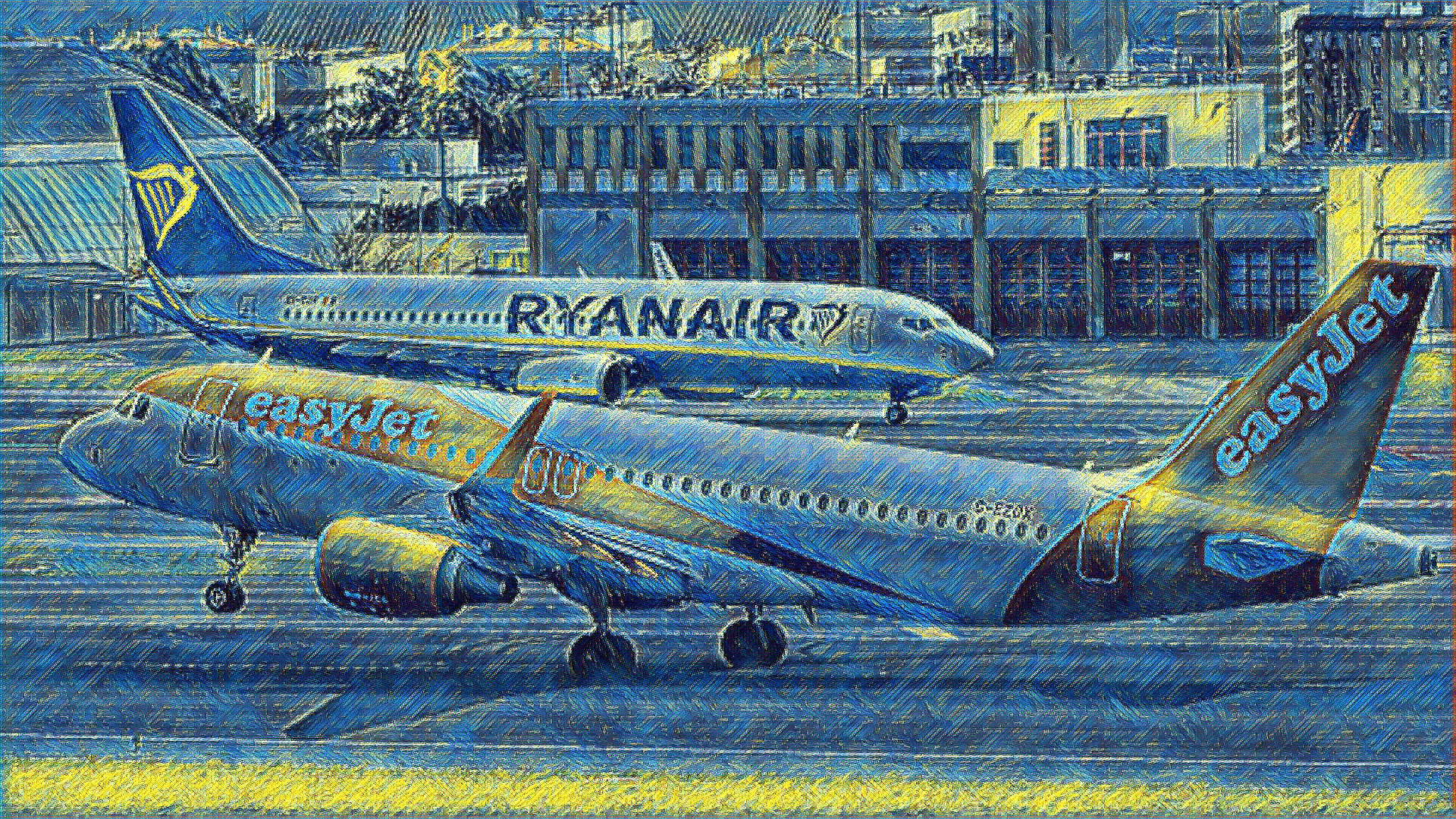
European airlines face a severe jet fuel crisis, with instability in the Strait of Hormuz exacerbating supply concerns and threatening summer travel plans. Analysts are assessing which carriers are best positioned to manage soaring fuel costs and operational disruptions.
Airline Vulnerability Assessment
Morningstar analysts have identified varying levels of risk among major European carriers based on their fuel hedging strategies and operational exposure. According to Loredana Muharremi, an equity analyst at Morningstar, the resilience of airlines depends on several factors:
- Stronger Positions: Carriers with better fuel hedging, robust margin buffers, and limited direct exposure to the Middle East are expected to fare best.
- Most Exposed: Wizz Air was flagged as the most vulnerable due to its low full-year hedge protection, higher fuel cost share, and weaker margin cushion.
Hedging Comparison (Full-Year Coverage):
- Ryanair: 80% ('High')
- IAG (owns British Airways, Iberia, etc.): 62%
- Lufthansa: 77%
- EasyJet: ~70%
- Wizz Air: ~55% ('Very Low')
Geopolitical Impact on Fuel Supply
The crisis is significantly linked to geopolitical instability, particularly in the Middle East.
- Strait of Hormuz: This critical shipping lane handles between 25% and 35% of the global jet fuel supply. Its volatility, stemming from regional hostilities, has kept oil prices elevated and supply restricted.
- Supply Warnings: The International Energy Agency previously warned that Europe could face a jet fuel shortage within six weeks.
Operational Challenges and Cost Pressures
Even for well-hedged carriers, the impact of high fuel prices remains substantial. Analysts point to several operational pressures:
- Fuel Price Volatility: Jet fuel prices have doubled compared to crude oil price increases, meaning even protected airlines are only partially shielded.
- Capacity Cuts: Major carriers have already begun slashing short-haul capacity for April and May. The 'big three' network carriers (Lufthansa, Air France-KLM, and IAG) have also reduced transatlantic capacity.
- Rerouting Issues: A major operational headache is the need to reroute flights, which can add one to three hours on Europe-Asia sectors. This increases fuel burn, reduces aircraft utilization, and complicates crew scheduling.
- Future Outlook: Experts warn that cost pressures will persist as airlines are unlikely to lock in new fuel hedges at current high prices amid ongoing uncertainty, leaving elevated costs built into the near future.