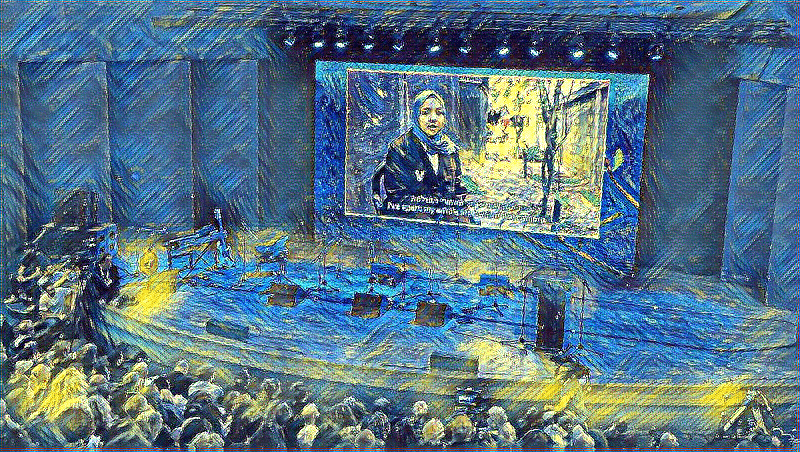
Israeli-Palestinian Grief Ceremony: Calls for Peace Amid Conflict
The 21st annual Israeli-Palestinian joint memorial ceremony convened in Tel Aviv, bringing together Israelis and Palestinians to mourn shared losses and advocate for peace. Speakers from both sides emphasized that shared grief transcends political divides, calling for dialogue over continued violence. The event, organized by grassroots groups, featured testimonies from victims of recent conflicts. However, the ceremony took place amid significant political tension, marked by low levels of public support for negotiations in recent surveys. Organizers faced security challenges and protests from right-wing activists, underscoring the deep divisions surrounding the conflict.
Ad slot
Amid ongoing conflict, Israelis and Palestinians gathered for the 21st annual joint memorial ceremony in Tel Aviv, emphasizing shared grief and a commitment to dialogue. The event, organized by grassroots groups, brought together attendees both in person and virtually to mourn losses and advocate for peace, despite heightened security concerns.
The Joint Memorial Ceremony
Held on the eve of Israel’s Memorial Day, the ceremony serves as an annual gathering for bereaved families from both sides of the protracted conflict. Organizers noted the necessity of secrecy regarding the venue due to fears of violence and harassment.
Participants: Approximately 1,000 Jewish and Palestinian Israelis attended the main gathering in Tel Aviv, with parallel ceremonies held in Jericho, West Bank.
Reach: Screenings were broadcast globally, reaching tens of thousands of viewers.
Language & Culture: The event featured performances in Hebrew and Arabic, including readings from poets Haim Nahman Bialik and Mahmoud Darwish, alongside bilingual songs.
Voices of Loss and Hope
Speakers shared personal testimonies highlighting the shared nature of suffering. Participants emphasized that the path forward requires dialogue over violence.
Ad slot
Palestinian Testimony: Khuloud Hoshieh, from Jenin, stated, “Pain does not belong to one mother or one people,” referencing family losses to Israeli military gunfire and detention.
Gaza Voices: Nahil Hanouna from Gaza expressed the desire for a life of “peace and freedom, to raise our children without fear.”
Israeli Resilience: Liora Eilon, a survivor of the October 7th attacks, stated, “This is a place that gives me the strength to believe that one day we will speak – and it will end.”
Political Context and Challenges
Despite the unifying message of reconciliation, the event remains a significant political flashpoint, occurring against a backdrop of deep division and violence.
Violence Statistics: The context includes the October 7th attacks, which killed over 1,200 Israelis, and Israel's subsequent war in Gaza, which resulted in over 72,000 Palestinian deaths. Settler violence in the West Bank has also increased.
Public Opinion: Surveys indicate deep divisions: only 26% of Jewish Israelis surveyed at Tel Aviv University support negotiations with the Palestinian Authority, and only 13% believe talks could lead to peace soon.
Security Concerns: Due to escalating tensions, organizers have been forced to hold the event at undisclosed locations under tight security.
Political Opposition
The ceremony has faced opposition from various political quarters:
Right-Wing Protests: Right-wing activists linked to Prime Minister Netanyahu’s government have been observed disrupting screenings with chants and loud music.
Political Condemnation: Some Likud lawmakers demanded the public broadcaster remove promotional ads, labeling the event a “provocation disguised as reconciliation.”