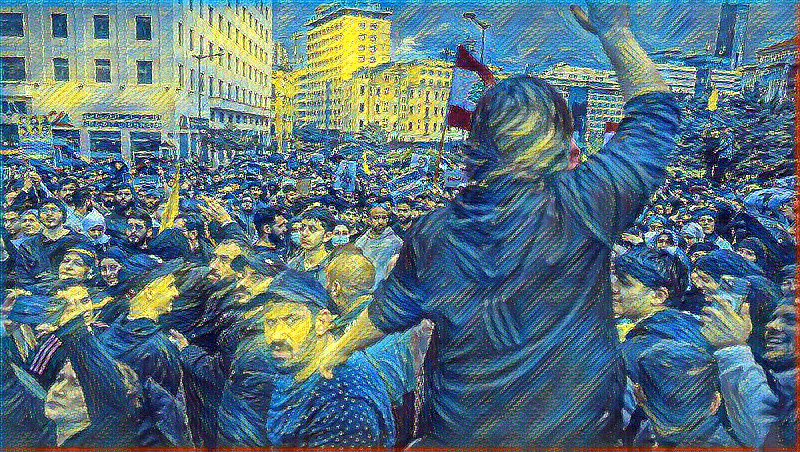
Israeli strikes in Lebanon have resulted in a sharp increase in casualties, raising concerns over the stability of the fragile US-Iran ceasefire.
Escalating Violence and Civilian Toll
The first days following the US-Iran ceasefire have seen deadly strikes across Lebanon. Lebanese authorities reported that on Wednesday, a massive wave of strikes killed over 300 people, including at least 30 children, and wounded more than 1,223. This marked one of the deadliest days for Lebanon since September 2024, with the national health ministry warning that the casualty toll is expected to climb further.
- Local Reports: Lebanese President Joseph Aoun reported that 13 members of the country's security forces were killed in Nabatieh, describing the incident as one of the largest Israeli assaults since the war began.
- International Concern: The International Rescue Committee (IRC) stated that the violence represented one of the heaviest days of conflict in years, noting that the World Health Organization (WHO) estimated three weeks' worth of trauma supplies were used in a single day due to mass casualties.
Dispute Over Ceasefire Scope
A major point of contention surrounds the applicability of the truce. While the ceasefire was established between the US and Iran, its coverage of Lebanon remains disputed.
- Claims of Violation: Iran and Pakistan, which mediated the truce, have publicly questioned the legality of the strikes, asserting that Lebanon was included within the scope of the ceasefire.
- Counter-Claims: Conversely, Israel and the United States maintain that Lebanon was not part of the initial agreement.
Conflicting Narratives on Targets
Both sides have presented conflicting accounts regarding the nature and location of the strikes.
- Israeli Defense Forces (IDF) Statement: The IDF acknowledged striking areas within the civilian population but claimed its actions were aimed at neutralizing at least 180 "Hezbollah terrorists." They also stated they took measures to mitigate harm to civilians.
- International Pressure: The escalation occurred despite reports that US President Donald Trump had previously urged Israeli Prime Minister Benjamin Netanyahu to adopt a more restrained approach in Lebanon.