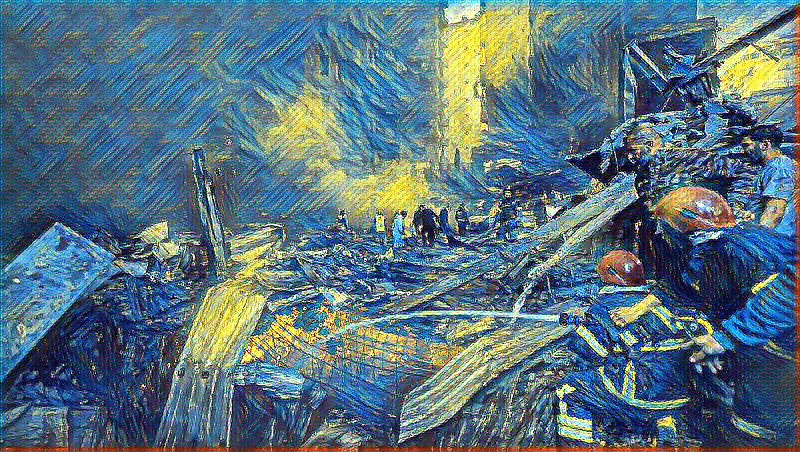
Israel Attacks Lebanon: Humanitarian Crisis Deepens Amid Strikes
Lebanon is experiencing a severe humanitarian crisis following weeks of intense military strikes by Israel. The conflict has resulted in significant civilian casualties, with reports indicating over 2,000 deaths, including numerous children and healthcare workers. Infrastructure, particularly in Beirut and southern Lebanon, has been heavily damaged, and hospitals are operating at critical capacity with dwindling supplies.
While Israel states its military actions are aimed at Hezbollah and related infrastructure, local residents maintain that civilians are the primary victims. The fighting has triggered massive internal displacement, forcing over one million people to leave their homes and seek shelter in temporary camps.
Despite ongoing diplomatic efforts, the conflict continues to destabilize the country, leaving the population grappling with the loss of homes, livelihoods, and stability.
Ad slot
Lebanon is grappling with a severe humanitarian crisis following weeks of intense Israeli military strikes, which have devastated infrastructure and overwhelmed medical services across the country.
Civilian Impact and Healthcare Crisis
The human cost of the conflict has been immense, with reports detailing widespread destruction in major urban centers like Beirut and southern towns. Hospitals are operating under extreme duress, struggling to cope with the influx of casualties.
Casualty Toll: The Lebanese Health Ministry reports that over 2,000 people have been killed in just six weeks, including at least 172 children and 91 healthcare workers.
Medical Strain: Hospitals, such as Rafik Hariri University Hospital, are described as being at full capacity, with staff warning that essential medical supplies are nearing depletion if the conflict continues.
Targeting Concerns: Local residents have reported that many injured individuals are civilians, women, and children, raising concerns about the scope of the attacks.
Conflict Dynamics and Military Objectives
The conflict involves multiple actors, with differing accounts regarding the primary targets of the military operations.
Ad slot
Israeli Stated Goals: Israel's Prime Minister Benjamin Netanyahu states that the military operations are aimed at securing the northern border region and targeting infrastructure belonging to Hezbollah, an Iran-backed militant group.
Local Perspectives: Conversely, local residents and human rights groups emphasize that civilians are bearing the brunt of the conflict, with strikes occurring in residential areas and commercial districts.
Political Tensions: The Lebanese government has attempted to exert pressure on Hezbollah, ordering the outlawing of its paramilitary wing and demanding the removal of non-state arms from Beirut.
Displacement and Humanitarian Fallout
The fighting has forced massive internal displacement, leaving large portions of the population without stable shelter or means of livelihood.
Scale of Displacement: More than 1 million people—approximately 20% of Lebanon’s population—have been displaced from their homes.
Shelter Conditions: Displaced families are sheltering in makeshift camps, schools, and stadiums in and around Beirut. Many others remain in tents lining the city's waterfront.
Isolation: The Israeli military has intensified ground offensives and destroyed vital bridges connecting southern Lebanon to the rest of the country, further isolating the region. Residents who remain in areas like Tyre report that the constant threat of aerial bombardment remains a daily reality, impacting livelihoods, including fishing.
International Response and Future Outlook
While diplomatic efforts are ongoing, the situation remains volatile. The continuous bombardment and destruction have left the country's infrastructure severely damaged, making recovery efforts extremely challenging.