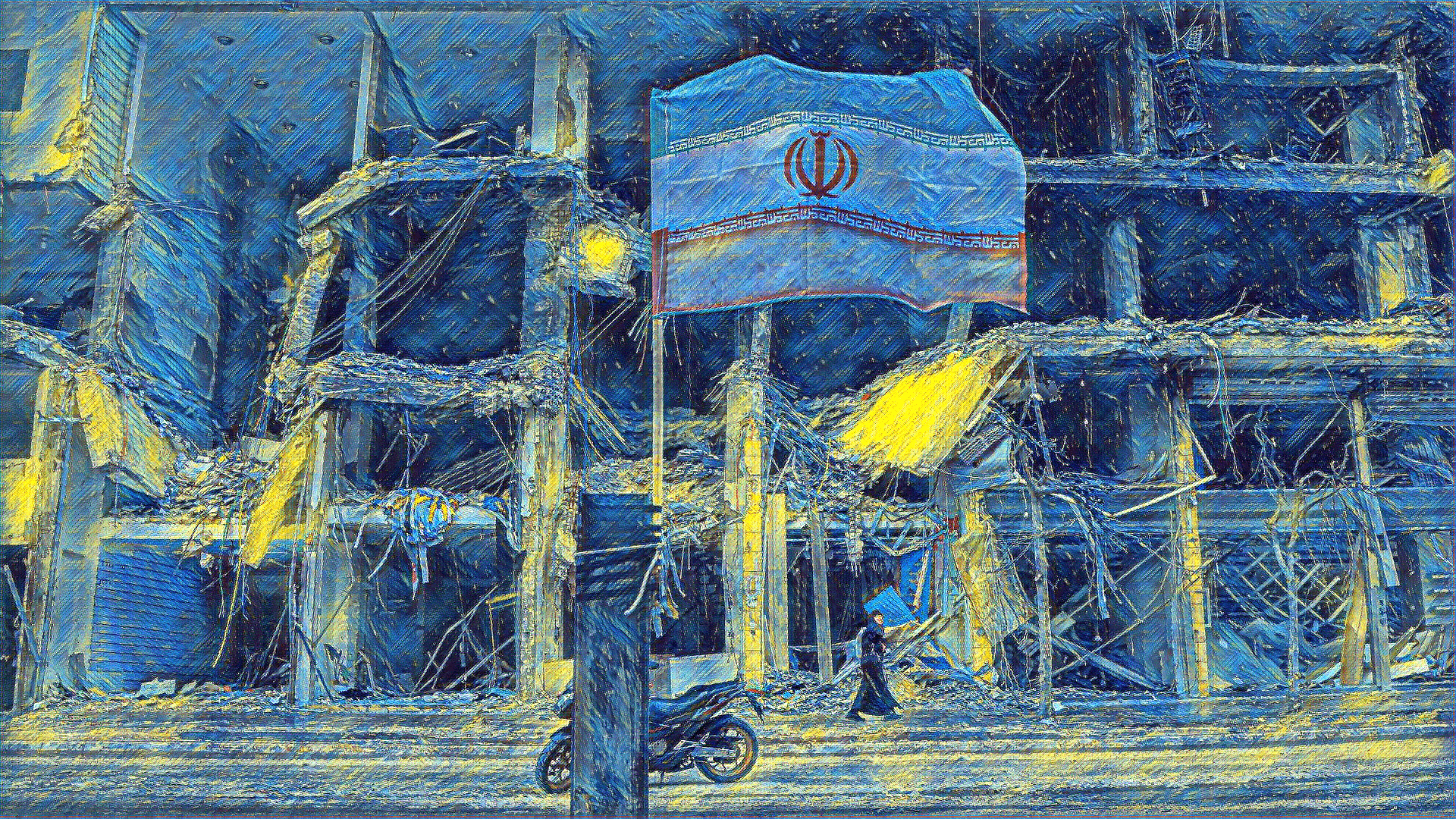
Analysts caution investors against overreacting to developments in the Iran conflict, noting that recent market surges following the Strait of Hormuz reopening were followed by a sharp reversal.
Market Reaction to Gulf Stability
Investor sentiment experienced a notable boost following reports of a temporary reopening of the Strait of Hormuz on Friday. This optimism was fueled by a preceding two-week ceasefire agreement between the U.S. and Iran on April 7th.
- Market Gains: The S&P 500 rose by 4.5% last week. The Nasdaq Composite saw a significant jump of 7.2% and recorded its 13th consecutive winning session on Friday, a streak not seen since 1992.
Reversal and Expert Warnings
However, global equity markets reversed course on Monday as traffic flow through the Strait of Hormuz once again ceased. With the current fragile ceasefire set to expire on Tuesday, strategists are advising caution.
Matt Gertken, Chief Geopolitical Strategist at BCA Research, warned that investors risk misinterpreting how conflict news translates into market movements. He pointed out that market participants may be treating the situation as if a single political figure has complete control over regional tensions.
- Geopolitical Assessment: Gertken noted that while investors have adapted to reacting to U.S. tariff announcements, they must recognize that the U.S. President does not have absolute control over Middle Eastern events.
- Current Risk: He stated that the current situation differs from previous scenarios, particularly given that Iran has faced attacks and possesses a higher tolerance for pressure.