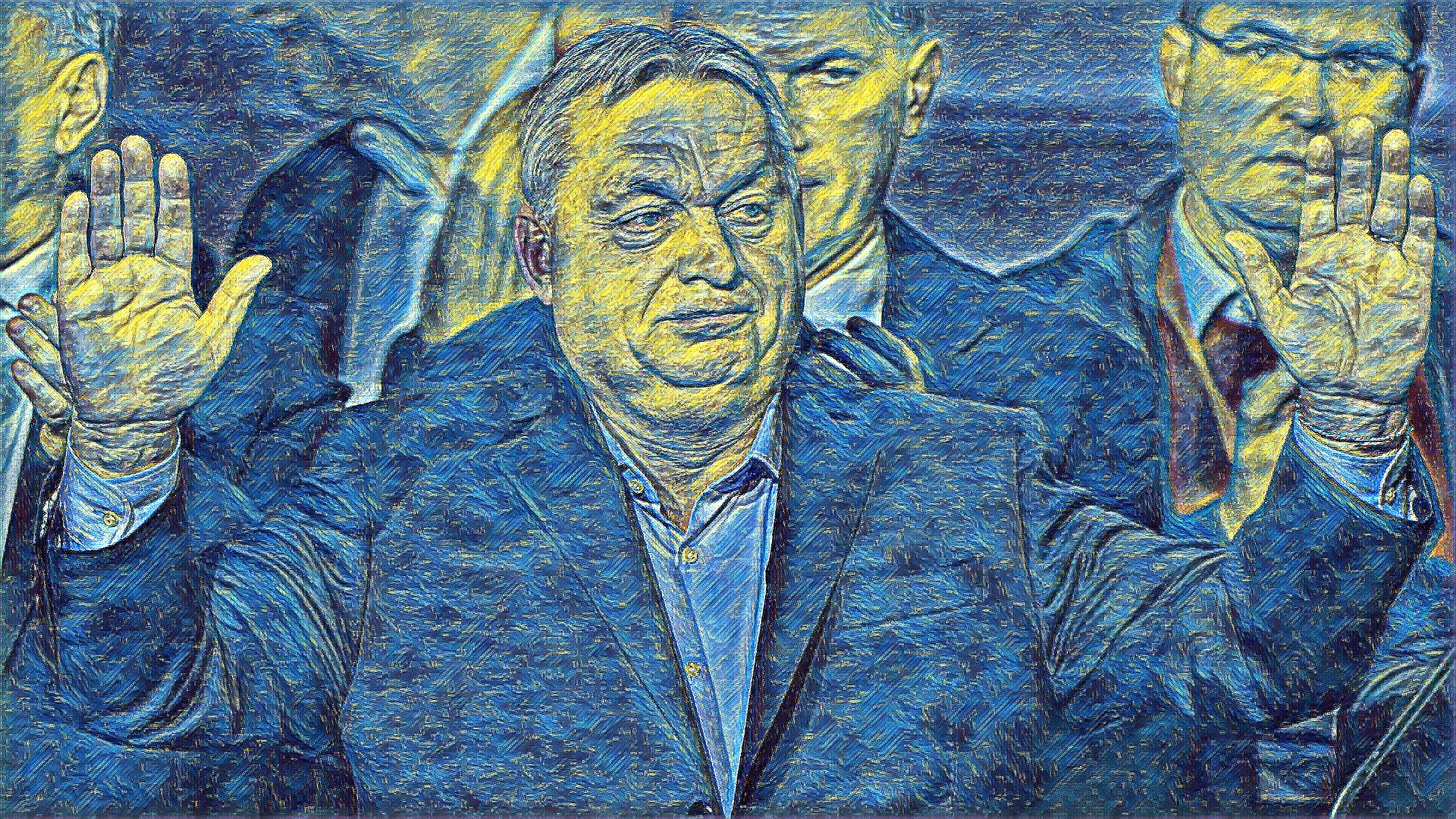
Hungary Election: Orbán's Defeat Hailed as EU Victory, But Challenges Remain
The election defeat of Hungary's conservative leader, Viktor Orbán, has been widely hailed by European Union officials as a major victory for liberal democracy and the EU. The new Prime Minister-elect, Péter Magyar, won a decisive victory, ending a period during which Orbán frequently blocked EU decisions and criticized the bloc. Geopolitically, the outcome is viewed as a setback for both Moscow and Washington, given Orbán's pro-Russian stance. Financially, the markets reacted positively, with the Hungarian forint hitting a four-year high. However, analysts caution that Hungary faces significant structural challenges, particularly its deep energy dependence on Russia and the complex process of fully aligning its political direction with the European mainstream.
Ad slot
The defeat of Hungary's conservative leader Viktor Orbán in the recent election has been widely celebrated by European Union officials as a significant victory for liberal democracy. The new Prime Minister-elect, Péter Magyar, is expected to lead Hungary through a period of reform, though analysts warn that deep structural challenges persist.
The Political Shift and EU Reaction
Following his decisive electoral loss, Viktor Orbán's tenure, marked by accusations of undermining the rule of law and blocking EU initiatives, has drawn international attention. Major EU figures, including leaders from Poland, France, and Germany, along with European Commission President Ursula von der Leyen, congratulated Péter Magyar on his victory.
Orbán's previous actions drew criticism for:
Regularly utilizing Hungary's veto power to obstruct EU decisions.
Fiercely criticizing the bloc and impeding financial aid to Ukraine.
Creating an "illiberal state" structure that critics argue violated the rule-of-law commitments made upon joining the EU.
Von der Leyen stated that the event signaled a path for the country to reclaim its European trajectory, asserting that "the union grows stronger."
Geopolitical Implications and Market Response
Ad slot
The election result is viewed by some analysts as a strategic blow to both Moscow and Washington, given Orbán's history of being an anti-EU voice who maintained strong ties with Russia.
Financial Markets: The markets reacted positively to the news, with the Hungarian forint reaching a four-year high and 10-year government bond yields dropping significantly.
Expert Analysis: One senior strategist noted that the winners of the election were "Hungary, Europe, Ukraine, the little guy," while the losers included figures associated with anti-EU stances.
While the White House has not issued a public comment, a Kremlin spokesperson stated that Moscow respected the election outcome and would seek "pragmatic ties" with the new leadership.
Lingering Challenges for Hungary
Despite the celebratory mood, experts caution against overestimating the speed or completeness of Hungary's reintegration into the European mainstream. The country faces several complex, long-term issues:
Energy Dependence: Hungary maintains a deep and persistent reliance on Russian energy supplies (oil and gas), a relationship that will require a difficult process of renegotiation.
Political Direction: While Magyar's party has secured a super-majority, analysts question how far he will deviate from the constitutional changes and political structures established under Orbán.
Structural Factors: Experts point out that broader structural factors—such as US-EU trade exposure, security concerns, and the ongoing conflict in Ukraine—mean that the political direction of Hungary will remain contested and complex over time.