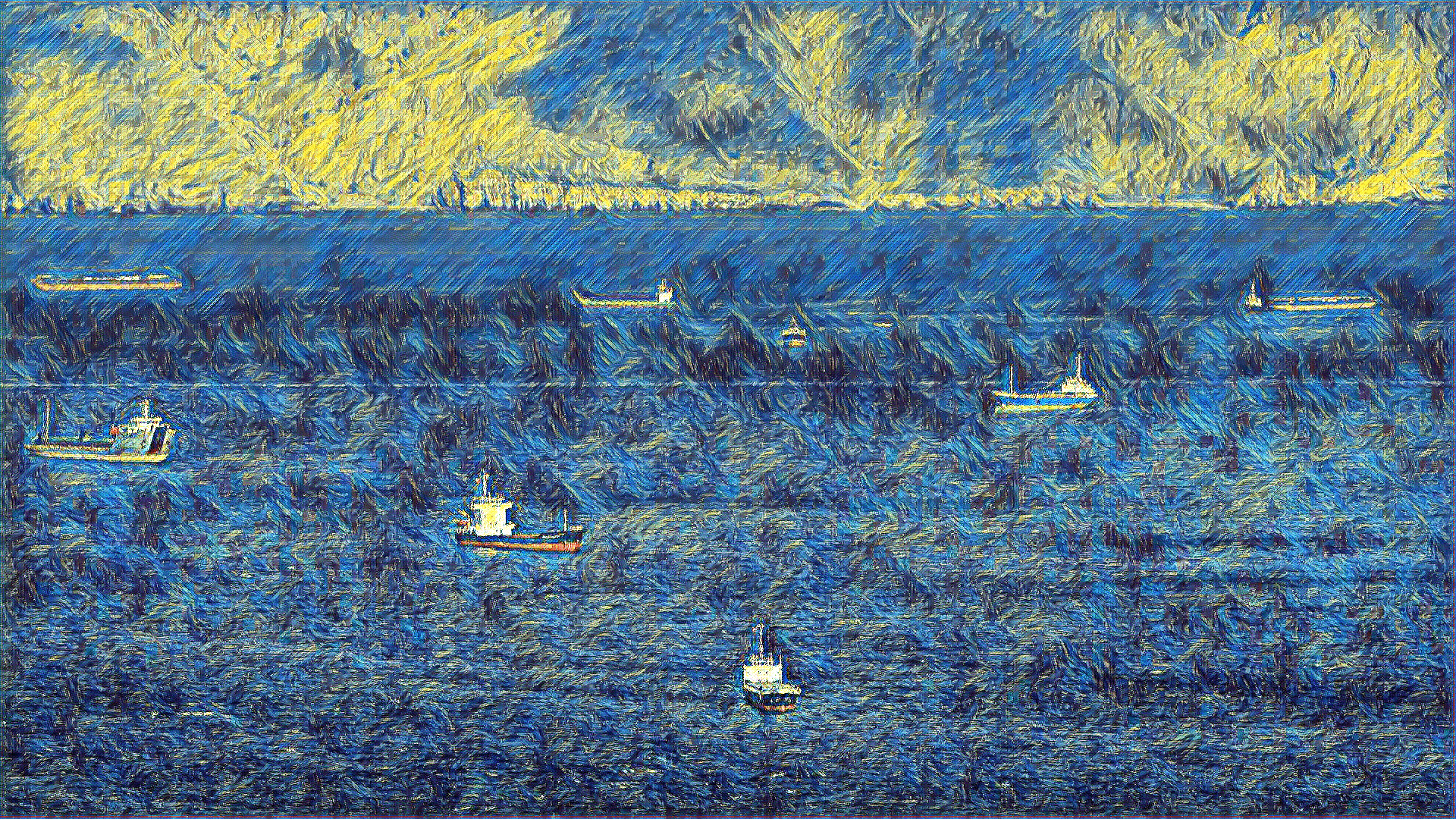
Despite a ceasefire extension, maritime traffic through the Strait of Hormuz remains significantly curtailed as Iran continues to assert control over shipping lanes. The region faces heightened security risks due to ongoing confrontations between Iranian forces and international maritime presence.
Current Maritime Activity and Blockade Status
- Low Traffic Levels: Ship traffic through the Strait of Hormuz was reported as very light on Wednesday, the first day following President Donald Trump's extension of the ceasefire with Iran.
- Daily Movements: Data indicated that on Monday, about a dozen commercial vessels transited the strait. On Wednesday, tracking data showed at least six ships passed through, including three oil tankers.
- US Blockade: The United States maintains its blockade on Tehran's ports and vessels, which contributes to the overall low volume of trade.
Escalating Incidents and Iranian Actions
Security concerns remain high, marked by recent confrontations involving Iranian forces:
- Ship Seizures: The Iranian Revolutionary Guard reported on Wednesday that it seized two container ships attempting to cross the strait without authorization.
- Attacks Reported: The UK Maritime Trade Operations Centre (UKMTO) reported specific incidents:
- A cargo ship was fired upon on Wednesday and subsequently stopped in the water.
- On Tuesday, a gunboat belonging to the Revolutionary Guard fired on a container ship, causing heavy damage to its bridge.
- Recent Confrontations: The week saw multiple escalations:
- Iranian forces fired on a tanker and a cargo ship in the sea lane on Saturday, shortly after declaring the lane open to commercial traffic. These vessels were reportedly Indian.
- On Sunday, the U.S. Navy fired on an Iranian cargo ship in the Gulf of Oman, leading Marines to board and take custody of the vessel, which the U.S. stated was attempting to evade the blockade.
Global Impact and Future Outlook
These disruptions have severe implications for global energy supplies:
- Supply Disruption: Previous attacks by Iranian forces on oil tankers led to a sharp decline in traffic, triggering what has been described as a major global oil supply disruption.
- Pre-War Volume: Before the conflict, the strait handled over 100 ships daily, and approximately 20% of the world's crude supplies passed through it.
- Recovery Timeline: According to Rystad Energy, it is projected that oil flows will take until July to reach 90% of pre-war levels, with an additional two months required for the processed barrels to reach global refineries.