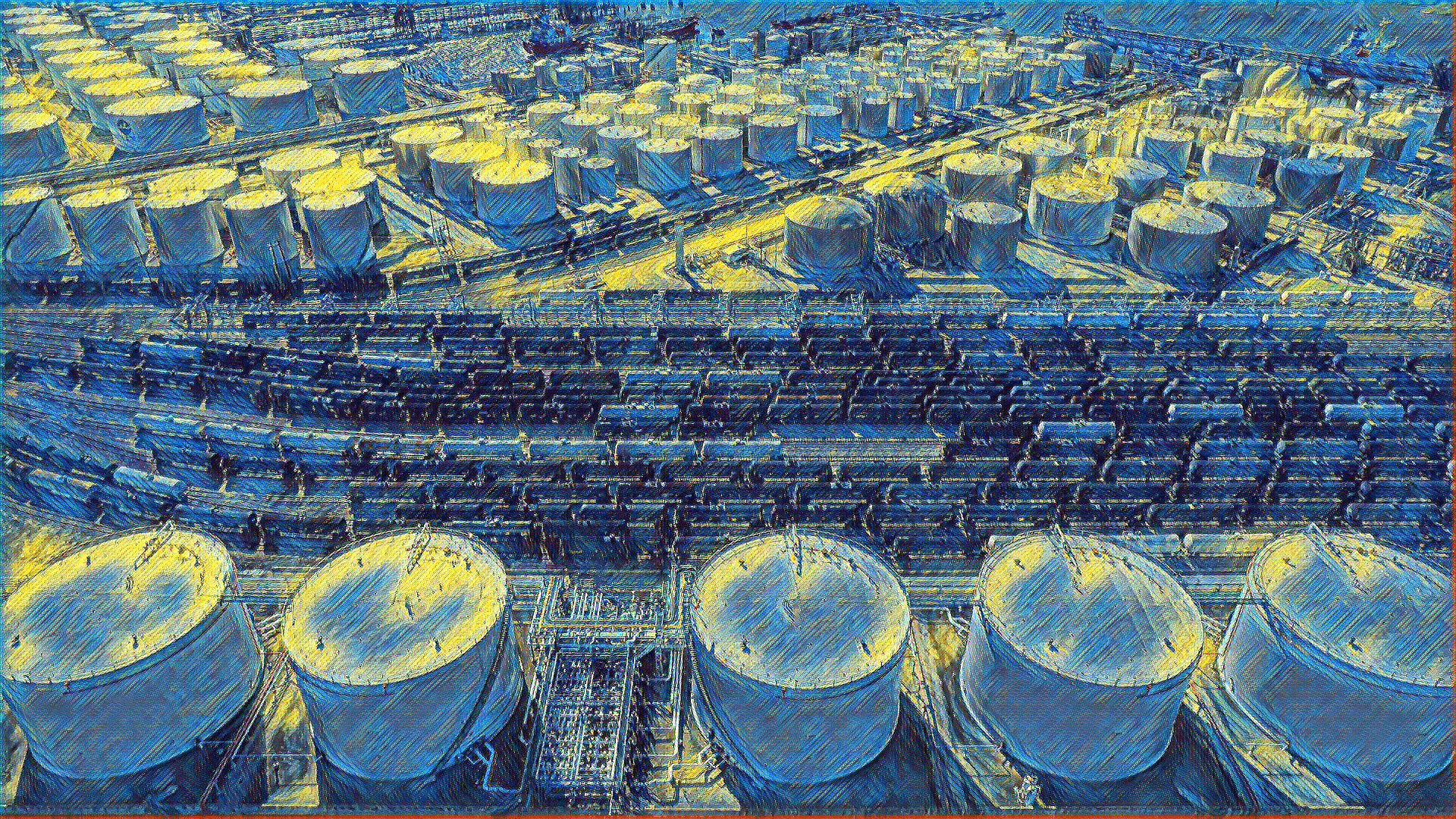
Crude oil prices surged toward the $100 mark on Thursday, driven by persistent geopolitical tensions and the continued low traffic flow through the vital Strait of Hormuz.
Market Price Movements
International crude benchmarks saw significant gains, reflecting market anxiety over supply disruptions. Key price movements included:
- Brent Crude: Surged nearly 5% for June delivery, closing at $99.39 per barrel.
- WTI Crude: Rose almost 4% for May delivery, settling at $94.69 per barrel.
Geopolitical Flashpoint: The Strait of Hormuz
The primary driver of the price surge remains the instability in the Persian Gulf. The Strait of Hormuz, a critical global shipping lane, continues to experience extremely low tanker traffic.
This low volume is attributed to escalating tensions between the United States and Iran. The situation is characterized by:
- The U.S. Navy maintaining a blockade of Iran's coast.
- Tehran issuing threats of retaliation against vessels operating in the Persian Gulf.
Diplomatic Outlook and Ceasefire Status
Diplomatic efforts to de-escalate tensions remain uncertain, despite recent discussions.
- Upcoming Talks: President Donald Trump indicated that the U.S. and Iran might hold a second round of negotiations over the weekend, though no official date has been confirmed.
- Previous Sticking Point: The inclusion of the Israel-Lebanon 10-day ceasefire was noted as a key sticking point during previous failed talks between the U.S. and Iran in Pakistan.
- Expert Consensus: Several European and Gulf Arab leaders suggest that achieving a comprehensive U.S.-Iran deal could take up to six months.
- Truce Expiration: The current two-week truce between the two nations is set to expire on Tuesday, April 21. This truce was agreed upon in exchange for Iran opening the strait to traffic, though Tehran has sought to maintain control over shipping in the area.