Hoda Afshar's Portraits: Life Amidst Hormuz's Winds
Photographer Hoda Afshar documents the unique cultural life of Iran's Qeshm and Hormuz islands, focusing on the deep relationship between its people and the environment. Her work explores local beliefs, such as the dangerous supernatural wind known as *zār*, and the cultural practices designed to ward off its effects. Historically, the islands have been crucial trade crossroads, leading to a rich, layered culture. Currently, the region is grappling with severe geopolitical tensions involving military blockades and conflict. Despite the modern threats, Afshar's art emphasizes the enduring nature of the place's historical memory and resilience.
Ad slot
Photographer Hoda Afshar captures the unique cultural tapestry of Iran's Qeshm and Hormuz islands, focusing on the deep connection between its people, landscape, and local beliefs regarding supernatural winds.
The Art of Capturing the Invisible
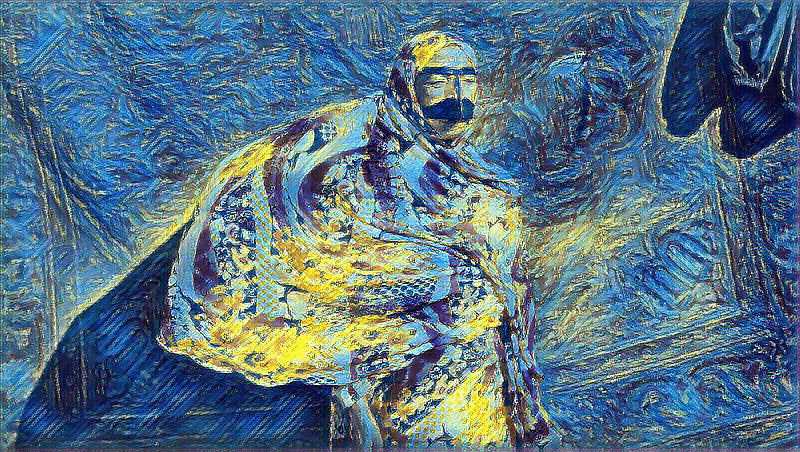
Afshar’s work centers on the interplay between visible reality and unseen forces. The photographs often depict moments of natural interaction, such as Salimeh, whose vivid clothing echoes the mineral-rich sands of the islands, caught mid-motion as the wind lifts her veil.
The Photographic Moment: Afshar recalls capturing the image of Salimeh as an almost accidental moment, utilizing a medium-format analog camera to freeze the arrival of the wind.
Subject Matter: Since 2015, Afshar has documented the land, its residents, and the esoteric forces shaping life on the southern islands of Hormuz and Qeshm.
Beliefs Surrounding the Wind (Zār)
The local belief system is deeply interwoven with the environment, particularly concerning the winds. This belief system dictates that different winds carry varying powers:
Harmful Winds: A specific wind known as zār is believed to be capable of entering the body and causing illness or distress.
Cultural Adaptation: In one portrait, Salimeh wears a mask—painted with thick eyebrows and a mustache—which is believed to deceive spirits, as women are considered more vulnerable to the zār.
Ad slot
Historical Context and Cultural Resilience
The islands have historically been vital crossroads, attracting empires, trade routes, and diverse cultures from East Africa, the Arabian Peninsula, and the Indian subcontinent. This history remains embedded in the culture.
Cultural Exchange: The region has seen continuous movement of merchants, soldiers, and migrants, bringing diverse languages and customs.
Identity: Afshar notes that many residents have African descent, an identity that is sometimes obscured by existing social hierarchies.
Shamanism: Within the zār belief, shamans of African descent are believed to be the only ones capable of negotiating with the possessing winds to restore balance.
Modern Geopolitical Tension
These culturally rich islands are currently situated at the epicenter of a major geopolitical crisis. The region faces escalating tensions involving the US, Israel, and Iran.
Threats: The waters around Hormuz and Qeshm are threatened by warship activity, an ongoing US blockade, and Iranian mines.
Impact on Life: The communities, historically reliant on trade and migration, are now at the center of a global crisis. Afshar reports on the visible effects, including strikes on vital infrastructure, such as a desalination plant.
Enduring Memory
Despite the contemporary threats of military conflict, Afshar’s work emphasizes the enduring nature of the place's memory. She concludes that the historical memory of the location persists, stating, “The historical memory of the place, every time something violent happens, it stays. Forever.”