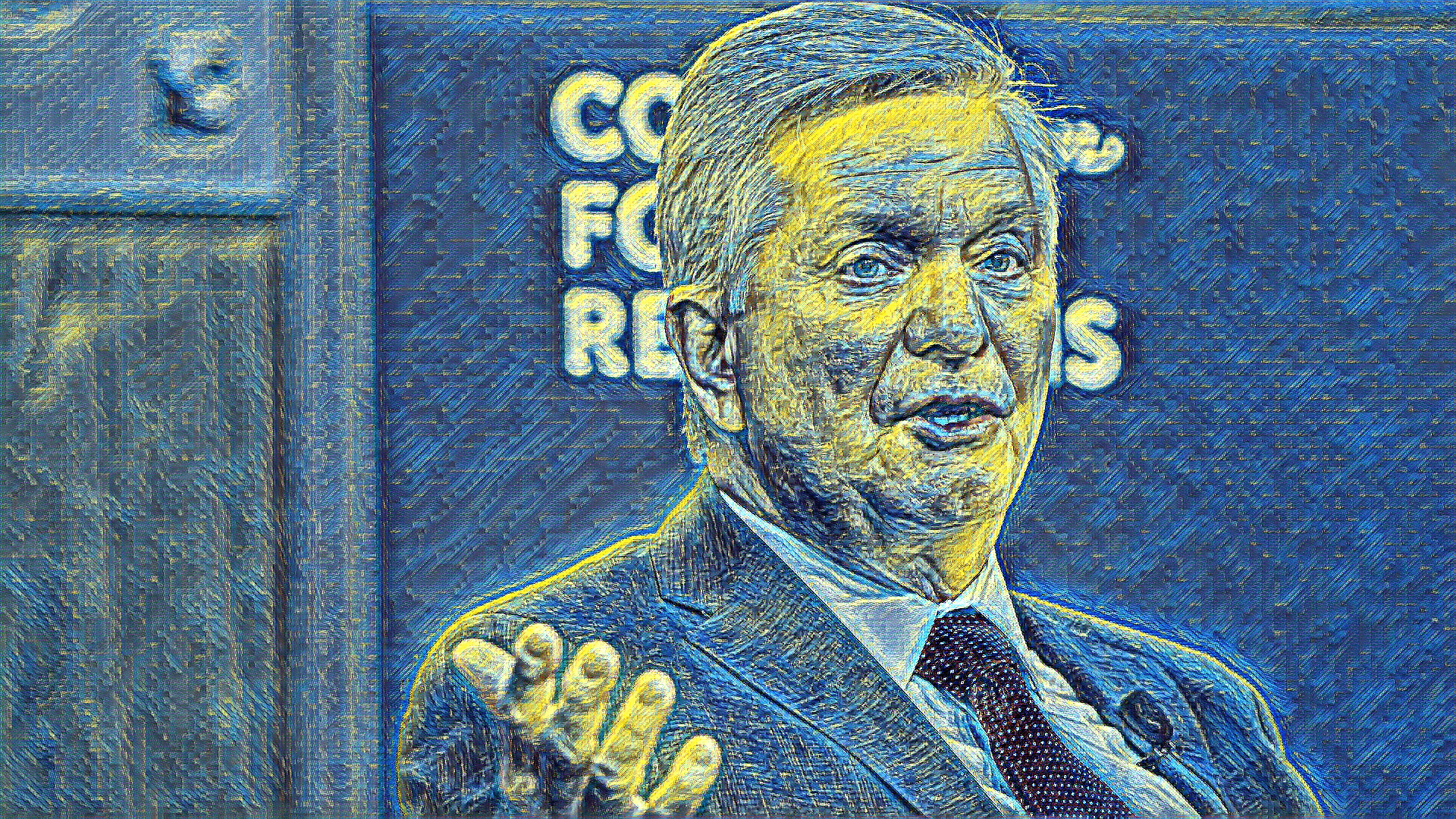
Federal Reserve Governor Christopher Waller stated that a combination of persistent inflation risks, potential geopolitical shocks like the Iran conflict, and a sluggish labor market may force the Fed to maintain current interest rates for an extended period.
Current Economic Headwinds
During a speech, Waller highlighted the complexity facing policymakers due to conflicting economic signals. He noted that the central bank must balance risks across its dual mandate (price stability and maximum employment).
- Policy Stance: Waller indicated that if inflation risks outweigh labor market concerns, the Fed might maintain the current policy rate.
- Market Expectation: This assessment aligns with broader market expectations that the Federal Reserve will hold rates steady throughout the current year amid an uncertain economic outlook.
Labor Market Assessment
Waller's comments marked a shift from his recent focus on hiring levels. While he previously expressed concern over low hiring, he now noted a potential stabilization point.
- Break-Even Rate: He suggested evidence points toward the break-even rate—the hiring pace needed to sustain the unemployment rate—being near zero.
- Employer Caution: Despite this, Waller remains cautious, observing that employers are navigating a delicate balance. He warned that this vulnerability leaves businesses susceptible to economic shocks that could trigger significant job reductions.
Inflation and Geopolitical Risks
Regarding inflation, Waller expressed skepticism compared to some other forecasters who view the impact of the Iran conflict as temporary.
- Cumulative Shocks: He warned that the current series of price shocks, following boosts from import tariffs, could lead to more enduring inflationary increases, drawing a parallel to the price shocks experienced during the pandemic.
- Policy Implication: This concern suggests that the inflationary pressures might be more persistent than initially assumed by some market participants.