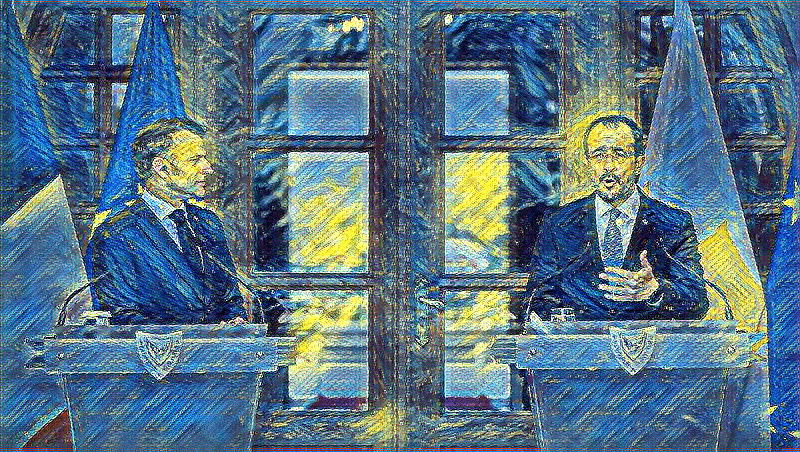
The European Union approved a substantial €90 billion ($106 billion) loan package for Ukraine, concluding months of political deadlock following the resumption of Russian oil flows to Hungary and Slovakia. This breakthrough also allowed the bloc to advance new sanctions against Russia.
Key Developments for Ukraine Aid
- Loan Approval: The EU approved the final element needed to disburse the €90 billion loan, intended to support Ukraine's economy and military needs for two years.
- Political Breakthrough: The approval followed the resumption of Russian oil deliveries through the Druzhba pipeline to Hungary and Slovakia, resolving a major point of contention.
- Official Statements: Cypriot Finance Minister Makis Keravnos confirmed that loan disbursements would begin shortly, providing vital support for Ukraine's budget.
Pipeline Breakthrough and Geopolitical Context
The political green light for the aid package was directly linked to the resumption of oil transport.
- Resumption of Flow: Hungarian energy group MOL confirmed that crude oil deliveries via the Druzhba pipeline system resumed to Hungary and Slovakia after a nearly three-month hiatus.
- Dispute Background: The deadlock stemmed from the halt of Russian oil deliveries in January, which Ukrainian officials attributed to Russian drone attacks. Both Hungary and Slovakia confirmed that deliveries have since resumed.
- Energy Dependence: While most EU members oppose Russian oil imports, Hungary and Slovakia remain dependent on Russia for their energy needs.