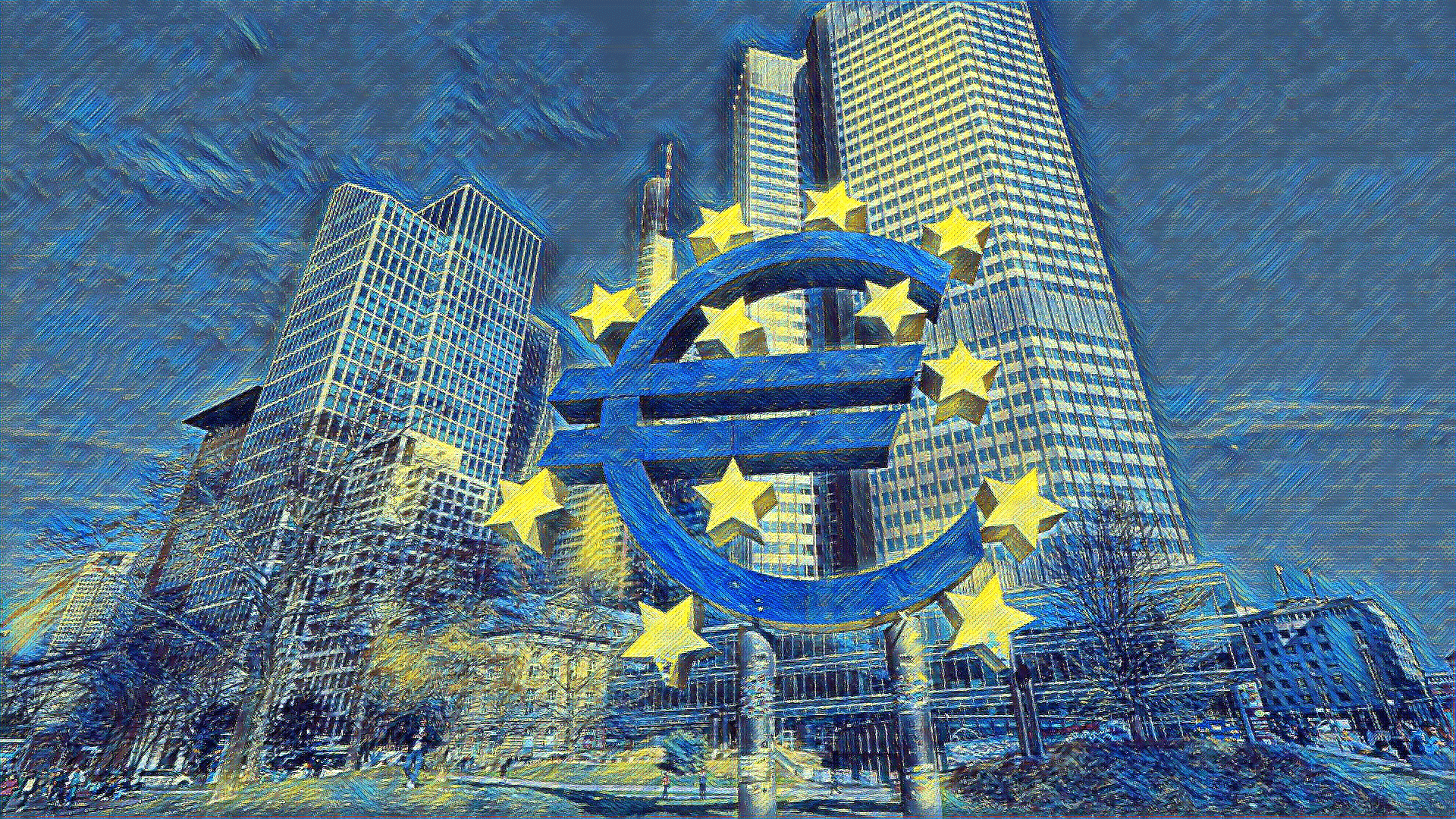
ECB Rates: Geopolitical Shocks Force 'Meeting-to-Meeting' Policy Approach
European Central Bank (ECB) policymakers are adopting a highly cautious 'meeting-to-meeting' approach regarding future interest rate decisions. This indecision stems from a confluence of global economic shocks, including volatile oil prices and geopolitical uncertainties surrounding critical waterways like the Strait of Hormuz. Market expectations currently predict a rate hold in April, followed by a potential hike in June, with a long-term target of at least 2.5% by year-end. Experts, including Joachim Nagel and Martins Kazaks, emphasized that the combination of past crises (COVID-19, Ukraine war) and current risks requires central banks to monitor data closely for potential 'layer cake' effects. Consequently, officials are prioritizing vigilance over immediate, definitive policy commitments.
Ad slot
The European Central Bank (ECB) is maintaining a highly cautious and undecided stance on future interest rates, adopting a 'meeting-to-meeting' approach due to persistent global economic shocks. Policymakers are closely monitoring volatile energy prices and geopolitical hotspots, such as the Strait of Hormuz, before committing to a clear monetary policy path.
Current Market Expectations and Policy Stance
With the next ECB meeting approaching, financial markets are currently pricing in a pattern of rate adjustments. According to LSEG data, traders anticipate:
A hold on the key interest rate at the April 29-30 meeting.
A potential rate hike scheduled for June.
A long-term expectation that the ECB key rate will reach at least 2.5% by the end of the year.
The 'Meeting-to-Meeting' Caution
Experts are emphasizing that the current global environment necessitates extreme vigilance, leading officials to delay definitive policy decisions. Joachim Nagel, President of Germany's Bundesbank, highlighted the complexity of the situation, stating that the ECB is currently 'between our baseline and our adverse scenario.'
Ad slot
Key points from the policy discussion include:
Geopolitical Risk: Questions surrounding the reopening of the Strait of Hormuz were cited as a major source of uncertainty, which Nagel labeled the 'heel of the world economic system.'
Decision-Making Process: Nagel stressed that the 'meeting-to-meeting approach' is the correct and necessary method for monetary policy in such a complicated period.
Inflation Watch: While inflation is expected to hover near the 2% target, officials warned that any unexpected rise in prices could force a policy reaction.
Navigating 'Layer Cake' Shocks
Martins Kazaks, a Latvian central banker on the ECB Governing Council, elaborated on the heightened caution among central bankers. He noted that the economic shocks experienced during 2020 (COVID-19) and 2022 (Russia's invasion of Ukraine) have made central bankers exceptionally vigilant.
Kazaks described the current risk environment as a 'layer cake' of shocks, meaning:
Shocks are stacking on top of each other.
They can interact and trigger 'non-linearities' (second-round effects).
Central bankers must remain watchful and ready to act quickly if these non-linearities materialize.
This cautious approach contrasts with previous statements, such as ECB President Christine Lagarde's readiness to hike rates even if inflation overshoot was temporary, underscoring the ongoing need for measured policy adjustments.