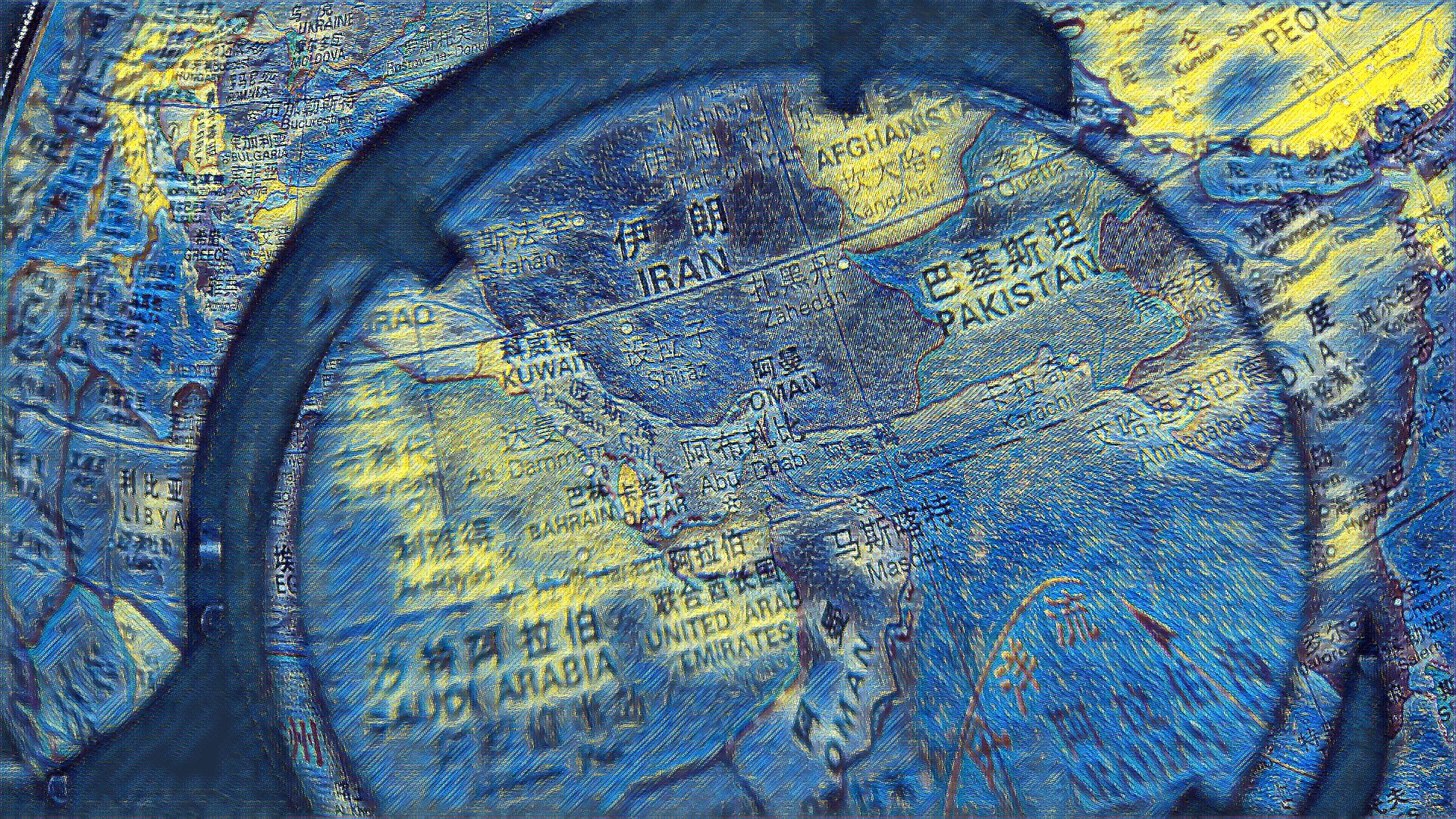
China Slams US Blockade of Strait of Hormuz as 'Dangerous'
China has sharply criticized the United States for implementing a blockade on Iranian ports within the Strait of Hormuz, labeling the action as "dangerous and irresponsible." The U.S. initiated the blockade to pressure Iran into reopening the vital shipping channel, following the collapse of recent peace talks. Beijing warned that this escalation risks destabilizing the region's already fragile ceasefire. China, which is a major buyer of Iranian crude, stressed that only a comprehensive ceasefire and focus on dialogue can ease tensions. Despite the geopolitical conflict, global oil prices declined on Tuesday, falling below $100 a barrel, amid reports of potential diplomatic progress.
Ad slot
China has strongly condemned the United States' targeted blockade of Iranian ports in the Strait of Hormuz, warning that the action risks undermining the region's already fragile ceasefire. The blockade, which began Monday, marks a sharp escalation in tensions despite recent diplomatic efforts to stabilize the waterway.
China's Diplomatic Condemnation
The Chinese Ministry of Foreign Affairs stated that the targeted blockade of this vital shipping channel, coupled with increased U.S. military deployment, is a "dangerous and irresponsible act." Beijing emphasized that the situation requires de-escalation through dialogue.
Only a comprehensive ceasefire can effectively ease the regional tensions.
China is committed to making efforts to help restore peace and stability in the Middle East.
Beijing dismissed reports suggesting China was supplying weapons to the Islamic Republic as "completely made up."
China urged all involved parties to:
Abide by existing ceasefire arrangements.
Focus on dialogue and peace talks.
Take practical steps to restore normal traffic in the strait as soon as possible.
Ad slot
Background of the Blockade
The United States initiated the blockade on Monday, preventing ships from entering and exiting Iranian ports. This measure was taken in an effort to pressure Iran into reopening the critical waterway, following the failure of peace talks held over the weekend in Islamabad.
China, which has historically maintained strong ties with Tehran, has a significant economic interest in the Strait remaining open, as it is the largest buyer of Iranian crude oil. The blockade directly impacts this supply chain and the broader international trade flow.
Market Reaction
Despite the heightened geopolitical tensions and the escalation of the conflict, global oil prices saw a retreat on Tuesday. Reports of potential diplomatic resolutions contributed to the dip:
Brent Crude: The international benchmark fell by approximately 1% in early trading, settling near $98.44 per barrel.
WTI Crude: Prices for U.S. West Texas Intermediate (May delivery) dropped 2.6%, reaching $96.48 per barrel.