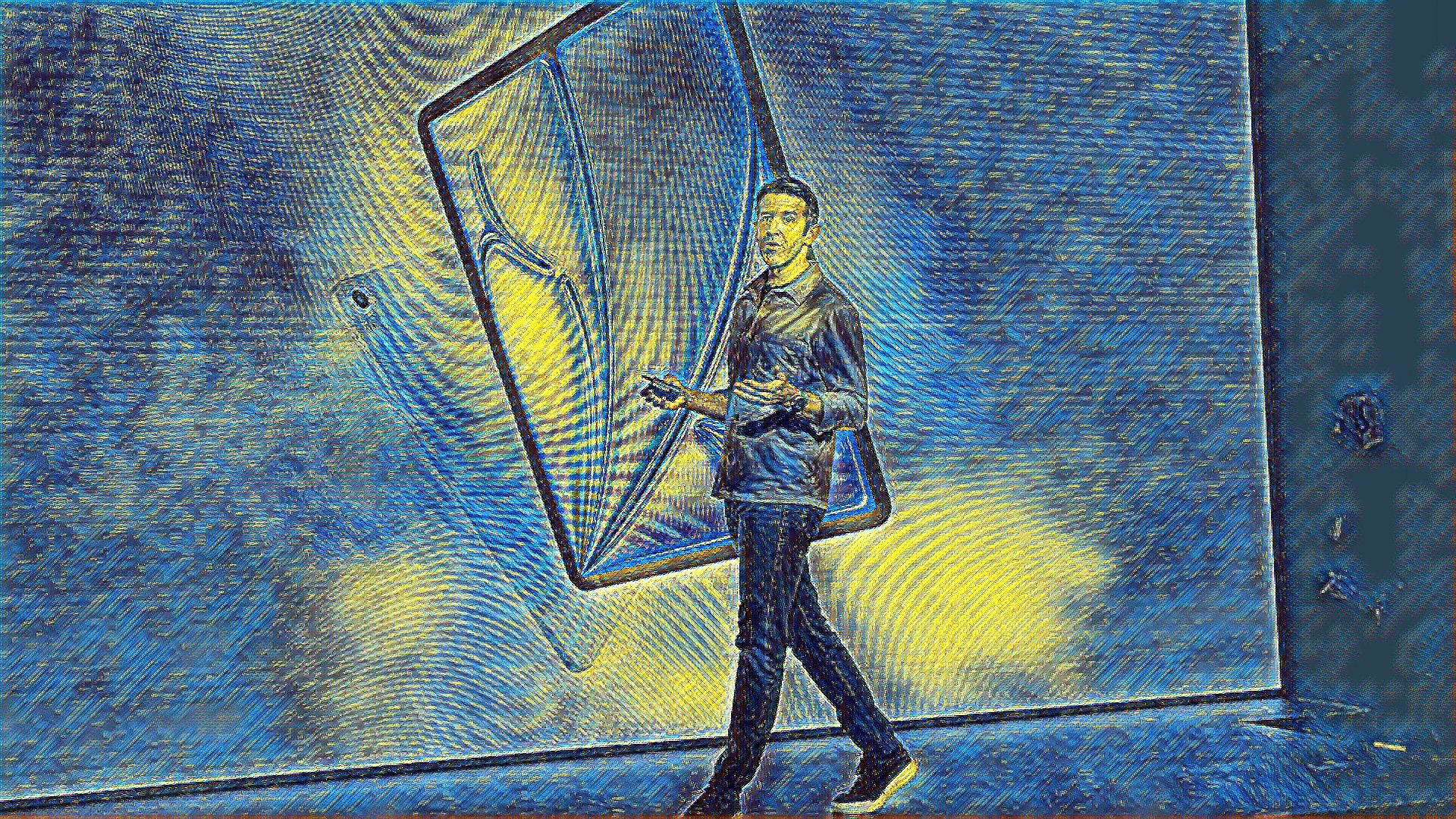
Apple is undergoing a major leadership transition, with Tim Cook expected to step down as CEO this year, handing the reins to Senior Vice President of Hardware Engineering, John Ternus, in September. Analysts suggest this move signals confidence in Apple's internal management structure rather than a crisis regarding AI development. The transition highlights a strategic shift in hardware innovation, moving emphasis from external design aesthetics to optimizing internal capabilities and efficiency. Furthermore, Cook's continued role in global policy suggests the company will maintain its strong focus on its established supply chain and international relationships. Overall, the appointments point toward a reinforcement of Apple's integrated product strategy.
Ad slot
Apple is set for a significant leadership transition as CEO Tim Cook is expected to step down this year, with Senior Vice President of Hardware Engineering John Ternus slated to take over the CEO role in September. This move signals a strategic focus shift within the tech giant, emphasizing internal capabilities over external design flair.
The Leadership Transition
Outgoing CEO: Tim Cook, who has overseen a market capitalization increase of over 20-fold since taking the role from Steve Jobs in 2011.
Incoming CEO: John Ternus, Senior Vice President of Hardware Engineering.
Cook's New Role: Cook is expected to retain a role focusing on executive chairmanship, specifically engaging with global policymakers.
Implications of Cook's Continued Policy Role
Industry analysts view Cook's continued involvement in international policy as crucial. His historical strength lay in combining Cupertino's innovation with mastering external forces, including supply chain perfection and international diplomacy. This allows Ternus to concentrate on core innovation processes without immediate political distractions.
Strategic Focus: Hardware and AI
Ad slot
The appointment suggests Apple is not facing an 'AI-induced identity crisis.' Instead, the company appears to be reinforcing its existing operational structure.
AI Strategy: The choice of an internal successor, rather than shifting software leadership, indicates a commitment to its current functional management and integrated product strategy.
Hardware Evolution: There is a noticeable shift in how Apple showcases hardware innovation. The focus is moving away from purely external design changes toward optimizing internal capabilities and efficiency.
Deep Dive into Hardware Innovation
Historically, hardware innovation was heavily driven by external aesthetics, notably during the Jony Ive era. However, the trajectory has changed:
Past Blueprint: Early designs like the iMac G5 (2004) and MacBook Air (2008) established a pattern where the exterior remained relatively consistent while the internal technology advanced profoundly.
Current Reinforcement: With Johny Srouji now leading overall hardware development—a role where he previously contributed significantly to Apple's silicon capabilities—this emphasis on internal capability enhancement is expected to be reinforced.
International Strategy Outlook
Experts suggest that while geopolitical shifts will necessitate adjustments, a major overhaul of Apple's international strategy is unlikely to be directly attributable to Ternus's assumption of the CEO title. The complexity and long timelines associated with supply chain negotiations and government partnerships make such rapid pivots difficult.