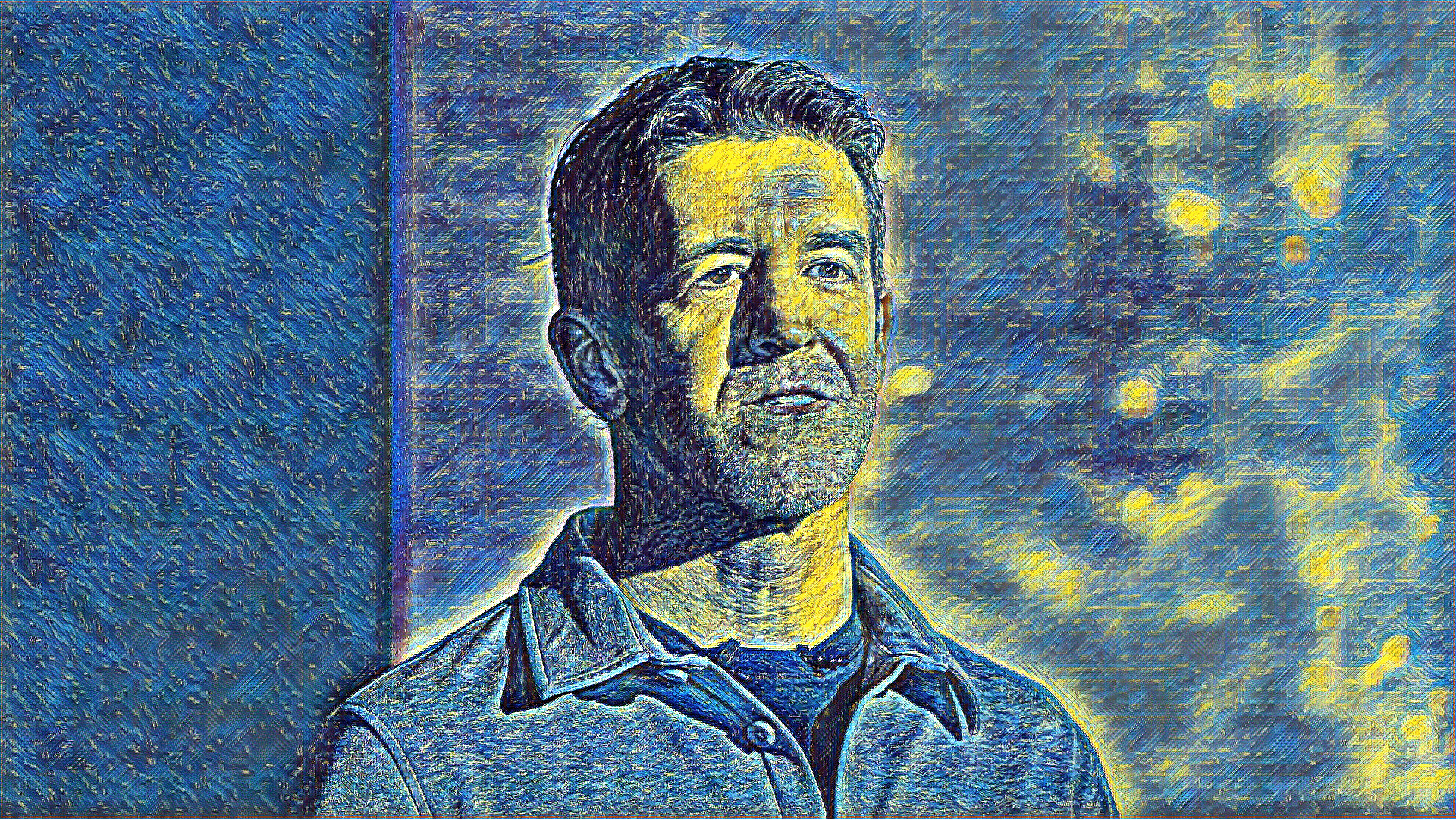
As Tim Cook's tenure ends, incoming CEO John Ternus faces the critical task of defining Apple's AI strategy amid intense market pressure. The company must navigate its AI positioning against tech giants while leveraging its hardware strengths.
Leadership Transition at Apple
Apple has announced that Tim Cook's 15-year tenure as CEO will conclude on September 1st. John Ternus, Apple's long-time hardware engineering senior vice president, will assume the role.
- Ternus becomes the second leader of Apple since Steve Jobs departed in 2011.
- The transition occurs as Apple faces complex operational challenges, including geopolitical supply chain issues and rising memory costs driven by AI demand.
The Core Challenge: AI Strategy
While Apple maintains dominance in consumer devices, its approach to Artificial Intelligence has drawn scrutiny, especially when compared to major competitors.
- Competitor Spending: Rivals like Microsoft, Google, Amazon, and Meta are committing hundreds of billions of dollars annually in capital expenditure (capex) to build data centers and acquire advanced AI chips.
- Apple's Approach: Apple has historically avoided large capital outlays for foundational AI model development. Instead, the company has relied on external partnerships, notably integrating Google's Gemini to power features, including an anticipated Siri upgrade.
Apple Intelligence and Market Reception
Apple launched 'Apple Intelligence' in 2024, introducing features such as image generation, text rewriting, and summarizing notifications, alongside an integration with OpenAI's ChatGPT.
- Consumer reception to these AI features has been mixed.
- Despite this, Apple continues to sell high volumes of iPhones, and users have access to various AI tools from third-party developers.
- Currently, the most popular free iOS apps include ChatGPT and Anthropic's Claude, with Gemini and Meta AI ranking lower.
Future Focus: On-Device Processing
Apple's strategy appears to pivot toward deeply integrating AI capabilities directly into its hardware, a strength it has cultivated since 2017.
- The company is betting that significant AI workloads will run directly on silicon housed within the phone.
- Industry analysts suggest that appointing a hardware leader like Ternus signals Apple's belief that the future of AI lies in tightly integrated, on-device ecosystems rather than purely software-driven solutions.