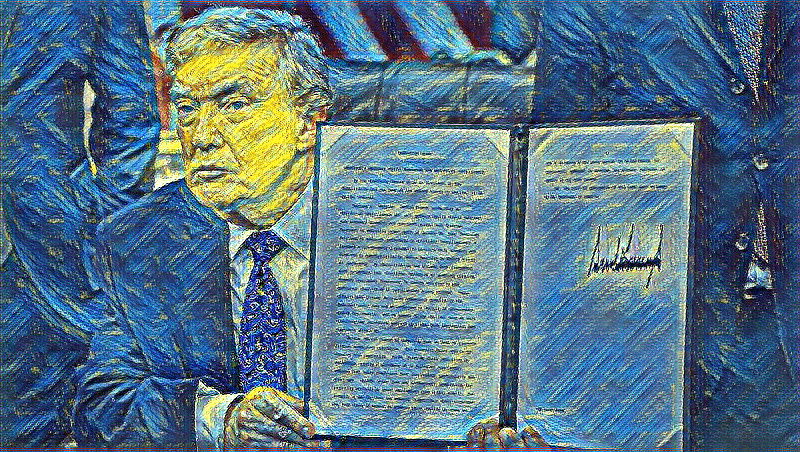
The White House has released a long-awaited national artificial intelligence legislative framework, seeking to centralize AI regulation and prevent states from enacting their own laws under a light-touch, sector-specific approach.
Background and Executive Order
- The framework originates from an executive order signed by President Donald Trump in December, which prohibited state-level AI regulations.
- It covers broad AI concerns, including data center operations, AI-enabled scams, and content moderation.
Key Proposals for Congress
The administration outlined six objectives for legislative action:
- Equip parents with enhanced tools to manage children's digital activities.
- Accelerate data center permitting to enable on-site power generation.
- Strengthen legal frameworks to combat AI-facilitated fraud and scams.
- Balance intellectual property rights with the need for AI model training using real-world data.
- Prohibit the U.S. government from coercing tech providers to censor content based on partisan agendas.
- Mandate sector-specific regulation through existing agencies rather than a new federal body.
Industry and Advocacy Reactions
- Supporters, such as tech venture capital firms, argue the framework fosters innovation and provides regulatory clarity for U.S. competitiveness in the global AI race.
- Critics, including cybersecurity groups, contend it lacks accountability mechanisms for AI harms and echoes the deregulated social media era, with some calling it insufficient.
Legislative and Political Context
- The White House aims to work with Congress to codify the framework, but passage before the November midterm elections faces significant hurdles due to political divisions.
- In the absence of federal law, several states have enacted AI laws targeting deepfakes and discriminatory hiring, which the administration seeks to preempt.